10 Free No Deposit
Ten pounds of credit with no deposit attached is the smallest meaningful offer in the British-facing market, and it is also the one most often misread. The credit is real; so are the forty-times wagering, the win cap and the identity checks waiting at the withdrawal. This page models a £10 credit through its full journey, from registration to the point where the balance either converts to cash or expires, and prices every stage on stated assumptions.
Credit bonuses of this size usually carry wagering around forty times the bonus amount, a win cap in the low tens of pounds and a short expiry window, though each operator sets its own terms and the figures change often. Every number on this page is a modelled assumption about the category, not a quote from any named promotion. Verify the live terms on the operator’s own page before registering, because a ten-pound headline can hide a five-pound ceiling or a three-day clock.
Terms change often. Verify the current terms on the operator’s own page before depositing. Scores are editorial.
8.2/10See offer terms
8.0/10See offer terms
7.8/10See offer terms
7.5/10See offer terms
What ten pounds of credit actually buys
A £10 no deposit credit is not ten pounds of money. It is ten pounds of play credits governed by a terms page, and the difference between those two descriptions is the whole subject of this page. The credit arrives in your account after registration, sometimes automatically and sometimes after an email confirmation or a code. You cannot withdraw it directly. You can stake it, and the terms dictate what happens to whatever balance survives the staking.
The first surprise for most readers is how far ten pounds actually goes at small stakes. At 10p a spin on a video slot, the credit funds a hundred spins before any winnings top it back up. At £1 a spin it funds ten, and a single cold streak ends the session. Because the credit is the operator’s money, there is no deposit at risk, which is the genuine attraction of the category: the worst case is your time. That framing is accurate as far as it goes, and it is the reason these offers exist. The operator buys registrations; the player buys entertainment at no cash cost. Both sides know the trade.
The second surprise is the shape of the wagering requirement relative to the credit size. At forty times the bonus, a £10 credit asks for £400 of staking before anything converts. That requirement is identical in structure to the one attached to a £100 matched deposit, but the balance supporting it is a tenth the size, so the probability of the journey completing intact is far lower. On a large bonus with a big balance, variance has room to work; a player can survive a bad stretch and still finish. On a £10 credit, a bad stretch of twenty spins can wipe the balance out entirely. Small credit offers are therefore not scaled-down versions of large ones. They are a different product with a different expected outcome, and the sections below cost that outcome honestly.
Third, the cap. Offers of this kind frequently limit convertible winnings to somewhere between £10 and £50, with a cap in that range being the ordinary case at this end of the market rather than the exception. The cap matters less here than on larger offers, because a £10 credit rarely produces a balance above the cap in the first place, but it matters at the margin: a player whose wagering finishes with £60 convertible and a £25 ceiling loses the difference, and the difference is the best outcome the offer could have produced. Reading the cap before the clock starts is the single highest-value two minutes in this category.
Finally, the expiry. Small credit bonuses tend to run on clocks of three to fourteen days, sometimes measured from registration and sometimes from the moment the credit lands. A requirement of £400 in staking completed inside a seven-day window demands roughly £57 of wagering per day, which is feasible at low stakes on a quiet week and hopeless on a busy one. Time, not money, is the resource these offers consume, and readers who register on a whim usually discover the clock only when the balance vanishes.
The wagering journey, modelled in full
The calculator below is set to the standard matched-deposit case used across this site: a £100 deposit at a 100% match, forty-times wagering and a £500 cap. Those defaults exist for comparability, so a figure read here means the same thing it means on the hub pages. For the small credit offers this page is about, mentally substitute a £10 zero-deposit bonus and a £25 cap; the mechanics are identical, only the scale changes, and the section after the calculator works that scale explicitly.
Bonus calculator
Bonus £100, staking requirement £4,000.
Model assumptions: the multiplier applies to the bonus amount, a house edge in line with popular titles is charged against the staking, and the cap truncates convertible winnings. Adjust the inputs to price your own case.
The model runs four steps. It computes the bonus from the deposit and match. It multiplies the bonus by the wagering multiplier to find the staking requirement. It applies a house edge assumption to the staking to find the expected cost of the journey. It applies the cap and shows what remains. On the defaults the bonus is £100, the requirement is £4,000, and at a 4% edge the expected cost of clearing is £160. On the £10 credit case the requirement scales to £400, and the expected cost of clearing it at the same edge is £16 against a credit of £10.
That last figure deserves a slow read. The expected cost of the staking journey exceeds the value of the credit itself, which means that in expected terms the offer is worth less than nothing at the moment of registration. This is not a scandal; it is the price of the entertainment. A cinema ticket is also an expenditure with no return, and nobody audits the multiplexer’s terms. The honest description of a £10 no deposit credit is: a few hours of play at no cash cost, with a small probability of a capped cash withdrawal at the end. Readers who register for the play have bought it fairly. Readers who register expecting money have misread the ticket, and no review page that leads with the headline number will correct that misreading, which is why this one leads with the arithmetic instead.
The line chart below shows the modelled journey of the £10 credit across its wagering at an assumed 96% return to player. The credit starts at £10, wears down to roughly £6 around the halfway mark of the requirement and sits near £4 at the end on those assumptions, before variance decides what actually converts. The chart is a model, not a prediction of any session. Individual runs swing far above and below it, and a fortunate early hit can carry a balance well above the trend line into conversion territory, which is precisely the outcome the cap then limits.
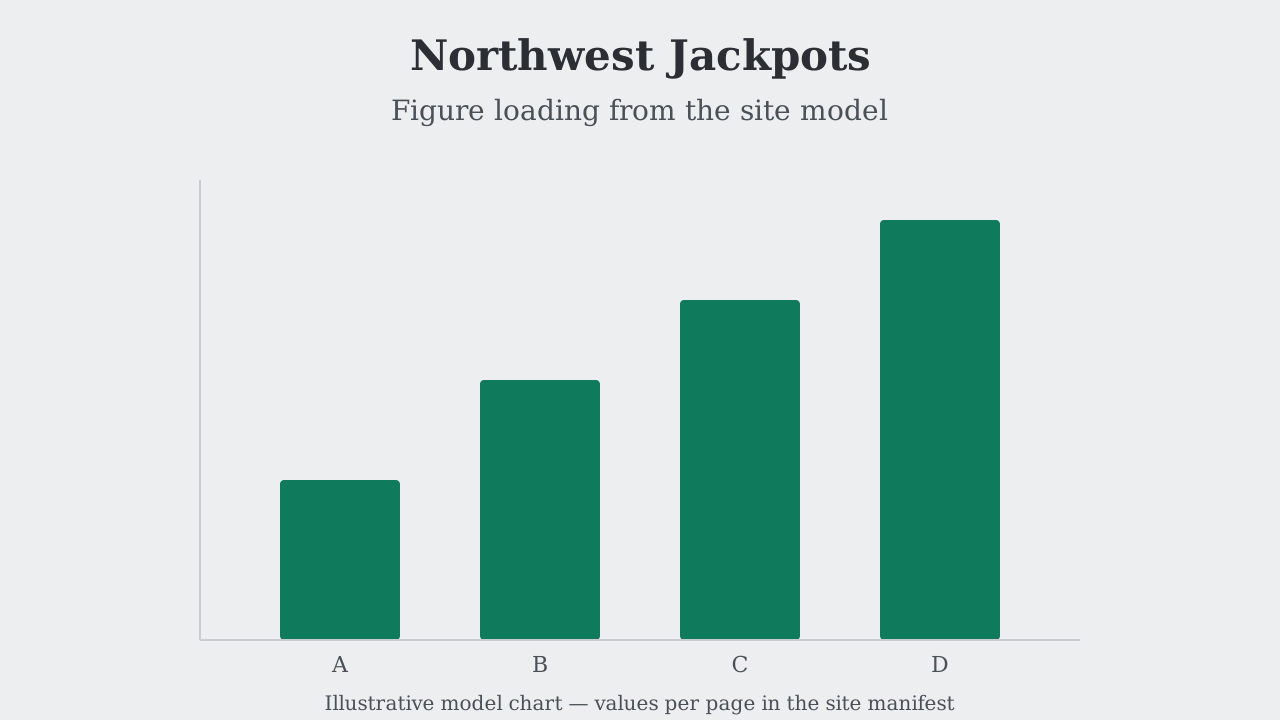
Three variables move the end point of that line more than anything else. The first is the house edge of the games chosen: clearing on a 3% edge title rather than a 5% one saves roughly £8 of expected cost on a £400 requirement, which is most of the credit’s face value. The second is stake size. Small stakes track the trend line; large stakes gamble the whole journey on a handful of spins, and with a £10 balance a handful is all there is. The third is the contribution weighting: slots normally count at 100%, table games at a fraction or zero, so a player planning to clear on roulette needs ten times the printed requirement in table staking, which a £10 balance cannot fund. Choose slots, choose a moderate edge, keep stakes small. That trio is the entire strategy space for this category, and everything beyond it is luck.
The four terms that decide a small credit offer
Large bonus terms pages carry a dozen clauses worth checking. Small credit offers concentrate the damage into four, and a reader who runs this short checklist can evaluate any such offer in the time it takes to drink a cup of tea.
The first term is the wagering base and multiplier. “40x bonus” on a £10 credit is £400 of staking; “40x winnings” applies the multiplier to whatever the spins or stakes produce, which is a different and usually lighter test. Read which base the operator uses, because the same headline behaves completely differently under each. The second term is the maximum conversion or win cap. A £10 credit with a £50 ceiling has twice the upside of the same credit with a £25 ceiling, and the caps at this end of the market vary exactly that much. The cap is usually printed in the bonus terms under a heading mentioning maximum withdrawal or conversion, and it is the term most likely to disappoint at the end of a good run.
The third term is the expiry, counted from registration or from credit issuance. Seven days is common; three days exists; fourteen is generous. Work out the daily staking the window implies at your preferred stake size before registering, not after. The fourth term is the verification and withdrawal condition. Most operators in this category hold no withdrawal until identity checks complete, and some require a small deposit before any cashout at all, a condition that quietly converts a “no deposit” offer into a deposit one. If a withdrawal trigger reads “a minimum deposit of £10 must have been made”, the offer is no longer free, and better to know that before the account exists.
A fifth clause appears often enough to name: excluded payment methods. Some operators void the credit if the first deposit, when one eventually comes, was made through a specific e-wallet. It does not affect the credit itself, but it affects the account’s long-term bonus eligibility, and readers who came for the free credit and plan to stay should read it. None of these clauses is hidden in a legal sense; they sit on the operator’s promotions or terms page in plain text. The failure is always one of reading, and the checklist exists to make the reading take four minutes instead of four days.
Where these offers sit in the wider market
The table below sets category-typical ranges across a spread of operators serving the British market and the offshore market alongside it. Every figure is a range compiled from operator-published terms at the time of writing, not a quote of any single promotion, and no row should be read as the named site’s stated offer on the day you read this. The UKGC rows are the British baseline shown for comparison; none of them can be claimed at the offshore offers. Check live terms before registering anywhere.
| Brand | Licence label | Welcome offer range | Wagering | Minimum deposit | Payout window | Payment rails |
|---|---|---|---|---|---|---|
| 32Red | UKGC | Matched credit to £150 band | Commonly 30–50x | £10 | 1–3 days | Debit card, PayPal, bank transfer |
| Virgin Games | UKGC | Low-value spin bundle | Often under 15x | £10 | 1–2 days | Debit card, PayPal, bank transfer |
| PlayOJO | UKGC | Spin bundle, no wagering style | None on spin wins | £10 | 1–2 days | Debit card, PayPal, Trustly, bank transfer |
| All British Casino | UKGC | Match to £100 band | Commonly 30–35x | £10 | 1–2 days | Debit card, Trustly, bank transfer |
| Mr Vegas | UKGC | Match plus spin bundle | Commonly 20–40x | £10 | 1–2 days | Debit card, e-wallets, bank transfer |
| NetBet | UKGC | Match or spin combination | Commonly 30–50x | £10 | 1–3 days | Debit card, PayPal, e-wallets, bank transfer |
| Pink Casino | UKGC | Spin bundle with light terms | Often under 20x | £10 | 1–3 days | Debit card, PayPal, bank transfer |
| Casumo | UKGC | Match plus spins package | Commonly 30–40x | £10 | 1–2 days | Debit card, e-wallets, bank transfer |
| Kinghills | Offshore | Multi-tier match package | Commonly 35–45x | £20 | 0–2 days | Debit card, e-wallets, crypto |
| NineWin | Offshore | Match package with spins | Commonly 35–45x | £20 | 0–2 days | Debit card, e-wallets, crypto |
| Rolletto | Offshore | Multi-tier match to £2,000 range | Commonly 40–45x | £20 | 0–2 days | Debit card, e-wallets, crypto, bank transfer |
| Slots Temple | Offshore | Social-style credit and spins offers | Varies by promotion | £20 | 0–2 days | Debit card, e-wallets, crypto |
Read down the licence column first. The UKGC rows describe a market where no-deposit style offers are rare and modest when they appear, where spin bundles tend to carry light or no wagering on winnings, where the entry deposit sits at £10 and where withdrawals clear inside two to three days on the rails most players use. The offshore rows describe a market with larger headline matches, heavier wagering, higher entry floors and faster rails paired with thinner recourse. For a reader whose interest is precisely a small free credit, the licensed half of the table is usually the better hunting ground, because light-wagering spin bundles convert to real cash far more often than heavy-wagering credit does, even when the headline value looks smaller.
Read down the wagering column second. The single most useful division in the table is not licensed versus offshore but light versus heavy wagering. A spin bundle with under 20x on winnings returns more expected cash than a £20 credit at 45x, on any reasonable set of assumptions, because the requirement scales against the balance. The comparison rows exist to make that trade visible before the registration form does.
The licence question, stated plainly
Applied specifically to small no deposit offers, the licence trade has a particular shape. Because there is no deposit, the financial exposure of claiming an offshore credit is zero at the start, which tempts readers to treat the licence question as irrelevant here. It is not. A credit offer’s whole purpose is to lead into a withdrawal, and a withdrawal from an offshore site is where the differences bite: verification demands set unilaterally, processing windows set by policy rather than licence condition, and no independent adjudicator if the operator decides the wagering was not completed to its satisfaction. A dispute over a £15 cashout that never arrives is a small sum but an instructive experience, and it is an experience the licensed market’s dispute route largely prevents.
There is also the GAMSTOP boundary, which matters more in this category than most. Readers who have self-excluded through GAMSTOP and then register offshore for a free credit have stepped outside the exclusion they set, because the scheme covers licensed British operators only. This is a fact about the tool’s boundary, stated here so that it is understood before it matters, not a judgement on anyone. Anyone relying on self-exclusion should treat the boundary itself as the decision, ahead of any offer on any page.
Finally, the rail question intersects the licence question. Some British payment providers decline gambling transactions with unlicensed operators, which is why the offshore rows of the table lean on e-wallets and crypto, and why a reader planning to fund later with a debit card should check that the rail works in both directions before the credit is claimed. The rail list is itself a signal worth reading.
Verification, payments and getting paid
The route from a ten-pound credit to a ten-pound withdrawal runs through verification, and verification is where most small-offer journeys stall. Operators in this category typically verify identity at the first withdrawal rather than at registration, so the offer feels frictionless right up to the moment it matters. Expect a request for photo identification, proof of address dated recently and sometimes evidence of the payment method, even when no payment method has been used. Uploading documents before the withdrawal request, rather than after, is the single most effective step a claimant can take: it converts the slowest payout of the account into an ordinary one.
Withdrawal mechanics at this tier carry quirks worth naming. Many operators impose a minimum withdrawal of £10 to £20, which a small capped win may only just clear; a £12 convertible balance against a £20 minimum withdrawal is a real trap, and checking the minimum before the clock starts is part of the four-minute checklist. Some operators require a deposit before the first cashout regardless of balance, as noted earlier. Payment rails themselves set the pace: e-wallets clear fastest once the operator releases the request, debit cards run at a day or two and bank transfer sits behind both, and the withdrawal generally returns by the rail that funded any deposit. A reader who has never deposited should expect the operator to propose a rail for the outbound payment, which is another reason identity documents prepared early help.
The expiry clock interacts with verification in a way worth spelling out. If the credit’s wagering window is seven days and the operator’s verification queue takes three, a claimant who waits until conversion to submit documents may find the balance frozen in review while the clock on nothing in particular runs out. Nothing is lost in that case, since a frozen balance awaiting checks is not the same as an expired bonus, but the delay is real and entirely avoidable. The general principle of this section is that the paperwork, not the play, is the long pole in the tent, and an hour spent on documents at registration buys back days at the end.
One last note on expectations. Conversion rates for heavy-wagering small credits are low, and that is not a complaint about any operator; it is the arithmetic of the model in the section above. The rational posture is to claim with documents ready, play at small stakes on moderate-edge slots, treat any completed withdrawal as a favourable variance outcome and move on either way. Readers who want a materially better conversion probability should look at light-wagering spin bundles instead, which the sibling pages on this site cost on the same assumptions.
How to claim a small credit offer sensibly
Everything above compresses into a short procedure, and the procedure is the practical output of this page. Run it before registering anywhere.
First, read the four decisive terms: the wagering base and multiplier, the conversion cap, the expiry window and the withdrawal trigger. If the trigger requires a deposit, decide whether the offer still interests you on those terms, because it is no longer the product the headline describes. Second, work out the daily staking the expiry implies at your stake size. A £400 requirement in seven days is roughly £57 a day; if your week cannot fund that, the offer is a lottery ticket with a deadline, and it should be evaluated as one. Third, choose the clearing games in advance: 100%-contribution slots, a house edge you can see in the game’s information panel, stakes small enough that the balance survives variance. Fourth, prepare identity documents before the wagering starts, so that verification never gates the endgame.
Fifth, set the licence position before the account exists. If GAMSTOP coverage, the disputes route and fund protection matter to you, filter for licensed operators and accept the smaller, lighter offers that market provides. If you have weighed the trade and chosen otherwise, do it with the aside above in view rather than in memory. Sixth, keep the session bounded. The credit is the operator’s money, but the time is yours, and the category’s cost is measured in hours as much as pounds. Decide in advance how long the wagering attempt may run, and let the expiry enforce the decision you already made.
Answered in that order, the choice makes itself. The terms narrow the field, the arithmetic prices it, the licence question frames it and the clock bounds it. Nothing on this page substitutes for the reading, and nothing on it tries to.
Frequently asked questions
Can I really withdraw winnings from a 10 free no deposit bonus?
Sometimes, subject to the terms. The wagering requirement must complete, the balance must exceed the conversion cap only up to the cap, and identity verification must pass. Many offers in this category do convert to small cashouts, and many expire with nothing withdrawable. The model on this page shows why: the requirement is large relative to the balance, so outcomes spread widely and expectation sits below the face value of the credit.
Why is the wagering on a small credit so heavy?
Operators price credit bonuses by the cost of the registrations they buy, and a forty-times multiplier on a £10 credit still demands £400 of staking, during which the house edge on the games wears the balance down. The multiplier is set so that the offer funds itself in expected terms. Some operators offer lighter terms, particularly on spin winnings, and those offers convert more often; the comparison table shows the range.
What is a maximum conversion cap?
It is a ceiling on how much of the bonus balance can become withdrawable cash, regardless of the balance’s size. Caps between £10 and £50 are typical for small credit offers. If your wagering ends with £60 convertible and the cap sits at £25, the extra £35 leaves with the promotion. Read the cap before you begin, not after.
Do I need to verify my identity for a free credit?
Usually at the withdrawal rather than the registration. Operators commonly request photo identification and proof of address before releasing the first cashout, even where no deposit was ever made. Preparing documents early avoids the most common delay in this category, which is a conversion balance sitting in review while the player hunts for a utility bill.
Can I clear the wagering on roulette or blackjack?
Almost never efficiently. Table games usually contribute a small fraction or nothing to wagering, because their house edge is too thin for the operator to subsidise. A £400 requirement cleared on a 10% contribution rate becomes £4,000 of table staking, which a £10 balance cannot fund. Stick to 100%-contribution slots unless the terms say otherwise.
What happens when the expiry window runs out?
The remaining bonus balance and any winnings generated from it are typically removed from the account when the window closes. Nothing deposited is lost, since these offers take no deposit, but the play ends and the chance to convert goes with it. Work out the daily staking the window implies before registering so the deadline never arrives as a surprise.
Why do some free credit offers ask for a deposit before withdrawal?
Some operators condition the first cashout on a minimum deposit having been made, on anti-abuse or verification grounds. Whatever the reason, the condition changes the product: the offer is no longer free in the full sense, and the reader should re-evaluate it as a deposit offer with a small credit attached. The withdrawal trigger clause names the condition plainly.
Are offshore no deposit offers worth claiming?
That depends on the licence trade-off, which this page sets out in the aside. Offshore offers carry no GAMSTOP coverage, no independent disputes route and no British fund protection standard. A reader who has weighed those facts and accepts them is making a legal choice this page does not judge. A reader who has not weighed them should read the aside again before registering, because the missing protections matter most at exactly the point these offers aim for, the first withdrawal.
Do free credits affect my bonus eligibility later?
Sometimes. Some operators restrict future bonuses by the payment method used for the first deposit, or apply separate terms to accounts opened through credit promotions. If you plan to stay with a site after the free credit, read the general bonus terms as well as the credit terms, so the account you build is eligible for the offers you actually want.
Is a light-wagering spin bundle better than a £10 credit?
On most reasonable assumptions, yes. Spin bundles with wagering under 20x on winnings convert a larger share of their face value than credits at forty times, even when the headline value looks smaller, because the requirement scales against the balance. The wagering column of the comparison table above is the fastest way to see the difference.
What stake size should I use while clearing the wagering?
Small. Stakes of 10p to 20p on a £10 balance produce enough spins for variance to average out toward the expected trend, while £1 stakes gamble the whole journey on ten spins. Many offers also cap the maximum stake during wagering, often around £5, and breaching that cap can void winnings. Staying well under any cap keeps the journey predictable.