Bingo Sites UK
A £10 deposit into a bingo welcome package buys a stack of bonus tickets, and the wagering on those tickets is the figure almost nobody reads. On this page we cost a ticket from purchase to prize, set out how the big networks differ from the small brands, and put the licensed British rooms and their offshore cousins in the same table so the trade between them is visible before a pound moves.
Bingo bonus credit at this end of the market usually carries wagering in the tens of multiples, and the terms behind the headline ticket counts shift often enough to reward a second read before you commit. Check the current terms on the operator’s own promotions page before depositing, because the number of tickets advertised rarely tells the whole price of the journey.
Terms change often. Verify the current terms on the operator’s own page before depositing. Scores are editorial.
8.2/10See offer terms
8.0/10See offer terms
7.8/10See offer terms
7.5/10See offer terms
- What a bingo site actually is: networks behind the brands
- Ticket economics: costing a session in pounds
- Bonus terms on bingo credit: the clauses that move money
- Network comparison: what the ranges look like
- Rooms, chat and the community layer
- The licence trade-off stated plainly
- How to choose a bingo site
What a bingo site actually is: networks behind the brands
The first thing most reviews never say is that the British bingo market is thinner than it looks. A handful of software networks supply the rooms, the games and the shared prize pools, and dozens of consumer brands sit on top of them. Two sites with different names, different colours and different welcome offers can place you in the same room, at the same game, against the same crowd. When that happens, the only real difference between them is the ticket price they charge and the promotion they use to pull you in.
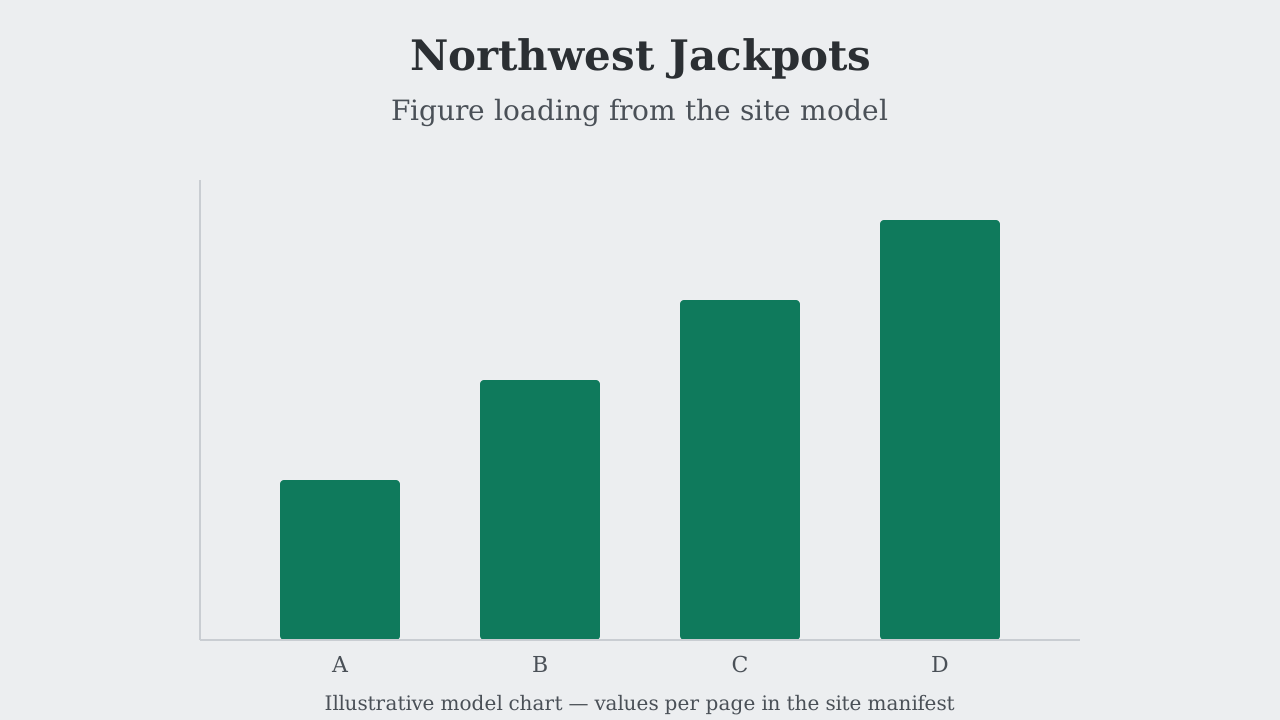
This matters more in bingo than in almost any other vertical, because the shared network is the product. The room count, the size of the prize pools, the number of players buying into every game, the schedule of free and paid sessions, all of it comes from the network rather than the brand. A brand on a large network inherits rooms that fill quickly, guaranteed jackpots that accumulate properly and a chat floor that never goes quiet. A brand on a small network inherits the opposite: fewer rooms, thinner pots, quieter chats. Our model across the market assumes large networks run somewhere around twenty-five rooms, mid-size networks around fifteen and small standalone brands around eight, and those assumptions sit behind the chart below.
How do you find out which network a brand runs on? The games themselves usually name the platform in the lobby, and the terms page often names the operator company behind the brand. Neither requires a phone call. Five minutes of reading before registration tells you whether the site you are considering is a window onto a busy shared floor or a quiet back room. Neither is wrong. A quiet room can suit a player who finds the big evening sessions overwhelming, and small networks sometimes run better-value ticket prices to pull a crowd. What matters is that you know which one you are joining, because the choice changes what a deposit buys.
The second structural point is that bingo brands usually carry a slots floor alongside the rooms. The two products cross-subsidise each other, and the bonus terms reflect it: wagering on a bingo bonus frequently has to be cleared on bingo tickets, with slots excluded or weighted at a fraction, and the reverse applies to slots bonuses claimed on a bingo site. This page costs the bingo side of that arrangement. Sibling pages on this site cover the rooms and ticket prices in their own right, the 90 ball variant and its prize splits, and the free rooms that ask for no deposit at all.
One consequence of the network structure deserves its own sentence. Because prize pools are shared across the network, a player’s experience of a £10,000 guaranteed jackpot game depends far more on the network’s player base than on the brand they entered through. A guaranteed pot spread across two thousand ticket-holders pays a thin top prize per winner; the same pot across three hundred pays handsomely. The brand you choose determines the door. The network determines the room you walk into.
Ticket economics: costing a session in pounds
Bingo is priced in tickets, and a ticket is a stake. The arithmetic of a session is therefore simple enough to run before you play, and the calculator below does exactly that: it takes a bankroll, a per-ticket stake, an assumed house edge and a number of sessions, and it shows the expected position at the end. The defaults are a £200 bankroll, a £2 ticket, a 4% house edge assumption and ten sessions, and those defaults are chosen to reflect a typical evening’s play at this end of the market rather than any particular operator’s price list.
Bonus calculator
Expected cost across 10 sessions: £32.
Model assumptions: the multiplier applies to the bonus amount, a house edge in line with popular titles is charged against the staking, and the cap truncates convertible winnings. Adjust the inputs to price your own case.
Worked at the defaults, the model shows what expectation implies rather than what any single session delivers. Across ten sessions of £2 tickets against a 4% edge, the expected cost of the journey is a fraction of the bankroll, and the actual result on any given night swings far wider than expectation, because bingo prizes are lumpy. One full house can erase an evening’s grind. Several barren sessions can eat a third of a bankroll without a single line win to show for it. Expectation is not a forecast of tonight. It is the long-run price of the tickets, and it is the only figure that lets one site’s pricing be compared honestly with another’s.
The edge assumption deserves a moment of honesty. Bingo returns differ by variant and by room, and the return-to-player figures printed in game information panels are assumptions we hold loosely. Our working model for this vertical assumes returns in the low-to-mid seventies across the common variants: around 75% for 90 ball, around 72% for 75 ball and around 74% for 80 ball. Those figures sit well below slot returns, and readers who look them up for the first time are often surprised. The reason is structural: a large share of every ticket’s price funds the shared prize pool, the network’s costs and the operator’s margin, and the game’s appeal rests on community and occasion as much as on pure return. A player who values the hour of entertainment gets something for that gap. A player who came for the money should price it.
Ticket price is the lever with the most leverage. The same bankroll buys four hundred tickets in penny rooms, eighty at 25p or two hundred at 10p, and the wider the ticket count, the more the law of large numbers smooths the ride. Cheap rooms carry small pots, so the expected result is similar but the variance is far lower. Premium rooms carry the reverse trade: fewer tickets, bigger pots, wilder swings. Neither is better. The right question is how much variance your bankroll can carry without emptying, and the answer depends on the bankroll, not on the room.
The model’s sensitivity is worth stating. Halve the stake to £1 and the expected cost across ten sessions halves with it. Double the sessions and the expected cost doubles. Edge moves the figure too, but the reader controls stake and session count directly, and those two dials are where a budget is actually set. A player who decides in advance that the entertainment budget is £50 for the month, and who sizes tickets so that the expected cost of the planned sessions fits inside it, has done more for their own outcome than any comparison table on any site can do for them.
There is one further cost line to name: the chase. Bingo’s rhythm, the chat, the near misses on two lines, the regular game starts, make it easy to keep buying beyond the planned session. The tools a licensed British operator provides, deposit limits, reality checks, session reminders, exist precisely for this. The calculator prices the plan. The discipline that keeps the plan intact is yours, and the next section shows what the licence itself contributes to keeping it.
Bonus terms on bingo credit: the clauses that move money
A bingo welcome offer is usually a package of bonus tickets or bonus credit, sometimes paired with free spins on the site’s slots floor. The headline is a number of tickets. The price is in the terms, and four clauses do nearly all of the work.
First, the wagering multiplier and what it applies to. Bingo bonuses commonly carry wagering in the region of several multiples of the bonus amount, and the range across the market runs from light single-digit requirements to requirements in the tens. What the multiplier applies to matters as much as its size: wagering on the bonus amount and wagering on deposit plus bonus differ by a factor of two on a matched offer. Find the base before anything else. It is the most expensive word on the promotions page.
Second, game weighting. A bingo bonus usually has to be wagered on bingo tickets, and slots often contribute at a reduced rate or nothing at all toward a bingo bonus. Some operators flip the arrangement for slots bonuses, excluding bingo play entirely. If your plan is to split your play between rooms and the slots floor, the weighting table decides how much of your play actually counts, and the effective requirement can be several times the printed one. The weights are printed in the terms. They take two minutes to read and they decide whether the offer is worth having.
Third, the maximum conversion or win cap. Many bingo bonuses limit how much of a bonus balance can convert to withdrawable cash, and the caps run from modest figures into the hundreds of pounds. Where a cap exists, the upside of the promotion ends there, and a wagering journey that finishes with a balance above the cap simply surrenders the excess. Some offers carry no cap. On identical headline numbers, a no-cap offer is worth materially more, and the difference is invisible unless somebody reads clause by clause.
Fourth, the time limit and the withdrawal trigger. Bonus tickets and wagering requirements commonly expire within days to weeks of credit, and the expiry window on a small ticket package can be tight enough that casual players never complete it. And on most offers, requesting a withdrawal before wagering completes forfeits the remaining bonus and any winnings attached to it. Know both deadlines before you accept, because the moment they matter arrives faster than new players expect.
Two smaller clauses complete the checklist. Some networks print a maximum ticket price during bonus wagering, so the requirement cannot be cleared on premium tickets at the operator’s risk. And some welcome packages drip tickets across several days, which converts the headline number into a commitment to return daily or lose the remainder. Neither clause is dishonest. Both change what the offer is actually worth, and both are visible in the terms before a deposit is made.
Run the checklist and the market becomes a price list rather than a parade of ticket counts. A package of fifty bonus tickets at light wagering with no cap and a long window is a better product than five hundred tickets at heavy wagering, a £25 conversion ceiling and a four-day expiry, and no headline figure reveals that difference. Only the terms do.
Network comparison: what the ranges look like
The table below compiles category-typical ranges across a spread of bingo brands serving the British market and the offshore market alongside it. Every figure is a range, not a quote: these are the terms operators of each kind commonly publish, compiled from operator-published terms, and no row should be read as the stated promotion of the named site on the day you read this. The UKGC rows are the British baseline shown for comparison.
| Brand | Licence label | Welcome offer range | Wagering | Minimum deposit | Payout window | Payment rails |
|---|---|---|---|---|---|---|
| Gala Bingo | UKGC | Ticket bundle with low-value spins | Commonly 1–4x | £10 | 1–3 days | Debit card, PayPal, bank transfer |
| Foxy Bingo | UKGC | Ticket package plus spins bundle | Commonly 1–4x | £10 | 1–3 days | Debit card, PayPal, Apple Pay, bank transfer |
| Sun Bingo | UKGC | Ticket bundle with slots spins | Commonly 2–4x | £10 | 1–3 days | Debit card, PayPal, bank transfer |
| Heart Bingo | UKGC | Ticket package with light wagering | Commonly 1–3x | £10 | 1–3 days | Debit card, PayPal, bank transfer |
| JackpotJoy | UKGC | Ticket bundle plus game credit | Commonly 1–4x | £10 | 1–3 days | Debit card, PayPal, bank transfer |
| Lucky Pants | UKGC | Ticket package across first days | Commonly 2–4x | £10 | 1–3 days | Debit card, PayPal, bank transfer |
| Fabulous Bingo | UKGC | Ticket bundle with spins | Commonly 1–4x | £10 | 1–3 days | Debit card, PayPal, bank transfer |
| Double Bubble Bingo | UKGC | Ticket package with slot spins | Commonly 1–4x | £10 | 1–3 days | Debit card, PayPal, bank transfer |
| MyStake | Offshore | Match package with recurring reloads | Commonly 30–40x | £20 | 0–2 days | Debit card, e-wallets, crypto, bank transfer |
| Goldenbet | Offshore | Match package with free spins | Commonly 35–45x | £20 | 0–2 days | Debit card, e-wallets, crypto |
| Donbet | Offshore | Multi-tier match package | Commonly 35–45x | £20 | 0–2 days | Debit card, e-wallets, crypto |
| Rolletto | Offshore | Multi-tier match to large headline | Commonly 40–45x | £20 | 0–2 days | Debit card, e-wallets, crypto, bank transfer |
Read the table as two stories told at once. The UKGC rows show a market where bingo welcome offers are built from tickets and light wagering, minimum deposits sit at £10 and payout windows are measured in days bounded by published commitments. The offshore rows show headline matches that dwarf anything the licensed market prints, wagering in the tens of multiples, higher entry floors and rails that include crypto. Neither story is uniformly better. The British baseline buys regulatory protection and gives away headline size. The offshore alternative buys headline size and gives away the protection. Note also that the offshore rows in this table describe operators whose primary product is casino gaming, with bingo rooms as a smaller adjunct, which is itself a fact worth weighing if bingo is your purpose for the account.
Two details of the ranges deserve emphasis. On wagering, the distributions barely overlap: single-digit multiples on the licensed bingo rows against thirty times and up on the offshore rows, and that gap, not the headline size, is the truest measure of which offer is cheaper. On payment rails, the offshore rows lean on e-wallets and crypto partly because some British payment providers decline gambling transactions with unlicensed operators, so the rail list is itself a signal about the licence behind the site.
Rooms, chat and the community layer
Bingo is the only major gambling vertical where the social layer is a first-class part of the product. The chat window runs alongside every game, hosts run quizzes and mini-games between calls, and regular players treat a favourite room the way regulars treat a pub. For many readers this is the honest reason they are here, and it is worth treating seriously rather than as decoration, because the community layer has practical consequences for how a site should be chosen.
The first consequence is about room size. Big networks run rooms with hundreds of players, which splits prize pots thinly and makes the chat move too fast to follow, but keeps games starting every few minutes around the clock. Smaller rooms fill slowly, pay better per winner and hold actual conversations. Depending on whether you came for the pots or for the company, the same network can be the right answer or the wrong one. Most large networks run both tiers side by side, a busy evening schedule of guaranteed games and quieter rooms the rest of the day, so the choice can be made per session rather than per site.
The second consequence is about chat moderation, and it matters more offshore. On a licensed British site, chat hosts operate under a regulated operator with published conduct standards and a complaints route if conduct falls short. On an offshore site, the same function depends entirely on the operator’s own policy. Readers who would find an unmoderated room unpleasant, or who have had an experience of harassment in an online space, should weigh that difference before choosing a site whose only oversight sits in another jurisdiction.
The third consequence concerns the side games. Almost every modern bingo room carries a slots panel beside the ticket purchase screen, and the design aim is obvious: keep the stake moving between calls. Players who came for bingo and find themselves drifting onto side games should know that the drift is engineered, that the return assumptions on those side games follow slot maths rather than bingo maths, and that the session cost model in the ticket economics section above does not carry across to them. The rooms are the product you chose. The panel beside them is somebody else’s margin.
Prize structures tie the community layer back to money. Shared-network games pool contributions across every brand on the platform, so a jackpot won by a player from a small brand pays out identically to one won from the biggest name on the network. Ticket price, prize split and the number of players buying in determine the value of every game. The brand on your screen determines none of it. Once that is understood, the question “which bingo site should I join” becomes two questions: which network runs the rooms you would enjoy, and which brand on that network offers the best entry terms. Answer them in that order and the market falls into place.
The licence trade-off stated plainly
With the aside stated, the comparison can run on the merits. The licensed British bingo market is mature, heavily networked and modest in its promotions. Its welcome offers are built from tickets with light wagering precisely because the regulator constrains how promotions may be structured, and for many readers that constraint is the value. The offshore market serves readers who want larger headline packages, broader rails and fewer restrictions, and it exists legitimately for them. The costs of that choice are the ones the aside lists, and the reader who prices them at zero because no dispute has ever arisen should understand that the price is paid only when it is owed.
One practical note completes the picture. Under a British licence, a complaint that the operator cannot resolve escalates to an independent Alternative Dispute Resolution body at no cost. Offshore, the equivalent route depends on the issuing jurisdiction, and outcomes range from reasonable to absent. A reader with no history of complaints may rationally discount this. A reader who has fought a voided-win dispute will not. Both positions are rational; only the second one is informed by experience, which is why this page writes the difference down before the deposit rather than after.
How to choose a bingo site
Four questions close the page, and they work for any brand on any network.
Question one: which network? Find the platform behind the brand, check the room count and the schedule, and decide whether the floor it runs suits the sessions you actually plan. A busy network with guaranteed evening games and a quiet daytime schedule covers most preferences; a small standalone does one thing and does it thinly. This question decides more of the experience than the welcome offer ever will.
Question two: what does the welcome offer cost? Run the four-clause checklist from the bonus terms section. The multiplier and its base, the game weighting, the conversion cap, the time limit and the withdrawal trigger. Five minutes per offer. On the licensed side, expect light wagering on ticket packages; on the offshore side, expect heavy multiples on matched credit. The comparison table prices the difference in ranges, and the terms page of any named site prices it exactly.
Question three: what is your position on the licence trade-off? Read the aside again if the answer is unsettled. A reader relying on self-exclusion through GamStop should understand that the exclusion covers licensed British operators only, and that depositing offshore steps outside it; that is a fact about the tool’s boundary, and it belongs in the decision. A reader who values the disputes route and the fund-protection standards weights the licence heavily. A reader who weights it lightly should at least know what is being discounted.
Question four: what does a session cost on your plan? Take the bankroll you have actually set aside, size the tickets so the expected cost of your planned sessions fits inside it, and use the deposit limit tools to make the plan enforceable. The calculator in the ticket economics section runs the numbers in both directions: change the stake and watch the expected cost move, change the session count and watch it move again. The player who arrives with a plan and a limit set has done the one thing that actually protects the outcome, and the choice of site is then a matter of which rooms they enjoy most.
Answer those four and the shortlist makes itself. The network decides the rooms. The terms decide the entry price. The licence decides the protections. The budget decides the rest. Nothing on this page, or on this site, substitutes for the last part, and nothing on it tries to.
Frequently asked questions
Why do different bingo brands feel so similar?
Because most of them run on a small number of shared software networks. The rooms, games, schedules and prize pools come from the platform, and the brand supplies the front door and the promotions. Check the games lobby or the terms page to identify the platform behind any brand before you register, since the network determines most of what you will experience.
How much should a bingo ticket cost?
There is no single right price, but the ticket price sets the variance of your session. Penny rooms smooth results across many tickets with small pots; premium rooms do the opposite. A practical rule is to size tickets so the expected cost of your planned sessions fits within the budget you set, and the session calculator on this page runs that arithmetic for you.
What does wagering on a bingo bonus mean?
It means the bonus amount, or sometimes deposit plus bonus, must be staked on qualifying play before a withdrawal unlocks. On bingo bonuses the qualifying play is usually bingo tickets, with slots weighted at a fraction or excluded. The multiplier and its base are printed in the terms, and the base is the single most important word on the promotions page.
Why are bingo return figures lower than slot returns?
A large share of every ticket price funds the shared prize pool, network costs and the operator’s margin, so the modelled return across common variants sits in the low-to-mid seventies. The gap buys the community layer and the occasion as much as the game itself. Players who value those get something for it; players who came for the return should price it consciously.
Are offshore bingo sites worth it for the bigger bonuses?
The headline packages are larger, but the wagering runs at thirty times and above rather than the light multiples typical on licensed bingo offers, and a British licence provides GamStop coverage, an independent disputes route and fund protection that an offshore licence does not. The page sets both sides of the trade in the licence section and leaves the weighing to the reader.
Can I withdraw before finishing bonus wagering?
On most offers, requesting a withdrawal before the wagering completes forfeits the remaining bonus and any winnings attached to it. Read the withdrawal trigger clause before the situation arises, because once the request is submitted the terms apply as written and the operator is rarely obliged to warn you first.
Do free bingo rooms pay real money?
Many do, in the form of small cash prizes from modest pools, and the sibling page on free bingo no deposit rooms costs them in detail. The prizes are genuine but small, and some free rooms carry entry conditions such as a funded account in the recent past, so the terms of each room are worth a quick read before you settle in for an evening.
Does it matter which network a jackpot runs on?
It matters a great deal. Shared-network jackpots pool contributions from every brand on the platform, so the size of the pot and the number of competing ticket-holders come from the network rather than the brand. The same guaranteed game pays a thinner prize per winner with two thousand players than with three hundred, so the network behind your brand shapes the value of every game you enter.
What is GamStop and does it cover every bingo site?
GamStop is the free national online self-exclusion scheme for Great Britain, with a minimum registration of six months, covering operators licensed by the Gambling Commission. It does not reach operators licensed elsewhere. Anyone relying on self-exclusion should understand that boundary before considering any site outside the scheme.