Same Day Withdrawal Casino
A payout that lands on the day you asked for it is not luck. It is the product of three things you control before the request is ever made: the rail you funded with, the verification state of your account, and the hour you pressed the button. This page works through the mechanics of same day withdrawal casinos on stated assumptions, prices the cut-off question in hours, and names the licence trade-off that sits underneath every fast-payout promise.
Same day payouts at this end of the market are usually a function of processing queues and payment rails rather than operator generosity. Offers of this kind at offshore-facing sites typically ask around forty times the bonus amount in wagering before any withdrawal unlocks, so the speed of the cashout only matters once the terms have been cleared. Verify current terms on each operator’s own promotions page before depositing, because processing commitments change without notice.
Terms change often. Verify the current terms on the operator’s own page before depositing. Scores are editorial.
8.2/10See offer terms
8.0/10See offer terms
7.8/10See offer terms
7.5/10See offer terms
What same day actually means
Read any operator’s withdrawal page and you will find the phrase “same day payouts” used loosely. Sometimes it means the request is approved the same day and the money follows later through the rail’s own clearing cycle. Sometimes it means the money is in your hands before midnight. The two claims are different products, and the difference is measured in hours that matter a great deal if you need the funds for something concrete. This page uses the stricter definition throughout: a same day withdrawal casino is one where, on the modelled assumptions, a request made inside the processing window arrives in your account balance the same calendar day.
Three clocks run in sequence on every withdrawal, and only the first belongs to the operator. The first clock is the review queue, the time between your request and the operator releasing it. On efficient sites this is measured in minutes; on others it runs to a published pending period of twenty-four or forty-eight hours, at which point same day delivery is impossible by design. The second clock is the rail’s own execution time, which for e-wallets is seconds and for standard card settlements can be a day or more. The third clock is anything added in between: a compliance check, a request for documents, a bank’s own processing delay. Same day performance means all three clocks complete inside the window, and a site can only deliver it if every stage is fast, not just the one it advertises.
It is worth being blunt about why the distinction gets blurred. “Same day” is a marketing phrase, and marketing phrases attach themselves to the most favourable reading. An operator that approves requests at eleven at night can truthfully say requests are processed the same day while the arrival happens two days later through standard card clearing. Nothing in that sentence is false; the impression is simply assembled from true parts. The way to see through it is to ask two questions of any fast-payout claim: what is the cut-off time for same day approval, and which rails does the commitment actually cover? An operator that publishes both answers plainly is telling you something an operator that publishes neither is not.
The model used on this page assumes a site with no fixed pending period, automated review for routine requests, and rail speeds at the category-typical figures stated below. Under those assumptions, a request made in the morning clears by afternoon on e-wallet rails, and a card withdrawal made early has a reasonable chance of same day arrival through faster settlement schemes. Change any assumption and the outcome changes with it. The purpose of stating the model is that readers can swap in their own numbers rather than inherit ours.
One more definition clears up a common confusion. Same day is slower than instant. The instant withdrawal page on this site covers the sub-hour end of the market, where e-wallet requests approved in minutes land in minutes. Same day widens the lens to include card settlements and requests made later in the day, and the practical difference is that instant payouts usually require an e-wallet while same day payouts can sometimes be achieved on card rails if the timing and the settlement scheme cooperate. Players who need speed on every occasion should treat instant as the target; players who need speed occasionally can plan around same day windows.
Cut-off times and processing queues
The single most useful number on any fast-payout site is the cut-off: the latest hour at which a request enters that day’s processing batch. Miss it and your request waits for the next business day, whatever the marketing says. The chart below models the hours from request to payout at three points in the day on the assumptions this site uses for the category, and the shape of the bars tells the story better than any sentence could.
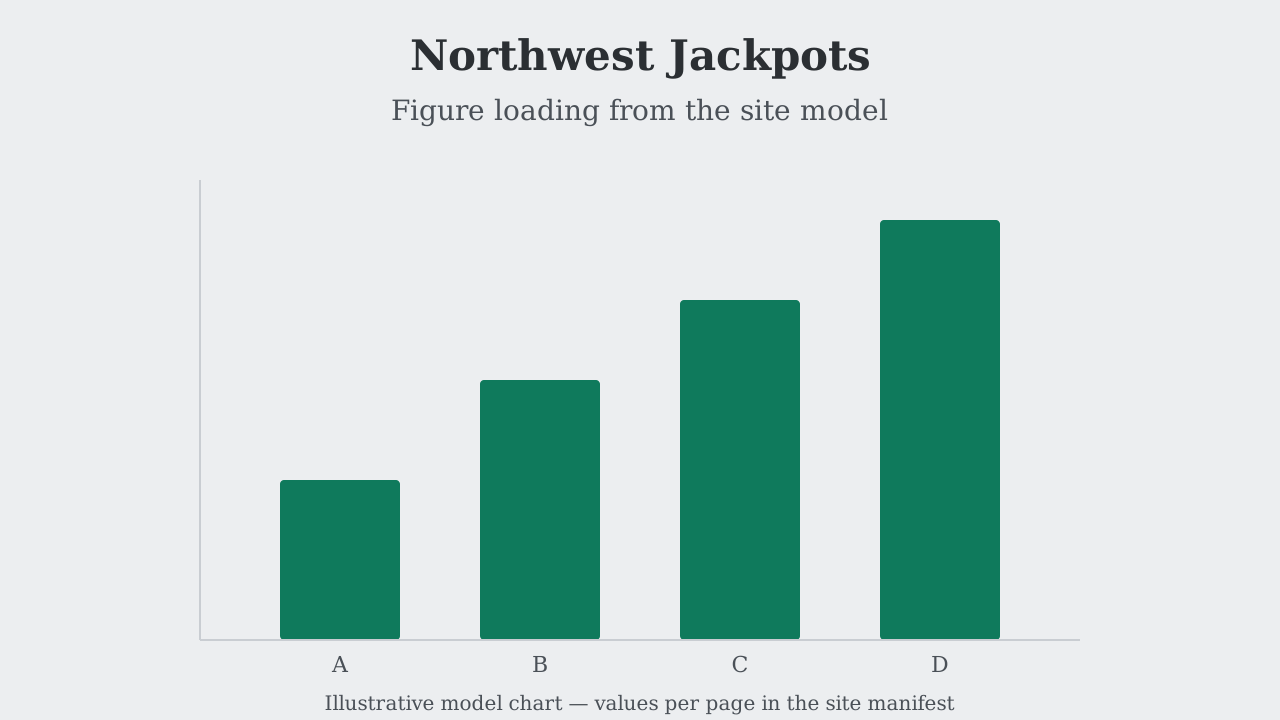
Read the model plainly. A request made in the morning sits at the front of the queue, clears the review stage with the whole working day ahead of it, and reaches the rail while settlement schemes are live, which is why the modelled figure is six hours end to end. An afternoon request joins a fuller queue and lands closer to the settlement cut-offs, pushing the model to ten hours. A late-evening request misses the day’s processing entirely in the modelled case: the operator reviews it the next morning and the twenty-hour figure reflects the overnight wait stacked on the ordinary pipeline. None of these numbers is a quote from any operator. They are the planning assumptions behind every calculation on this page, and they should be treated as such.
The queue position effect compounds on busy days. Weekend evenings, the hours after major sporting fixtures and the first days of the month all produce heavier withdrawal volumes, and a queue that clears in an hour on a quiet Tuesday can take most of a day at peak. Operators do not publish their queue depths, so the honest way to plan is to assume the slowest plausible review time for the moment you are requesting and be pleasantly surprised when it runs faster. A player who needs money by a specific hour should request the previous morning, not the same afternoon.
Weekends deserve their own paragraph because they catch players out. Some operators run withdrawal review around the clock; others staff the compliance function on business days only, which means a Friday evening request can sit until Monday morning regardless of the rail’s speed. This is not visible in any marketing copy, and it is rarely visible in the terms either. The practical test is the operator’s own support channel: ask them directly what happens to a request made at nine on a Sunday, and the answer, or its vagueness, tells you what the cut-off structure really is. Sites that answer the question in one sentence are usually the ones with the operation to back the promise.
There is also a wagering interaction worth naming. Offers of this kind, where bonus credit is in play, commonly require the wagering to complete before a withdrawal unlocks, and wagering completed at eleven at night feeds straight into the worst slot of the queue model. Players clearing bonus terms who also care about speed should try to finish requirements in the morning, which sounds trivial and saves a full day on the model. Small timing habits are the cheapest speed upgrades available, costing nothing and compounding across every withdrawal you ever make.
The rails that pay today
Rails decide more about same day outcomes than operators do. The review queue is an operator variable, but once the request is released, the rail’s mechanics take over and those mechanics are fixed. E-wallets execute in seconds once payment is sent, which is why they dominate the fast end of every payout table this site publishes. Faster card settlement schemes compress what used to be a three-day card wait into hours where both the operator’s bank and yours support the scheme. Standard bank transfer remains the slow lane, and prepaid or voucher deposits generally cannot receive withdrawals at all, which forces a rail switch and adds a day.
The rule that governs everything else is the closed-loop convention: withdrawals return by the rail used to deposit wherever the rail supports it. Choose the deposit method with the withdrawal in mind and the same day question is mostly settled on day one. Fund by standard card transfer and no amount of operator efficiency delivers sub-day money reliably. Fund by a modern e-wallet and even a slow operator cannot add more than its own queue to the total. The rail choice is the deposit-stage decision most players make carelessly and then regret at the cashout.
Crypto sits in its own category at this end of the market. On the modelled assumptions used across the site’s crypto coverage, on-chain withdrawals clear in minutes once released, which beats every fiat rail. The costs sit elsewhere: coin volatility between request and arrival, wallet management knowledge the player must supply, and the fact that offshore-facing sites are the ones most likely to offer the rail at all, which raises the licence question covered below. A reader comfortable with wallets and holding a stablecoin preference can achieve same day outcomes more reliably through crypto than through any fiat method, and should price the added responsibility honestly before choosing it.
Payment regulation shapes the rail list too. Credit cards have been banned for British gambling since April 2020, so the card rails in play are debit. Some British payment providers decline gambling transactions with operators holding no Gambling Commission licence, which is one reason the offshore rows of the comparison below lean on e-wallets and crypto. Winnings themselves are not taxable in the United Kingdom; gambling duty falls on operators. None of these facts change the speed arithmetic, but they explain why two sites with identical promises can present very different cashier pages, and the cashier page is where the same day question is actually answered.
Category comparison: what the ranges look like
The table below compiles category-typical ranges across a spread of sites serving the British market and the offshore market alongside it. Every figure is a range, not a quote: these are terms operators of each kind commonly publish, compiled from operator-published terms at the time of writing, and no row should be read as the stated promotion of the named site on the day you read this. Check live terms before depositing. The UKGC rows are the British baseline shown for comparison.
| Brand | Licence label | Welcome offer range | Wagering | Minimum deposit | Payout window | Payment rails |
|---|---|---|---|---|---|---|
| Virgin Games | UKGC | Low-value spins bundle | Often under 15x | £10 | 1–2 days | Debit card, PayPal, bank transfer |
| MrQ | UKGC | Spins package with low wagering | Often under 10x | £10 | Same day–2 days | Debit card, PayPal, bank transfer |
| PlayOJO | UKGC | Spins bundle without wagering | None on spin wins | £10 | Same day–2 days | Debit card, PayPal, bank transfer |
| BoyleSports | UKGC | Free bet style credit | Varies by product | £10 | 1–3 days | Debit card, PayPal, bank transfer |
| Casumo | UKGC | Match package with spins | Commonly 30–40x | £10 | 1–2 days | Debit card, e-wallets, bank transfer |
| Videoslots | UKGC | Match package with spins | Commonly 20–40x | £10 | Same day–2 days | Debit card, e-wallets, bank transfer |
| Kwiff | UKGC | Free bet style credit | Varies by product | £10 | 1–3 days | Debit card, PayPal, Apple Pay |
| LeoVegas | UKGC | Match package with spins | Commonly 30–40x | £10 | Same day–2 days | Debit card, PayPal, bank transfer |
| Pink Casino | UKGC | Spins bundle on first deposit | Commonly 10–30x | £10 | 1–3 days | Debit card, PayPal, bank transfer |
| Rolletto | Offshore | Multi-tier match to £2,000 range | Commonly 35–45x | £20 | 0–2 days | Debit card, e-wallets, crypto, bank transfer |
| Kinghills | Offshore | Match package with free spins | Commonly 35–50x | £20 | 0–2 days | Debit card, e-wallets, crypto |
| NineWin | Offshore | Multi-tier match with reloads | Commonly 35–45x | £20 | 0–2 days | Debit card, e-wallets, crypto |
Two stories run through the rows. The UKGC baseline shows modest headline offers, minimum deposits at £10 and payout windows bounded by licence conditions requiring withdrawals without unreasonable delay. The offshore rows show larger headline matches, heavier wagering, a £20 entry floor and windows stated in hours to a couple of days depending on the rail. On the specific question of this page, the interesting overlap is in the payout column: the fastest UKGC rows reach the same day band through faster card settlement and efficient review, while the offshore rows reach it through e-wallet and crypto rails. Both routes work. They carry different protections, which the next section but one sets out in full.
Note also what the table does not show. It cannot show queue behaviour at peak times, weekend staffing or how a first withdrawal is handled in practice, because none of those are published figures. The ranges describe the terms as printed. The lived experience depends on the processing operation behind them, and the only reliable signals are the cut-off question and the support test described earlier in this page.
Verification: the check that decides your first payout
If same day performance fails anywhere, it fails at the first withdrawal. Identity verification under a British licence is a requirement of the operator’s conditions, and in practice the checks cluster at the moment money tries to leave rather than when it arrives. A request that would otherwise clear in an hour stalls for a day or more while documents are reviewed. This is the single largest gap between the marketing promise and the lived outcome, and it is almost entirely avoidable with preparation done at registration.
The preparation is simple. Upload proof of identity and proof of address when you open the account, before any deposit, and let the checks complete while nothing is at stake. If you expect to withdraw meaningful sums, have a record of the source of funds available as well, because larger requests are the ones most likely to trigger a source-of-funds question. An account that is fully verified before the first request behaves, on the modelled assumptions, like any subsequent request: minutes of review, then the rail’s own speed. An account verified on demand does not get a same day payout on the first attempt, full stop.
Verification requirements at offshore-facing operators differ in kind. Some complete checks only at withdrawal, some at lower thresholds than their British counterparts and some, marketed aggressively, promise none at all. A site that performs no checks is not a faster version of a compliant one; it is a different product with different risks, and the absence of checks means the withdrawal dispute process, such as it is, starts from nothing if something goes wrong. Speed purchased by skipping verification is speed borrowed against the one moment that matters, which is the day you want your money out.
One practical note ties verification to the rail discussion. E-wallet accounts themselves carry verification, and a newly opened e-wallet holding its first casino withdrawal is more likely to face a review than an established one. Open and verify the wallet well before you need it, fund the casino from it, and the whole chain behaves predictably at cashout. Players who assemble the chain on the day of the request are the ones posting on forums about pending withdrawals, and the sequence of their decisions is usually visible in the story.
The licence question under every fast promise
With the aside stated, the licence question can be connected directly to the subject of this page, because it is not a separate topic from payout speed. A British licence requires withdrawals to be handled without unreasonable delay, and that obligation is enforceable through the complaints and ADR route if a site lets its queue drift. On an offshore site the same speed is a matter of policy alone: if the queue stretches from hours to weeks, the escalation path runs through the operator’s own regulator in another country, with the cost, delay and uncertainty that implies. Fast payouts from a licensed site are a right with a remedy attached. Fast payouts from an unlicensed one are a promise with nothing behind it but the operator’s record.
That record is worth checking before depositing, and it is checkable without any special tools. Long-running complaint threads about held withdrawals, sudden terms changes applied retroactively and support channels that go quiet when money is owed are all visible in public discussion long before they affect you. No single anecdote proves a pattern, and no clean record promises a clean future. What the record offers is a base rate, and a reader choosing between two sites with similar terms is choosing between base rates as much as between offers.
Finally, the self-exclusion boundary belongs in this section because it has wallet consequences. A reader who has registered with GAMSTOP and then plays offshore has stepped outside the scheme they set for themselves; the exclusion does not reach operators licensed elsewhere. This page states the boundary as a fact about how the scheme works and makes no observation beyond it. Anyone relying on self-exclusion should understand exactly where it stops before considering any operator outside the licensed market, and anyone who finds gambling is stopping being fun can reach the National Gambling Helpline free on 0808 8020 133, day or night.
Setting up an account for same day payouts
Everything above condenses into a setup routine that takes perhaps twenty minutes on day one and pays out on every withdrawal thereafter. The routine exists because same day performance is mostly manufactured before the request is made, and readers who adopt it remove nearly every avoidable delay the market produces. Run it in order.
First, choose the rail at deposit. An established, already-verified e-wallet is the default for speed; a faster-settlement debit card is the fallback if you prefer banking directly; crypto is the option for readers comfortable with wallets who accept the volatility and the licence context that usually accompanies the rail. Second, verify everything early: the casino account, the wallet, the card ownership, all completed while no withdrawal is pending. Third, read the withdrawal terms before the deposit, not after, noting the cut-off time, the pending period if any and whether weekend processing operates. Fourth, keep the stake plan inside the maximum-bet cap if any bonus is in play, because a voided bonus dispute is the slowest event in the entire market and it is self-inflicted.
Fifth, time the request. Morning requests enter the shortest queues with the longest settlement runway, and on the modelled assumptions that timing alone is worth several hours against an evening request. Sixth, respond to any document request the same hour it arrives, because review queues do not pause while a reply is considered. Seventh, keep the first withdrawal modest, since smaller requests clear automated review more readily than large ones while the account history is thin, and build the pattern before pushing the size.
What the routine cannot do is substitute for the judgement the aside describes. A fast payout from a site with no British licence arrives quickly into an account with fewer protections around it, and speed does not change that arithmetic. A slower payout from a licensed site arrives with the disputes route, the fund protection and the safer-gambling tools standing behind it. Which trade suits you is a question only you can answer, and this page’s whole purpose is to make sure it gets answered before the deposit rather than after the first stalled request. Answer it, run the setup routine, and the same day outcome follows on the modelled assumptions more often than not, with the surprises that remain being the ones no planning can remove.
For readers comparing the adjacent tiers of this category, the instant withdrawal page covers the sub-hour end of the market and the minimum deposit page prices the entry floors across the same sites. The fast withdrawal hub holds the family together, and every page in it uses the same assumptions so figures transfer between them without translation.
Frequently asked questions
What counts as a same day withdrawal?
On this site’s definition, the money arrives in your account on the same calendar day the request was made. Some operators use the phrase to mean only that the request was approved the same day, with arrival following later through the rail’s clearing cycle. Check which meaning applies before relying on the promise, because the gap between the two can be a full day on card rails.
What time should I request a withdrawal?
Morning is the strongest slot on the modelled assumptions. Requests made early enter shorter review queues, clear while settlement schemes are live and reach the rail with the whole working day in hand. Late-evening requests frequently miss the day’s processing batch and wait for the next morning, which on the model adds several hours to the total.
Which payment method clears fastest?
E-wallets lead the field because payment execution takes seconds once the operator releases the request. Faster card settlement schemes bring debit cards into the same day band where both banks support them. Standard bank transfer is the slow lane, and crypto clears in minutes once released, subject to the coin volatility and wallet knowledge it demands.
Why did my first withdrawal take longer than promised?
First withdrawals are the slowest across most of the market because identity verification is usually triggered at that point. Uploading proof of identity and address at registration, before any request, removes the delay entirely. An account verified in advance behaves like any subsequent request on the modelled assumptions.
Do weekends slow payouts down?
They can. Some operators review withdrawals around the clock while others staff compliance on business days only, so a Friday evening request can sit until Monday regardless of rail speed. Ask the operator’s support directly what happens to a Sunday request, and the clarity of the answer tells you how the operation really runs.
Can I withdraw to a different method than I deposited with?
Withdrawals generally return by the rail used to deposit wherever that rail supports payouts, which is the closed-loop convention. Voucher deposits usually cannot receive withdrawals at all, forcing a switch that adds verification steps and time. Choose the deposit method with the cashout in mind and the question mostly answers itself.
Does wagering affect withdrawal speed?
Indirectly, yes. Offers of this kind usually require wagering to complete before a withdrawal unlocks, so the hour you finish clearing the requirement determines your position in the processing queue. Finishing wagering in the morning rather than late evening is worth several hours on the model used in this page.
Are offshore casinos faster at paying out?
On rails, often, because offshore-facing sites lean on e-wallets and crypto which clear quickly once released. On protection, no. A British licence requires withdrawals to be handled without unreasonable delay and gives you an escalation route to independent adjudication if they are not, while an offshore operator’s speed is a policy with no external remedy behind it.
What documents should I have ready before withdrawing?
Proof of identity, proof of address and, for larger requests, evidence of the source of funds are the standard set. Have them uploaded and approved before the first withdrawal rather than in response to it. Documents supplied the hour they are requested keep the review queue moving, which is where same day outcomes are preserved.
Are my winnings taxable if they arrive the same day?
No. Gambling winnings for a consumer are not taxable in the United Kingdom whatever the payout speed, because gambling duty is levied on operators rather than players. The speed of arrival makes no difference to the tax position.
Do small withdrawals clear faster than large ones?
On the modelled assumptions, modest requests clear automated review more readily while an account history is thin, and large requests are more likely to trigger manual checks or source-of-funds questions. Keeping early withdrawals small and building a clean pattern first is a reliable way to keep the whole pipeline quick.
What is the difference between same day and instant?
Instant describes sub-hour outcomes, which on this site’s assumptions require an e-wallet rail and an efficient review queue. Same day widens the window to include card settlements and requests made later in the day. If you need speed on every occasion, target the instant tier; if you need it occasionally, plan around the cut-off times instead.