Non Gamstop Casinos
A £100 deposit at a non Gamstop casino matched at 100% carries, on our working assumption of forty times the bonus, £4,000 of staking before any withdrawal unlocks. At a 4% house edge that journey costs £160 in expected losses before a single pound leaves the balance, and the winnings cap most operators at this end of the market publish truncates whatever is left. This guide costs the whole journey in pounds and hours, states every assumption it uses, and writes down plainly what a reader gives up when the account sits outside the Gambling Commission’s reach.
Offers of this kind usually ask forty times the bonus amount in wagering, set minimum deposits between £10 and £20, and process payouts on rails that clear faster than British cards but with no regulator standing behind the clock. Verify the current terms on the operator’s own promotions page before depositing, because offshore terms move without notice and no British authority will correct them for you.
Terms change often. Verify the current terms on the operator’s own page before depositing. Scores are editorial.
8.2/10See offer terms
8.0/10See offer terms
7.8/10See offer terms
7.5/10See offer terms
- What non Gamstop actually means for your money
- The bonus maths, costed from deposit to cap
- Wagering multipliers by game group
- Payments, payout windows and the rail you choose on day one
- What the ranges look like across both markets
- What you give up: the licence trade written down
- The self-exclusion boundary and safer play outside the scheme
- A checklist before you deposit
What non Gamstop actually means for your money
The phrase “non Gamstop casino” describes an operator holding no licence from the Gambling Commission and therefore no obligation to participate in GAMSTOP, the national self-exclusion register. That single structural fact cascades into everything else about the account: the promotions are larger because no British advertising rules constrain them, the payment rails lean on e-wallets and crypto because some British payment providers decline transactions with unlicensed operators, the verification happens on the operator’s schedule rather than a regulator’s, and the dispute route, should you ever need one, leads to a licensing authority in another country rather than to an independent adjudicator under a documented British process.
Readers arrive at these sites for different reasons and it is worth naming them, because the right questions differ by motive. Some readers have registered with GAMSTOP during a difficult period, served the minimum six months, and now find the register still standing between them and legal, adult gambling; the register’s minimum term means the exclusion continues whether or not the original reason does. Some readers want offers of a size the licensed market no longer prints, where multi-tier matches run to four figures and free-spin bundles run to the hundreds. Some readers simply live outside the reach of British banking habits, or prefer crypto rails that licensed British sites rarely carry. Each motive is legal. Each carries a different price, and this page’s job is to put prices on all of them.
The first price is the welcome offer itself, and it is bigger in headline terms than anything the licensed market prints. Matches of 200%, 300% and beyond appear routinely at this end of the market, sometimes stacked across several deposits, sometimes paired with free-spin bundles in the hundreds. The licensed British baseline, by contrast, tends to cap welcome value at modest levels precisely because licence conditions and advertising rules limit how a promotion may be structured and presented. So the first question is not “which headline is bigger”, because the answer is always the offshore one. The question is what the headline costs to clear, and that is arithmetic, not marketing.
Here is the arithmetic in its plainest form. We take forty times the bonus amount as our assumption, because that is what this part of the market asks across the great majority of published terms. On a £100 deposit matched at 100%, the bonus is £100 and the requirement is £4,000 of staking on qualifying games. Every pound staked on a full-weighting slot counts in full. Every pound staked on most table games counts at 10% or less, which converts the same requirement into £40,000 of table staking. That weighting is not a punishment aimed at any individual player; it exists because table games carry a house edge too thin for an operator to subsidise through a bonus, and the whole category, licensed and offshore alike, prices its promotions the same way.
Then there is the cap. Bonus winnings at this end of the market are frequently limited to a maximum convertible amount, and ceilings in the hundreds of pounds are ordinary. Our model uses £500 because that is the figure this segment tends to print in the terms, and it is the figure most players discover only when the balance they expected to withdraw gets truncated at conversion. Between the staking requirement, the game weightings, the house edge and the cap, the journey from a four-figure headline to money in hand is shorter than the headline suggests, and the rest of this page measures exactly how short.
None of this makes offshore offers dishonest. The terms are published, on the operator’s own pages, in the same small type that British terms use. The difference is that no regulator audits whether those terms are fair, no ADR body will overturn a clause applied harshly, and the reader who skims the promotions page and skips the terms page has nobody to complain to afterwards. The market is a price list wearing a parade costume. This page takes the costume off.
The bonus maths, costed from deposit to cap
The calculator below is set to the standard case used across this site: a £100 deposit, a 100% match, a forty-times multiplier on the bonus and a £500 cap on convertible winnings. Those defaults exist because they are the terms offers of this kind usually carry. Change any input and the model restates the staking requirement, the expected cost of clearing it and the effective value of the promotion once the cap has done its work.
Bonus calculator
Bonus £100, staking requirement £4,000.
Model assumptions: the multiplier applies to the bonus amount, a house edge in line with popular titles is charged against the staking, and the cap truncates convertible winnings. Adjust the inputs to price your own case.
The model runs four steps, and knowing them lets you run the same arithmetic anywhere. Step one multiplies the deposit by the match percentage to find the bonus amount. Step two multiplies the bonus by the wagering multiplier to find the total staking requirement, assuming the multiplier applies to the bonus alone, which is the cheaper base; some operators apply it to deposit plus bonus, which doubles everything and is the single most expensive word in any terms page. Step three applies a house edge assumption to the staking requirement to find the expected cost of the journey. Step four applies the cap and reports what the promotion is actually worth once the whole journey has been paid for.
Worked at the defaults, the story runs like this. The bonus is £100. The requirement is £4,000 of staking. At the 4% house edge we assume for popular slots, clearing the requirement costs £160 in expected losses. The cap sits at £500. The paper value of the promotion is a three-figure headline; its expected value, once clearing costs are charged against the bonus, is negative on those assumptions, and on many realistic combinations of stake size, game choice and volatility it is negative by a wide margin. That is not a counsel of despair. Some sessions do end with a withdrawal, because variance is real and the distribution of outcomes is wide. Expectation is not a forecast of your Tuesday night. It is the long-run price of the ticket, and it is the only number that lets one offer be placed honestly beside another.
Two inputs move the outcome more than everything else combined. The first is the house edge of the games you clear on. A 2% edge on the same £4,000 of staking costs £80 in expectation; a 5% edge costs £200. That swing of £120 arrives purely from game choice, and the edges are frequently printed in each game’s own information panel for anyone who looks. The second is the multiplier’s base. Forty times the bonus on the standard case is £4,000. Forty times deposit plus bonus is £8,000, and at 4% the clearing cost doubles from £160 to £320, which on a £100 bonus erases the promotion entirely before variance gets a vote. Read the base twice. Nothing else in the terms page matters as much.
| Input | Value | Effect on the model |
|---|---|---|
| Deposit | £100 | Sets the scale of the whole journey |
| Match | 100% | Bonus equals the deposit |
| Wagering multiplier | 40x bonus | £4,000 total staking requirement |
| House edge assumption | 4% | £160 expected cost of clearing |
| Winnings cap | £500 | Ceiling on the convertible balance |
| Expected cost at 2% edge | £80 | £80 cheaper than the base case |
| Expected cost at 5% edge | £200 | £40 dearer than the base case |
| Requirement at 35x | £3,500 | £500 less staking, £140 expected cost |
| Requirement at 50x | £5,000 | £1,000 more staking, £200 expected cost |
| Multiplier on deposit plus bonus | 40x £200 | £8,000 staking, £320 expected cost |
The sensitivity rows are where the practical lessons live. A five-point move in the multiplier shifts staking by £500 and expected cost by £20 at our edge assumption. A single-point move in house edge shifts expected cost by £40. Changing the base from bonus to deposit plus bonus doubles the entire journey. And a larger match multiplies all of it: the four-figure headline packages that this part of the market leads with, a 300% match on £100 for example, credit £300 of bonus and at forty times demand £12,000 of staking, with £480 of expected clearing cost and a cap that may sit barely above the bonus itself. Run any offer through those four steps before accepting it and the headline stops being persuasive and starts being a price.
One more term deserves a sentence here, because it appears at this end of the market more often than elsewhere: the maximum bet during wagering, commonly set around £5 per spin or round. Breaching it, even accidentally, can void winnings retroactively, and retroactive voiding is the most common genuine dispute in the offshore bonus world because there is no ADR body to adjudicate the edge cases. Set a stake level on day one that cannot come near the cap, and the clause becomes inert. Treat it as you would treat a speed camera: the limit exists whether or not anyone is watching, and the penalty arrives by post either way.
Wagering multipliers by game group
The forty-times assumption is a slots number, and the chart below shows why the game group you clear on changes the journey more than any other single decision. Slots, which contribute 100% of every stake toward the requirement in most published terms, carry our assumed multiplier of forty. Table games, contributing commonly 10% or nothing, carry an effective multiplier of sixty in our model once partial weighting is priced in. Live dealer tables, where some operators apply zero weighting or exclude the category outright, sit at eighty in our assumption, and on the strictest published terms the effective figure is undefined, because no amount of staking makes progress.
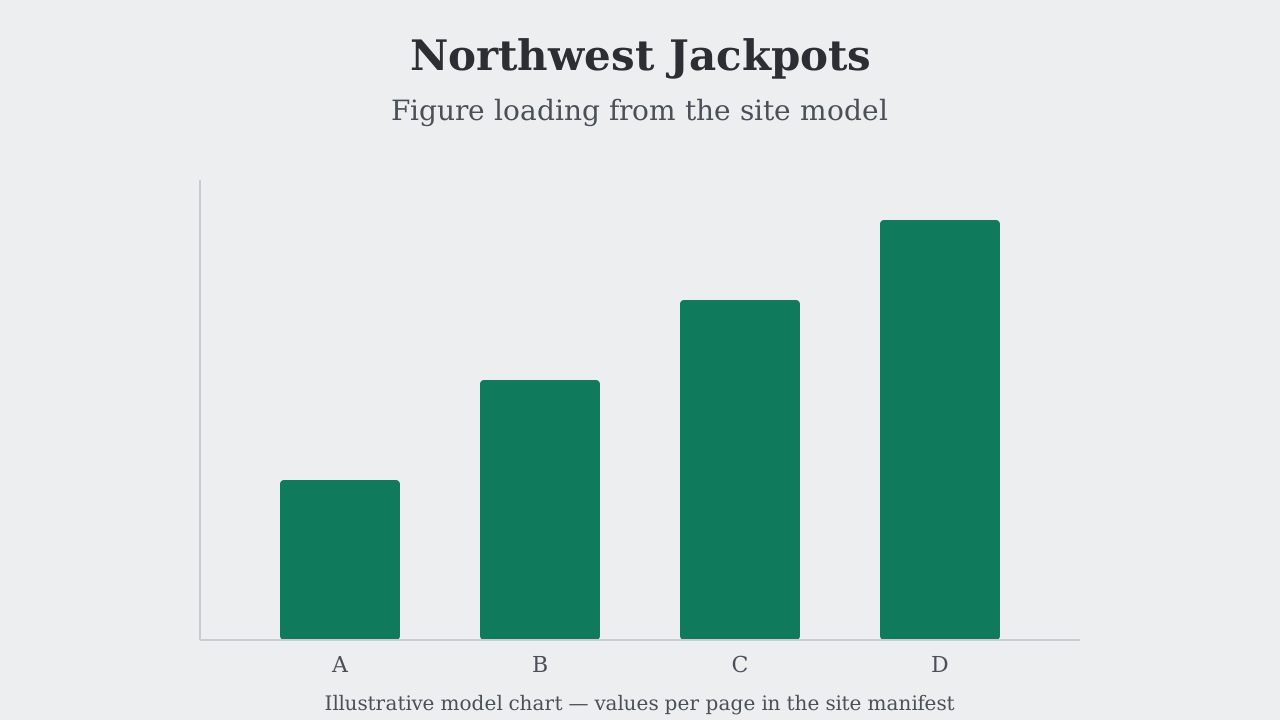
The mechanism behind the weighting is simple housekeeping on the operator’s side. Slots return roughly 95% to 97% of stakes over time, so a pound staked on a slot costs the operator two to five pence in expectation and a bonus-funded requirement is affordable at the printed multiplier. Table games return 98% to 99.5%, so the same pound costs a fraction of a penny and a full-weighting table game would let a disciplined player clear the requirement at almost no cost. Operators close that gap with the weighting table, and the weighting table is where the real multiplier hides. Always read it before planning your clearing route.
The planning consequence is concrete. If your natural game is blackjack and the terms weight it at 10%, your effective requirement is ten times the printed one, which on the standard case is £40,000 of staking rather than £4,000. If the terms weight it at zero, the route simply does not exist and the choice is either to play slots for the duration or to decline the bonus and play your own game with your own money. Some readers prefer the second path and it is worth saying plainly: taking the deposit without the bonus is always an option, it is usually the cheaper one in expected terms, and no operator at this end of the market requires you to accept a promotion to open an account.
Between those poles sits the middle path most players actually take: clear the requirement on high-return slots with a known house edge, at stakes well below the maximum-bet cap, and treat the table games as what you do afterwards with whatever converts. That sequence keeps the arithmetic legible. The staking requirement is paid on games whose edge you know, the conversion is bounded by the cap you have already read, and the entertainment money and the bonus money never get tangled up with each other. Tangled money is where most of the genuine regret in this market happens.
Payments, payout windows and the rail you choose on day one
The payment story at non Gamstop sites is genuinely different from the British baseline, in both directions. The fast direction first: rails such as MuchBetter, NETELLER and the major cryptocurrencies clear in minutes to hours once the operator releases the request, because no card scheme or bank clearing cycle sits in the middle. Crypto in particular can move from approval to wallet in under an hour at typical fee levels, which is faster than any rail a licensed British site offers on a standard day. The slow direction second: bank transfers can take a day or two, first withdrawals attract identity checks that add days if documents are not ready, and there is no published processing commitment that any regulator will enforce if the queue stretches.
The rail decision is made at the deposit whether you intend it or not, because withdrawals generally return by the rail used to fund the account. A player who deposits by debit card for convenience and then expects crypto speed has confused the front door with the exit. Decide the exit first. If withdrawal speed matters to you, fund by the fast rail from the first pound, verify the operator’s policy on rail switching in writing before you deposit if the cashier page is unclear, and keep a screenshot of it, because screenshots are the only documentation you will hold if a dispute ever arises.
Identity verification deserves its own planning paragraph. Offshore operators run lighter checks at registration than the British baseline demands, which is part of the speed readers notice on day one, but the checks do not disappear; they arrive at the first withdrawal, when the operator wants evidence that the account holder is who the account says. Documents uploaded before the first request clear in hours. Documents uploaded during the first request can add days, and during those days the balance sits in the operator’s hands with no regulator’s clock ticking on your behalf. Upload early. The first payout then behaves like the second.
Two payment-specific caveats belong in any honest guide to this market. The first is that some British payment providers decline gambling transactions with unlicensed operators entirely, which is why the rail lists at these sites lean so heavily on e-wallets and crypto, and why a reader whose usual card gets declined has hit a bank policy rather than a technical fault. The second is currency. Many offshore terms are denominated in euros or dollars even for British players, so conversion fees ride on top of every deposit and withdrawal, and the headline figures in the promotion need converting before they can be compared with anything in pounds. A “£5,000 package” printed in euros is a different number once your bank has taken its margin, and the margin compounds across every transaction of the journey.
Minimum deposits at this end of the market sit between £10 and £20 in the ordinary case, with £20 the more common figure at operators running multi-tier welcome packages, because the first tier’s match is what funds the headline. A £5 or £10 floor is the exception rather than the rule, and where a low minimum exists it usually buys a smaller tier of the same structure. Know the tier you are buying into before the deposit lands, because the tier determines the match, the match determines the requirement, and the requirement is the whole price of the journey.
What the ranges look like across both markets
The table below sets category-typical ranges for a spread of operators serving the British and offshore markets side by side. Every figure is a range compiled from operator-published terms at the time of writing, not a quote of any single promotion, and no row should be read as the stated offer of the named brand on the day you read this. Check the live terms before depositing. The UKGC rows are the British baseline shown for comparison; none of them claimable at the offshore offers, and the two halves of the table answer different questions.
| Brand | Licence label | Welcome offer range | Wagering | Minimum deposit | Payout window | Payment rails |
|---|---|---|---|---|---|---|
| Betway | UKGC | Matched credit to £50 | Commonly 10–30x | £10 | 1–3 days | Debit card, PayPal, bank transfer |
| Unibet | UKGC | Low-value casino credit | Often under 20x | £10 | 1–2 days | Debit card, PayPal, bank transfer |
| PlayOJO | UKGC | Spin bundle, wagering-free | None on spin wins | £10 | 1–2 days | Debit card, PayPal, bank transfer |
| Mr Vegas | UKGC | Match to £100 with spins | Commonly 20–35x | £10 | 1–2 days | Debit card, Trustly, bank transfer |
| Casumo | UKGC | Match to £100 | Commonly 30x | £10 | 1–3 days | Debit card, PayPal, bank transfer |
| Sun Bingo | UKGC | Tickets plus spin credit | Often under 15x | £10 | 1–3 days | Debit card, PayPal, bank transfer |
| Mystake | Offshore | Multi-tier match to £1,000 range | Commonly 30–40x | £20 | 0–2 days | Debit card, e-wallets, crypto, bank transfer |
| Goldenbet | Offshore | Match package with recurring reloads | Commonly 35–45x | £20 | 0–2 days | Debit card, e-wallets, crypto |
| Rolletto | Offshore | Multi-tier match to £2,000 range | Commonly 40–50x | £20 | 0–2 days | Debit card, e-wallets, crypto, bank transfer |
| Donbet | Offshore | Match package with free spins | Commonly 35–45x | £20 | 0–2 days | Debit card, e-wallets, crypto |
| Kinghills | Offshore | Multi-tier match with spins | Commonly 40–45x | £20 | 0–2 days | Debit card, e-wallets, crypto |
| JackpotCity | Offshore | Match package across first deposits | Commonly 35–50x | £10–£20 | 0–2 days | Debit card, e-wallets, crypto |
Read the table as two distributions rather than twelve verdicts. On the licensed side, welcome value clusters modest, wagering frequently sits at twenty times or below, minimums hold at £10 and payout windows are measured in days inside published commitments. On the offshore side, headline value runs to four figures across multi-tier structures, wagering clusters around forty times, minimums start at £20 and the rails clear faster even as the recourse thins out. Neither column is uniformly superior. The licensed rows buy enforceable protection and give away headline size. The offshore rows buy headline size and give away the protection. The comparison only fails when a reader takes the offshore headline while assuming the licensed protections still apply underneath it, which is the most expensive assumption in this market.
Note also what does not differ much. Game libraries overlap heavily in both columns, because a small number of studios supply most of the market, so slot counts are a weak signal anywhere. Payment rails overlap at the card and e-wallet level, with crypto the offshore-only differentiator. And the wagering mid-points of the two distributions sit closer together than the headlines imply, which is why the multiplier alone rarely decides anything. The differences that actually move money are the cap, the base of the multiplier, the game weighting table and the dispute route, and three of those four live in the terms page rather than the promotion page.
What you give up: the licence trade written down
With the aside on the record, the comparison can run on the merits as well. Larger offers at this end of the market are not an operator’s generosity; they are the arithmetic consequence of fewer constraints. No British advertising rules cap how a promotion may be structured, so multi-tier packages can promise four-figure totals. No affordability-check regime interrupts large deposits, so high rollers are courted openly. No stake caps apply during wagering beyond the operator’s own maximum-bet clause. Those freedoms have a cost side too: the same absence of oversight that permits a 300% match permits a clause applied retroactively, a pending queue that stretches without consequence, and a conversion cap buried where only a careful reader finds it. The offer and the risk come from the same source, and pretending otherwise flatters the market in a way its own terms pages do not.
One practical difference is worth pricing explicitly, because it is the one readers discover most expensively. Under a British licence, a disputed withdrawal has a documented route: the operator’s complaints process first, then escalation to an independent ADR body, free at the point of use, whose findings the licence conditions bind the operator to. Offshore, the equivalent route depends entirely on the issuing jurisdiction. Some operators resolve disputes reasonably because repeat business depends on it. Some resolve them slowly. Some resolve them never, and no authority makes them. A reader who has never had a dispute may price this at zero and be perfectly rational. A reader who has had one prices it very differently. Both should make the pricing decision before the deposit, not after the withdrawal request stalls.
The honest summary is that this market offers a bigger headline in exchange for a thinner safety net, and the size of the headline is partly funded by the thinness of the net. The calculable part, the staking requirement and the expected cost, is on this page in full. The incalculable part, how the operator behaves when something goes wrong, is the part no review page can model and the part the licence question is really about.
The self-exclusion boundary and safer play outside the scheme
This section has to say something careful, and it says it once. GAMSTOP is the free national self-exclusion scheme for Great Britain, a registration lasts a minimum of six months, and it covers operators licensed by the Gambling Commission. It does not reach operators licensed elsewhere. That boundary is a fact about the tool’s scope, and any reader relying on self-exclusion should understand it before it matters rather than after. What no page on this site will ever do is help anyone get around an exclusion, a block or a register that is in force. If you have registered with GAMSTOP and the exclusion is still running, the exclusion stands, the minimum term is six months by design, and the honest route back to gambling runs through the expiry of the term you chose, not around it.
The reason the boundary exists is worth understanding, because it explains why the offshore offer is not a loophole in any moral sense. Self-exclusion works by making access to the licensed market friction-filled across every operator at once, so that a bad week cannot be survived by simply opening a new account somewhere else. The register’s power comes from its coverage, and coverage is only as strong as the licence conditions that bind operators into it. An operator outside the licence system is outside the register for the same reason it is outside the disputes system, outside the fund-segregation standard and outside the advertising rules. These are not four separate gaps. They are one gap, and the licence is the wall.
For readers who have weighed that and chosen to play at these sites anyway, the practical safer-play toolkit is thinner but not empty, and it is worth listing because nobody at an offshore site will list it for you. Set deposit limits in the operator’s own account tools on day one, before any promotion invites you to raise them, and treat the limit as binding even though nothing enforces it but you. Use a dedicated gambling bankroll, a separate pot whose loss is decided before the first deposit, so the money never sits next to the bills. Keep a personal session log, because no reality-check pop-ups will arrive at intervals the way a licensed site must show them. And if gambling stops feeling like a purchase and starts feeling like a need, BeGambleAware offers free confidential support, the National Gambling Helpline on 0808 8020 133 runs around the clock, and GamCare runs support services across the UK. Those services do not ask which licence an operator held. They take the call either way.
A note on the wider payments picture completes this section. Because some British payment providers decline transactions with unlicensed operators, a reader depositing at these sites may already be using rails with fewer consumer protections than a card transaction carries: e-wallet balances rather than chargeback rights, crypto transfers that no bank can reverse. That is another quiet term of the trade. The rails are faster partly because they are less protected, and the reader who prices the payout speed should price the absence of reversal at the same time, because the two arrive together on every transaction.
A checklist before you deposit
Everything above compresses into a checklist that takes about ten minutes per operator and prices the difference between a considered account and an accidental one. Run it in order, because each item depends on the one before it.
First, decide whether the licence trade is acceptable to you at all. Read the aside in the licence section again if the answer is unsettled. No bonus percentage should tip a reader past a boundary they were not prepared to cross in the first place, and the checklist only matters once the boundary question is settled. Second, find the multiplier and its base on the terms page, not the promotions page. Forty times the bonus and forty times deposit plus bonus differ by a factor of two on the standard case, and the base is the single most expensive word in the document. Third, read the game weighting table. If your natural games are weighted at 10% or zero, the printed requirement is not your requirement, and the honest choice is between a different clearing game and declining the bonus.
Fourth, find the winnings cap and the maximum bet during wagering. The cap bounds the upside; our model uses £500 because that is what this part of the market tends to ask. The maximum bet, commonly around £5, is the clause whose breach voids winnings retroactively, so set a stake level that cannot come near it. Fifth, check the time limit. Requirements commonly expire within seven to thirty days, and a requirement you cannot complete inside the window converts the promotion into extended play with no withdrawal at the end, which is fine if play was the goal and a loss if money was. Sixth, choose the payment rail for the exit, not the entrance, and upload verification documents before the first withdrawal rather than during it.
Seventh, run the calculator with your own numbers rather than the defaults. Your deposit, the match on the terms page, the multiplier from the terms page, the cap from the terms page. The model then prices this specific offer rather than the category average, and the expected cost it prints is the real price of admission. Eighth, and only if the price still looks worth paying, deposit by the rail you chose, at the stake level you set, with the documents already uploaded and the deposit limit already in place. An account opened in that order has no surprises in it, and an account with no surprises in it is the best this market can honestly offer anyone.
The sibling pages on this site cost the narrower products on the same assumptions: the no deposit bonus guide prices credit with no deposit behind it, the welcome bonus hub works through match structures in general, and the fast withdrawal guide prices the payout half of the journey in detail. The yardstick is identical across all of them, so a figure read here means the same thing there, and the whole family can be read as one long price list.
Frequently asked questions
Are non Gamstop casinos legal for UK players to use?
Operators without a Gambling Commission licence may not lawfully advertise or offer gambling to consumers in Great Britain, but the operators in question hold licences from other jurisdictions and serve British players from abroad. The practical question for a reader is less about legality and more about protection: what a British licence provides, GAMSTOP coverage, ADR disputes, fund segregation, does not travel with an offshore account. This page states that trade plainly and leaves the weighing to the reader.
What does a 40x wagering requirement mean in pounds?
It means the bonus multiplied by forty must be staked on qualifying games before a withdrawal unlocks. On a £100 bonus that is £4,000 of staking. If the multiplier applies to deposit plus bonus rather than bonus alone, the figure doubles to £8,000, which is why the base of the multiplier is the most consequential clause in any terms page.
Why are offshore welcome offers so much bigger?
Because fewer constraints apply. Licensed British operators face advertising rules, stake caps during wagering and affordability check regimes that limit how a promotion can be structured and how large it can be made to look. Offshore operators set their own terms, so multi-tier matches run to four figures. The size and the thinner protection come from the same source, and both should be priced together.
Does GAMSTOP cover any of these sites?
No. GAMSTOP covers operators licensed by the Gambling Commission only. An exclusion registered there is not enforced beyond the licensed market. Anyone who has self-excluded should understand that boundary before considering any account outside the scheme, and no site on this network will help circumvent an exclusion in force.
How fast are withdrawals compared with licensed UK sites?
On the rails, faster: crypto commonly clears within the hour once released, e-wallets within hours, bank transfer within a day or two. Against that, first withdrawals attract identity checks that add time if documents are not ready, and no regulator enforces a processing commitment if the queue stretches. The rail speed is the floor; what holds the floor is the operator’s policy alone.
Can I withdraw before finishing the wagering?
On most offers the bonus and any winnings generated from it are forfeited the moment a withdrawal is requested before the requirement completes. Some operators ask for confirmation first, some do not. Read the withdrawal trigger clause before the situation arises, because once the request is submitted the terms apply as written, and offshore there is no ADR body to review the application.
Why do table games count so little toward the wagering?
Table games carry a house edge far below most slots, so a pound staked on blackjack costs the operator a fraction of what a pound on a slot costs. Operators therefore weight table games at 10% or zero, and the same printed requirement becomes several times the staking on tables. On our model the effective multiplier moves from forty on slots to sixty on tables and higher on live dealer, where some terms apply no weighting at all.
What happens if I breach the maximum bet during wagering?
Winnings can be voided retroactively, including winnings from real-money stakes in the same session at some operators. The breach is usually accidental, which is why the clause produces the most common genuine disputes in this market. Set a stake level on day one well below the published cap and the clause cannot touch you.
Do I pay tax on winnings from an offshore casino?
Gambling winnings of a consumer are not taxable in the United Kingdom; gambling duty is levied on operators. That applies to the source of the winnings rather than the licence of the operator, though a reader should take individual tax advice for their own circumstances rather than relying on a general statement on a comparison page.
What is the realistic value of a large multi-tier package?
Run it through the model. A 300% match on £100 credits £300 of bonus, at forty times demands £12,000 of staking and at a 4% edge costs £480 in expected clearing losses, with a cap that may sit barely above the bonus. The headline and the expected value are different numbers, and the gap between them widens as the headline grows. Price the specific terms, not the category.
Which payment rail should I choose?
Decide the exit first. If withdrawal speed matters, fund by crypto or a fast e-wallet from the first deposit, because withdrawals generally return by the depositing rail. Remember that faster rails are also less protected: e-wallet and crypto transactions carry fewer reversal rights than card payments, and the speed and the reduced protection arrive together.