Live Casino UK
A live casino UK table is not a video game with a dealer attached. It is a real wheel, real cards and a real human being on camera, streamed to your screen in a window that runs as long as you keep funding it. That changes the maths, the pace and the risks in ways the lobby screenshots never show. On this page we work through the house edges table by table, the limits that shape a session, the streaming practicalities that decide whether play is smooth or maddening, and the licence question that decides what your balance is actually worth when you ask for it back.
Live dealer tables in the British-facing market are usually supplied by a small number of studios, and the rules at those tables are set by the supplier rather than the site you joined, which means the house edge follows the game before it follows the brand. Figures on this page are stated as assumptions drawn from operator-published rules and standard game mathematics. Verify the current rule set and limits at the table itself before you sit down, because suppliers adjust both without announcing it anywhere you are likely to read.
Terms change often. Verify the current terms on the operator’s own page before depositing. Scores are editorial.
8.2/10See offer terms
8.0/10See offer terms
7.8/10See offer terms
7.5/10See offer terms
- What a live casino actually is, and what it is not
- House edge at the tables, worked honestly
- The session maths: bankroll, stake and time
- Roulette, blackjack and baccarat: the three tables compared
- Table limits, side bets and etiquette
- Studios, streams and the mobile data bill
- Operator comparison: what the ranges look like
- The licence question, stated in the open
- Live tables and bonuses: the weighting problem
- How to choose a table worth your evening
What a live casino actually is, and what it is not
The phrase live casino covers a specific arrangement: a studio, often in Latvia, Malta or the Philippines, fitted with real gaming tables, real equipment and real dealers, filmed from several angles and streamed to players who place bets through an on-screen interface. The dealer deals physical cards or spins a physical wheel. The result is determined by physics, not by a random number generator running on a server. Your interface reads the outcome through sensors and cameras, settles your bet automatically and offers you the next round. The gap between the glamour of that description and the routine of actual play is worth naming early, because most disappointment in this part of the market comes from expectations set by advertising.
The first thing live play is not is faster. A round of digital blackjack takes a few seconds. A round of live blackjack takes close to a minute once the dealer has gathered, shuffled where required, dealt, waited for every player to act and settled. A live roulette round, from the closing of bets to the clearing of chips, runs to roughly forty-five seconds on most European wheels, longer on tables where a human announces the result and converses. Multiply that by an evening and the arithmetic is stark: three hours of live blackjack produces perhaps a hundred and twenty rounds, where the same three hours on a digital table produces over a thousand. If you enjoy the rhythm, the pace is the product. If you are chasing turnover, the pace works against you on every measure, from bonus clearing to comp points to sheer exposure of your bankroll to the edge.
The second thing live play is not is cheaper. The house edge at a well-run live table is comparable to its digital counterpart, and in some cases worse, because live versions sometimes carry rules that digital tables have abandoned. American double-zero wheels, which no sensible digital play should touch, still appear in live lobbies because the studio has the floor space and some players sit down without checking. The minimum stakes run higher too, typically from fifty pence to a pound at the entry tables and rising steeply through the premium rooms, against ten pence or lower on digital equivalents. The live premium is a real cost of the human production, and it lands on the player at both ends: a higher floor to enter and no lower edge to compensate.
The third thing it is not is social in the way a land-based casino is social. You can type into a chat window and a dealer may read your message aloud between rounds. Other players cannot hear you, you cannot hear them, and the table has no shared pot to win or lose. The interaction is real but narrow, and readers who remember land-based casinos as social occasions should calibrate accordingly. What live play does deliver, and delivers consistently, is verifiable physicality: you watch the ball land, you watch the cards turn, and no server-side routine stands between the game’s physics and your result. For a great many players that transparency alone justifies the slower pace and the higher floor.
One further clarification belongs at the top, because it recurs throughout this page. The site you join is a skin over a supplier’s tables. The rules, the edge, the dealer training and the stream quality belong to the studio. The licence, the payments, the bonus terms and the withdrawal behaviour belong to the operator. Judging a live offering by the brand on the homepage alone therefore misses half the picture, and this page treats the two halves separately: the tables in their own sections, the operators in the comparison table.
House edge at the tables, worked honestly
The house edge is the percentage of each stake the operator expects to keep over the long run, and at live tables it is set by the rules of the game, not by the operator’s mood. The figure below states the standard edges for the three main live games under typical rules. They are assumptions in the sense that a specific table’s rule set can shift them, but they are arithmetic in the sense that the mathematics is not negotiable once the rules are fixed.
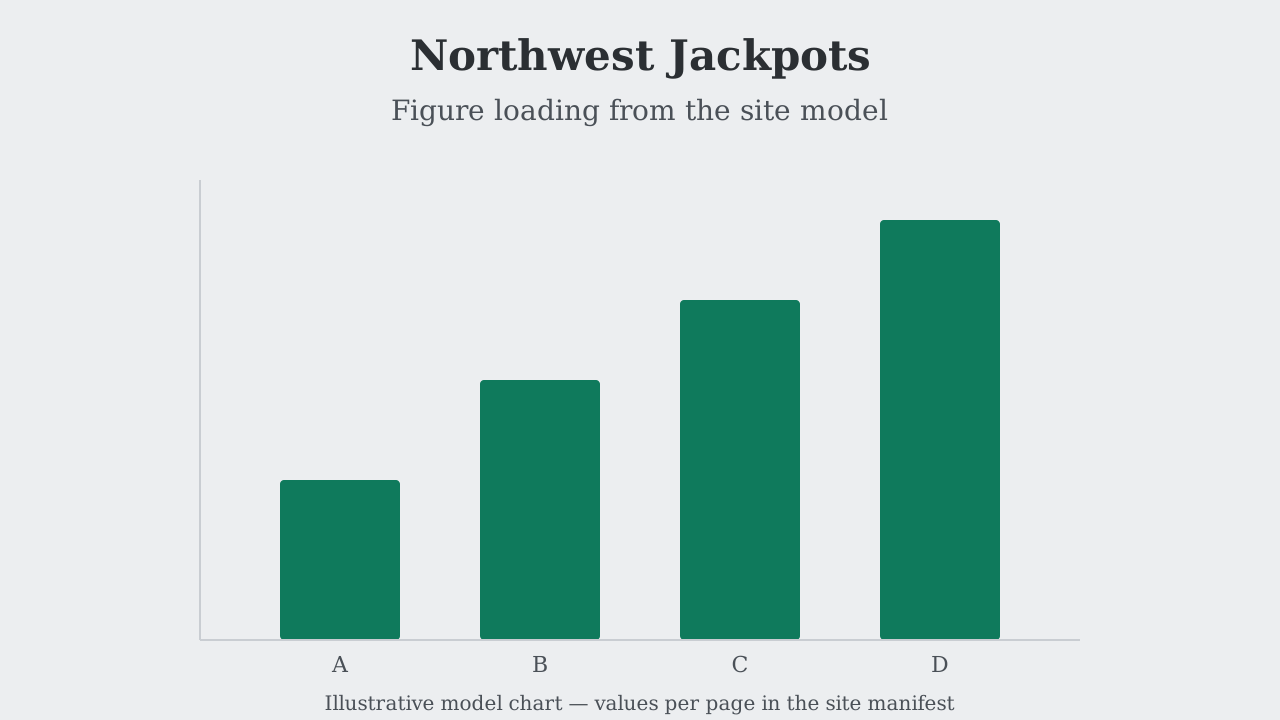
Read the chart from left to right and the hierarchy is clear. Blackjack under a standard six-deck, dealer-stands-on-17, three-to-two payout rule set sits at roughly half a percent for a player following basic strategy. Baccarat’s banker bet sits at about one point zero six percent after commission. European roulette, with its single zero, sits at two point seven percent flat across every bet on the layout. Those three figures are the backbone of live table selection, and every other number on this page either follows from them or qualifies them.
The qualifications matter as much as the backbone. Blackjack’s half a percent assumes basic strategy, which means every hand played by the book: hitting, standing, doubling and splitting according to a fixed chart, no hunches, no insurance, no deviations. A casual player who makes three or four strategy errors per hour drifts toward one and a half or two percent, which triples or quadruples the cost of the same entertainment. The chart is one page long, it is free, and there is no honest argument against learning it before playing for money. Baccarat’s figure assumes banker bets only; the player bet costs slightly more, and the tie bet, at over fourteen percent, is one of the worst wagers on any casino floor of any kind. Roulette’s figure assumes a European wheel; the American variant’s second zero lifts the edge to five point two six percent, nearly double, for a game that otherwise plays identically.
Turn these figures into money and the live premium becomes visible. On the session modelled later in this page, two pounds a stake, ten pounds of turnover per session at the assumed pace, the expected cost differs by only pennies between the three games. Stretch the horizon and the difference compounds. An evening of five hundred pounds of total staking costs two pounds and fifty pence in expectation at correct blackjack, five pounds and thirty pence at banker-only baccarat, thirteen pounds and fifty pence at European roulette, and twenty-six pounds at an American wheel nobody should have sat down at. The games are not interchangeable, and no promotion, stream quality or dealer charisma changes that ordering.
Side bets deserve their own paragraph because they are the sharpest edges in the live lobby. Perfect pairs, insurance, the baccarat dragon wagers, the roulette racetrack specials: these carry edges commonly in the five to fifteen percent range under typical rules, and their high headline payouts do heavy promotional work for the studio. A side bet is a separate wager with a separate, much worse price, not a garnish on your main bet. The rule this page applies is simple: price every wager you actually place, and if a wager’s edge is not published in the game’s information panel, treat its absence as information in itself.
One honest caveat completes the picture. House edge is a long-run expectation, not a per-session outcome. A hundred hands of blackjack can end well up, well down or anywhere between, because variance dominates over short samples. The edge describes what a thousand evenings of play converge toward, and it is the only tool that lets one table be compared with another honestly. Readers who want to understand the shape of short-session swings will find that worked through in the next section, because bankroll planning is variance management, not edge management.
The session maths: bankroll, stake and time
The calculator below is set to a modest, repeatable case: a two-hundred-pound bankroll, two-pound stakes, an assumed house edge of four percent across the session’s play and ten sessions of play in view. Four percent sits deliberately above the best table edges described above, because it is a realistic blended figure once side bets, occasional rule variations and human error are priced in. Change any input and the model recalculates the expected cost per session and the risk the bankroll carries across the series.
Bonus calculator
Expected cost across 10 sessions: £32.
Model assumptions: the multiplier applies to the bonus amount, a house edge in line with popular titles is charged against the staking, and the cap truncates convertible winnings. Adjust the inputs to price your own case.
Worked at the defaults, the model produces a figure that surprises most readers by its smallness. Two-pound stakes across a session’s rounds generate perhaps one to two hundred pounds of total staking depending on pace, and at a four percent edge the expected cost of a single session runs from four to eight pounds. Across ten sessions the expected cost runs to tens of pounds, not hundreds. That is the honest price of the entertainment, and it is far below what most players actually lose, because the losses most players experience come not from the edge but from stake drift: the slow, unnoticed climb from two-pound stakes to five-pound stakes as a session wears on and the early results blur.
Stake drift is the single most expensive behaviour in live play, and it is worth describing precisely. Live tables are designed to make raising the stake effortless: the chip denominations sit one tap apart, the previous bet re-places with a double-tap, and the dealer’s pace carries you through decisions at a speed that discourages recalculation. A player who starts at two pounds and clicks up a denomination every twenty minutes has quadrupled their stakes in an hour, and with them their exposure to the edge. The defence is structural rather than moral: set the stake level before the session, fix it in writing if necessary, and choose a table whose minimum makes your chosen stake possible. A two-pound stake plan cannot survive at a table with a ten-pound floor, so the table choice is the stake choice.
Bankroll sizing follows from the same logic. A two-hundred-pound bankroll supporting two-pound stakes carries roughly a hundred units, which is comfortable for even-money games and thin for high-variance ones. Roulette’s single-number bets, blackjack’s doubling and splitting requirements and baccarat’s tie chasing all demand units the bankroll cannot repeatedly fund. The practical rule this page applies: a bankroll should hold at least fifty units for even-money play and at least a hundred for anything with wider swings, and a player who cannot meet that threshold should lower the stake rather than shorten the bankroll’s life by betting large. The model above exists to make that trade visible before the deposit, not after the third rebuy.
Time deserves the same treatment as money, because at live pace the two are the same thing. The slower round rate means the edge consumes your bankroll more slowly per hour than digital play, which is genuinely protective for a fixed entertainment budget, but it also means a longer calendar of play for the same turnover. Ten sessions at live pace might span a month of evenings; the same staking on digital tables could complete in a weekend. Readers using deposit limits and session reminders, which every licensed British site must offer, should set those limits against the calendar, not just the wallet, because the live format is unusually good at making an evening disappear.
The final input to interrogate is the sessions figure itself. Ten sessions at the modelled cost is a modest entertainment line. Thirty sessions triple it. The model’s purpose is not to predict any individual evening, which variance decides, but to let you see the shape of your own commitment before you make it. A reader who runs the numbers and finds the total uncomfortable has learned something useful at zero cost, which is the best trade available anywhere on this page.
Roulette, blackjack and baccarat: the three tables compared
The live lobby arranges dozens of tables under a handful of games, and three of those games carry nearly all the traffic. Each rewards a different temperament, and the honest way to choose among them is to understand what each one asks of you and what each one costs under its best available rules. This section walks the three in turn, with the child guides on this site covering each in far greater depth.
Roulette is the simplest to play and the most expensive to play badly. Every bet on a European layout carries the same two point seven percent edge, so the layout position is a pure choice of volatility: even-money bets grind gently, single numbers swing violently, and neither changes the expected cost. The live format adds a wrinkle the digital game lacks: betting windows. A live round opens for bets, closes them several seconds before the spin and will not accept a late chip, so play happens at the table’s tempo rather than yours. The variants worth knowing are few: European with its single zero as the baseline, French rules where they are offered, with the la partage rule roughly halving the even-money edge to one point three five percent, and the American wheel, which this page’s guide treats as a table to walk past. Lightning-style multiplier variants deserve a specific caution: they add random boosted payouts to a minority of numbers and recoup the cost through a higher effective edge on the layout, so their side-show appeal should be priced before play, not after.
Blackjack is the cheapest game on the floor for the player willing to learn, and among the more expensive for the player who will not. Basic strategy is not optional at the level of pricing: it is the difference between roughly half a percent and several times that. The live format changes little about the strategy itself but much about the texture: other players’ decisions slow the game, splitting and doubling gestures happen through the interface, and the shoe’s penetration, the fraction of cards dealt before a shuffle, is fixed by the supplier rather than negotiated by the table. Rule variations to check before sitting: the payout on a natural, where three to two is standard and six to five nearly doubles the edge against you; whether the dealer hits or stands on soft seventeen, with hitting costing the player a few tenths of a percent; and the number of decks, with fewer decks marginally favouring the player. All three are printed in the table’s information panel, and checking them takes ten seconds that repay themselves every round.
Baccarat is the least demanding and most misunderstood of the three. The rules require no decisions after the bet: cards are drawn by fixed tableaux, and the player’s entire role is choosing among three wagers. Two of them are good. Banker at one point zero six percent after commission is among the best bets in any casino; player at one point two four percent is close behind. The third, the tie at over fourteen percent, is a wager to decline permanently, and the roads, the coloured bead trails of past results that dominate the baccarat interface, have no predictive power whatsoever. Each coup is independent; the roads record history and nothing more. The live format suits baccarat well because the pace is unhurried, the minimums at entry tables are often the lowest in the live lobby, and the absence of decisions removes the fatigue that degrades blackjack play in long sessions.
Set side by side, the three games divide cleanly. Blackjack pays the player for preparation and punishes improvisation. Roulette charges a flat rate and sells volatility, making it the purest vehicle for players who want swings and accept the price. Baccarat asks nothing and costs a little more than perfect blackjack and a little less than competent roulette, which makes it the honest default for a relaxed evening. No ordering among them is universal, but the price ordering under correct play is stable: blackjack first, baccarat second, roulette third, and the multiplier and side-bet variants trailing well behind all three.
Table limits, side bets and etiquette
Every live table publishes a minimum and maximum stake, and the range between them tells you who the table is for. Entry tables commonly open at fifty pence to one pound on roulette and baccarat, and around a pound to five pounds on blackjack, rising through mid-tier rooms at five to twenty-five pounds to VIP tables whose floors start where mid-tier tables end. The limits are set by the supplier and mirrored across every operator that carries the same stream, so shopping between sites for a better limit on an identical table is wasted effort. What varies between operators is the range of tables carried: a larger operator typically stocks more entry-level rooms, which matters to a small-stake player far more than any other difference between brands.
The maximum deserves attention for the opposite reason. Table maxima are not a ceiling on your ambition; they are a boundary the house sets for its own risk management, and they interact with betting systems in a way system-sellers rarely mention. Any progression that doubles after losses, the family of martingale-style plans that recur in comment sections forever, collides with the table maximum after a losing streak of predictable length, at which point the system’s next required bet cannot be placed and the accumulated losses stand. The mathematics is unchanged by the system: the edge applies to every stake, and a plan that concentrates risk into rare, catastrophic sequences is not safer than flat staking, merely less pleasant when it fails. This page’s position, stated plainly: flat staking at a fixed, affordable level is the only plan that makes a session’s cost predictable.
Side bets at live tables follow the pattern described earlier but deserve concrete examples. Blackjack’s perfect pairs and twenty-one plus three wagers commonly carry edges in the three to ten percent range under typical paytables. Baccarat’s pair and dragon wagers run higher, with some dragon paytables pricing the bet above ten percent. Roulette’s neighbour and racetrack bets are not side bets at all, merely convenient groupings of standard bets at the standard edge, which is worth knowing because the racetrack interface makes special wagers look exotic when they are ordinary. The general rule holds across all of them: the main game is the priced product, the side panel is the upsell, and the information panel discloses the paytable that proves it.
Etiquette in the live format is thin but real. Dealers see your chat messages and, at quieter tables, respond between rounds; abuse directed at a dealer is reported and can end an account. Other players’ seats in blackjack are shared at many tables, so slow decisions hold up the shoe for everyone, which is both a courtesy consideration and a practical one: taking the full decision clock every hand draws quiet resentment and, at busy tables, may get your seat reassigned. Tipping exists at some tables through an on-screen control and is entirely optional. None of this affects the mathematics. All of it affects whether an evening is pleasant, which, given that the entertainment is the point, is not nothing.
One structural note completes the section. Seating models differ by game: roulette and baccarat are unlimited-seat games where every player bets on the same outcome, while blackjack seats are finite and busy tables fill up. Suppliers address the blackjack crowding with unlimited-player formats, sometimes branded distinctly, where every player shares the same dealt hand and makes an independent decision on it. Those formats resolve the seat problem at the cost of a subtle change in feel: your hit or stand applies to the communal cards, and a poor collective decision ends the hand for everyone. Players who dislike that dynamic should look for dedicated tables, and should expect to pay a higher minimum for the privacy.
Studios, streams and the mobile data bill
The technical layer of the live casino is more consequential than it sounds, because a stream that buffers at the wrong moment is not an inconvenience but a breach of the game: a bet placed on a frozen picture, a round whose outcome arrives late, a connection that drops mid-hand. Suppliers run their studios with redundant connections and the operator’s interface holds your bet server-side, so a drop does not usually lose money, but it can eject you from a round you had already staked. The practical guidance is unglamorous and effective: play on the most stable connection available, prefer wi-fi to mobile data for long sessions, and treat a studio’s stream latency as part of its quality.
Data consumption is the hidden cost of mobile live play, and it is larger than most players expect. The figure varies with the stream quality the interface serves, but a reasonable model at this end of the market runs to roughly seven hundred megabytes per hour at standard definition, rising toward two gigabytes at high definition and beyond that at the sharpest settings. Three hours of HD live roulette on a mobile connection can therefore consume a substantial slice of a monthly data allowance, and players on capped plans should either drop the stream quality in the settings, which most interfaces allow, or confine live play to wi-fi. The model numbers here are assumptions about typical streams; your interface’s own settings menu states what it is serving, and reading it once is cheaper than an excess data charge.
Latency differs from bandwidth and matters more to gameplay. A studio’s stream typically runs several seconds behind the physical table, and the interface compresses that gap differently by supplier: some interfaces settle instantly against the sensor-read result, others wait for the human dealer’s call. Neither approach is wrong, but the difference is visible when switching between suppliers, and a player who finds one studio’s settlement rhythm confusing should try another before concluding the problem is theirs. Camera coverage is a similar quality marker: the better studios offer multi-angle views, replay of the last spin or hand, and a clear bet-before-close countdown, while the thinner productions offer a single fixed camera and a bet window that closes with little warning.
Suppliers matter because the same game differs by studio. The major names supply most of the market, and their rule sets for equivalent games are broadly similar, but the presentation varies: the number of tables, the quality of the dealers’ training, the pace of the rounds, the clarity of the interface, and the depth of the game-show style variants that now occupy a large share of every live lobby. Those variants, the wheel and dice shows with multipliers and bonus rounds, are entertainment products with edges that are generally worse than the classic tables and often unpublished in the lobby. This page’s stance on them is consistent: they are a legitimate purchase for players who enjoy them, and an expensive habit for players who chose them believing the classic-table edges apply. The information panel discloses the difference; the lobby does not.
Device choice rounds out the practical picture. The interfaces are built mobile-first, and on a phone the layout collapses sensibly: the stream in one pane, the betting grid below, chat minimised. Desktop offers the multi-angle views at full size and the racetrack betting layouts that phones squeeze. Tablets sit between. None of these differences change the game, but the small-screen versions of roulette’s racetrack and baccarat’s roads are genuinely harder to read, and readers who intend to play those layouts seriously should try the desktop view once before settling on a phone as their primary device.
Operator comparison: what the ranges look like
The table below sets category-typical ranges across a spread of operators serving the British market and the offshore market alongside it. Every figure is a range drawn from operator-published terms at the time of writing, not a quote of any single promotion, and no row should be read as the stated offer of the named brand on the day you read this. The UKGC rows are the British baseline shown for comparison. Check live terms with the operator before depositing; the table exists to show the shape of the market, and shapes change.
| Brand | Licence label | Welcome offer range | Wagering | Minimum deposit | Payout window | Payment rails |
|---|---|---|---|---|---|---|
| LeoVegas | UKGC | Matched credit to £100 range | Commonly 30–40x | £10 | 1–3 days | Debit card, PayPal, bank transfer |
| Mr Vegas | UKGC | Matched credit with spin bundle | Commonly 30–40x | £10 | 1–2 days | Debit card, Trustly, bank transfer |
| PlayOJO | UKGC | Spin bundle, no-wagering style | Often none on spin wins | £10 | 1–2 days | Debit card, PayPal, bank transfer |
| Unibet | UKGC | Matched credit to £50–£100 range | Commonly 30–50x | £10 | 1–3 days | Debit card, PayPal, Apple Pay, bank transfer |
| 32Red | UKGC | Matched credit to £150 range | Commonly 30–50x | £10 | 1–3 days | Debit card, PayPal, bank transfer |
| Grosvenor Casinos | UKGC | Deposit match to £50 range | Commonly 5–20x | £10 | 1–3 days | Debit card, PayPal, bank transfer |
| Mystake | Offshore | Multi-tier match to £1,000 range | Commonly 30–40x | £20 | 0–2 days | Debit card, e-wallets, crypto, bank transfer |
| Goldenbet | Offshore | Match package with recurring reloads | Commonly 35–45x | £20 | 0–2 days | Debit card, e-wallets, crypto |
| Rolletto | Offshore | Multi-tier match package | Commonly 35–45x | £20 | 0–2 days | Debit card, e-wallets, crypto |
| Donbet | Offshore | Match package with free spins | Commonly 35–45x | £20 | 0–2 days | Debit card, e-wallets, crypto |
| Kinghills | Offshore | Multi-tier match to high four figures | Commonly 35–50x | £20 | 0–2 days | Debit card, e-wallets, crypto |
| NineWin | Offshore | Match package with spin bundles | Commonly 35–45x | £20 | 0–2 days | Debit card, e-wallets, crypto, bank transfer |
Two stories run through the table at once. The UKGC rows show a market of modest headline offers, wagering that ranges from light to standard, a ten-pound entry floor and payout windows measured in days under published processing commitments. The offshore rows show larger headline matches, heavier wagering, a higher entry floor and payout speed that depends on the rail rather than the operator. Neither column is uniformly preferable. The British baseline buys the regulator’s protections and gives away headline size; the offshore column buys headline size and gives away the protections, a trade the next section writes out in full.
For live play specifically, the table’s most relevant column is payment rails rather than welcome offers. Live sessions at two-pound stakes are not funded by a one-time welcome bonus; they are funded by repeat deposits, and repeat deposits favour operators whose minimums are low and whose rails clear instantly. A reader planning small, regular live play should weigh the minimum deposit column and the rail list above the welcome column, which is nearly the reverse of how welcome-led reviews read the same table.
Note also where the columns converge. Table limits do not appear in the table because they barely vary: the same studio streams set the same limits across every operator, licensed and offshore alike, so the table you sit at in the licensed column is, in its rules and its edges, the same table the offshore column carries. The genuine differences between the two halves of this market sit in the deposit, the withdrawal, the dispute route and the promotions, not in the wheels and shoes. That fact should sharpen rather than blur the comparison, because it means the choice between columns is a choice about money handling and protection, with the gameplay identical on both sides.
The licence question, stated in the open
With the aside on the record, the comparison can proceed on the merits. Licensed British operators carry live tables supplied by the same studios their offshore counterparts use, at the same rules and the same limits, because the supplier sets the product in both cases. What the British licence changes is everything around the table. Deposit limits are a licence condition, not an option. Reality checks and session reminders must be offered. Withdrawals must be processed without unreasonable delay under the licence conditions. Disputes escalate through a documented route to independent adjudication, free at the point of use. Winnings are not taxable, a fact that holds for British players whatever the operator’s licence, but the accountability structure behind the balance differs sharply between the two columns of the table above.
The practical consequence for live play specifically concerns pace. Live sessions are long and funds move in and out of the balance continuously as rounds settle, which makes the account a live financial instrument rather than a wallet checked twice a week. On a licensed site the balance’s protection, the deposit limit and the session tools all apply continuously through the session. On an offshore site the same instruments exist only if the operator has chosen to build them, and their enforcement has no British backstop. A reader who plays long live sessions should weigh that continuity more heavily than a reader who plays short digital bursts, because the exposure window is wider and the tools that govern it are the ones the licence guarantees.
Self-exclusion deserves its boundary stated once more, plainly. GamStop covers operators licensed by the Commission and nothing beyond them. A reader who has registered a self-exclusion and then deposits offshore has stepped outside the exclusion they set, which is a fact about the tool’s reach rather than a moral observation, and it is a boundary every reader should understand before it matters. Anyone relying on self-exclusion should treat the licensed column of the table as the full extent of their safe field, and this page will not assist with stepping beyond it.
Live tables and bonuses: the weighting problem
Welcome offers and live tables interact through a clause most readers meet too late: game weighting. A matched bonus’s wagering requirement is cleared by staking on qualifying games, and qualifying games are weighted, with slots contributing fully and most table games contributing a fraction or nothing. Live dealer games sit at the harsh end of that scale. Offers of this kind commonly weight live tables at ten percent or lower, and a great many exclude them from wagering altogether, because the low house edge and the slow pace make live play a cheap way to clear a requirement if it counted in full.
Run the arithmetic and the exclusion becomes concrete. On the standard case modelled across this site, a hundred-pound bonus at forty times carries four thousand pounds of staking. Cleared on slots at full weighting, that is four thousand pounds of spinning. Cleared on live blackjack at a ten percent weighting, the same requirement demands forty thousand pounds of table staking, which at live pace is not a weekend’s play but a season’s. Cleared on live tables excluded outright, the requirement does not move at all while you play, and any winnings generated in the meantime may be forfeited under the bonus’s terms. The lesson lands with weight: a player whose intended play is live tables should read the weighting schedule before accepting any matched offer, because the offer may simply not be designed for them.
The offers that do suit live players exist and are worth describing. Cashback promotions, which refund a share of net losses, usually apply across all games including live tables and carry no wagering on the refund, which makes them the cleanest live-friendly promotion in the market. Losses-back deals at five to fifteen percent on the week’s net, credited as withdrawable cash, price far better for a live player than a matched bonus whose wagering their play cannot clear. Some operators also run table-specific promotions, leaderboard competitions on selected live games or dealer-hosted prize drops, whose terms are usually lighter than matched-bonus terms. The dedicated pages on this site covering cashback offers and low-wagering bonuses cost those products on the same assumptions as this page.
Where a live player does accept a matched offer, three clauses decide whether it is worth the trouble. The weighting schedule, which determines whether live play counts at all. The maximum bet while wagering, which commonly caps the stake at around five pounds and, on live tables where a round involves split or doubled bets, can be breached accidentally in ways that void the bonus; a stake plan comfortably below the cap is the defence. And the withdrawal trigger, since requesting a withdrawal before wagering completes usually forfeits the bonus and its winnings. A live player who clears none of the requirement through live play has accepted a bonus with no route to completion, which is the single most common way a table-game player wastes a promotion.
The honest summary for the section is that the live casino and the matched bonus are products built for different players. The slots market funds the headline offers, and the terms price live play accordingly. A reader whose evenings happen at the tables should treat cashback and no-wagering products as their natural promotions, and treat any matched offer as a contract to be read for its weighting schedule before the deposit clears. The welcome bonus hub on this site extends that reading to larger matches and reload structures, on the same stated assumptions.
How to choose a table worth your evening
The sections above supply the parts. This one assembles them into a sequence a reader can run in the ten minutes before an evening’s play, and the sequence is deliberately unromantic, because the choices that make a live session good are made before the stream loads and cannot be corrected afterward.
Step one: fix the stake and the session budget in advance, and derive them from the bankroll rather than the mood. The calculator above prices a default case; run your own. A bankroll carrying at least fifty units for even-money play, a stake level set before the deposit, and a session length that the calendar, not the balance, decides. Live pace makes time the real currency of the evening, and the operators’ session reminders, a licence condition on the British side of the comparison table, are there to keep the calendar honest.
Step two: choose the game before the room. The edges differ by an order of magnitude across the lobby, and the ordering is stable: correct-play blackjack first, banker-only baccarat second, European roulette third, everything with a side-show multiplier and everything American trailing behind at a price worth declining. Read the rule panel of the specific table before sitting: the payout on naturals, the dealer’s soft-seventeen behaviour, the wheel’s zero count. Ten seconds of reading prices the whole evening.
Step three: choose the table within the game, and let the limits do the choosing. An entry table whose minimum matches your stake plan, a dealer pace you find comfortable, a camera arrangement you can read on your device of choice. On mobile, drop the stream quality if the data plan is capped, and prefer wi-fi for anything longer than a few rounds. If the interface confuses you on one supplier’s tables, try another before assuming the fault is yours, because the settlement rhythms genuinely differ between studios.
Step four: check the promotion situation once, not repeatedly. If a matched bonus is attached to the account, confirm the weighting schedule before playing a live round, because an accidental wager on an excluded table can complicate the bonus’s terms. If no bonus is attached, decline the offers tab and play on the cash balance, where every pound staked is priced exactly by the game’s edge and nothing is forfeitable. For most live players the cash balance with a good cashback arrangement is the best product on the site, and no welcome tab changes that.
Step five, the one this page cannot perform for you: weigh the licence question with the aside’s list in front of you. If the answer settles on the licensed column, the deposit limits, the disputes route and the session tools come with the account. If it settles the other way, the aside’s trade-offs are the price, and they should be paid knowingly. Both decisions are the reader’s. This page’s whole argument is that they should be made before the deposit rather than after the first withdrawal request, because that is the only moment at which the information is still free.
Run the five steps and the evening is set up to be what the format does best: a transparent game at a known price, at a pace that lets a fixed entertainment budget last. The tables will decide the outcomes, and variance will decide the evening. The setup decides everything else, and it is entirely in your hands.
Frequently asked questions
What is the house edge at live casino tables?
Under typical rules, correct-play blackjack sits at roughly half a percent, baccarat’s banker bet at about one point zero six percent and European roulette at two point seven percent. The specific table’s rule panel can shift these figures, and side bets carry far worse edges, commonly five percent and above. The edge is set by the game’s rules, not by the operator you joined.
Do live dealer games count toward bonus wagering?
Usually only at a small weighting, commonly ten percent or less, and many offers exclude live tables entirely. A requirement cleared on live play at a ten percent weighting demands ten times the printed staking in real bets. Read the weighting schedule in the bonus terms before accepting any matched offer if your play is concentrated at the tables.
Is live blackjack rigged in any way?
On a properly run stream the outcome is physical: real cards from a real shoe, filmed on camera. The rules are set by the supplier and the edge they produce is published mathematics. The practical checks are the rule panel, the supplier’s reputation and the operator’s licence, and the licensed British baseline requires certified equipment and audited procedures.
Why are live table minimums higher than digital ones?
A live table carries the cost of the studio, the dealer and the stream, so the floor per table is higher, typically fifty pence to a pound at entry tables against ten pence or lower on digital equivalents. The edge is not higher to compensate, which means the live premium shows up in the entry price rather than the game’s mathematics.
How much mobile data does an hour of live play use?
On the model used here, roughly seven hundred megabytes per hour at standard definition, rising toward two gigabytes at high definition. Most interfaces allow the stream quality to be lowered in settings, and readers on capped data plans should prefer wi-fi for long sessions. The exact figures depend on the supplier’s stream settings.
Can betting systems beat a live roulette table?
No. The edge applies to every stake regardless of the staking pattern, and progression systems merely concentrate risk into rare sequences that end at the table maximum or the bankroll’s edge. Flat staking at a fixed, affordable level is the only plan that makes a session’s cost predictable, and no system changes the expected cost of the game itself.
What happens if my connection drops mid-hand?
Your bets are held server-side, so a drop does not usually lose a placed stake: the round settles against the physical result and the balance updates when you reconnect. The risk is missing a round you intended to play or a decision window in blackjack. A stable connection is part of the game’s infrastructure, not a luxury.
Are offshore live casino sites different in gameplay?
The tables themselves usually come from the same studios, at the same rules and limits, so the wheel and the shoe behave identically. The differences sit around the table: deposits, withdrawals, dispute resolution, self-exclusion coverage and promotional terms. The licence aside on this page sets out precisely what the offshore route gives up.
Which live game is best for a beginner?
Baccarat is the simplest: one bet to choose, no decisions after it, and a banker bet costing about one point zero six percent. Roulette is nearly as simple with the same edge on every bet. Blackjack costs the least in expectation but only for a player who has learned basic strategy, which makes it the best second game rather than the best first one.
Do I pay tax on live casino winnings?
No. Gambling winnings for a consumer are not taxable in the United Kingdom; gambling duty is levied on the operators. This holds whatever the operator’s licence, so a withdrawal from either column of the comparison table arrives without a tax bill attached.
What are the road maps in baccarat actually showing?
The coloured trails record past results and nothing more. Each coup is an independent event, and no pattern in the roads changes the probability of the next one. The banker bet’s edge is identical whether the last ten results ran banker, player or alternating, and the roads are best read as history display rather than guidance.