Live Dealer Casinos
A live dealer table is the only place online where the house edge is small enough to be worth knowing precisely and the betting pace is fast enough to make that precision matter. Blackjack at around half a percent, baccarat banker bets at about one percent, roulette at 2.7% on the European wheel: on those numbers, a two-pound stake cycled through a two-hundred-pound bankroll costs a predictable amount per session. This page works the arithmetic, prices the data bill that streaming adds, and names the licence trade every table sits inside.
Live dealer games of this kind are typically played with a house edge between roughly half a percent and three percent depending on the game and the bet chosen, and streaming them consumes mobile data at a rate worth planning for before the first hand. Assumptions behind every figure on this page are stated in the text; verify the current terms, limits and rules on the operator’s own table information panel before playing.
Terms change often. Verify the current terms on the operator’s own page before depositing. Scores are editorial.
8.2/10See offer terms
8.0/10See offer terms
7.8/10See offer terms
7.5/10See offer terms
What live dealer actually means, and what it changes
A live dealer casino streams a real table from a studio or a casino floor: a human dealer, physical cards or a physical wheel, and a betting interface laid over the video. Nothing about the outcome is generated by software. The cards are shuffled by a machine or a person, the wheel spins under a camera, and the result you see on screen is the result that happened. That single fact separates this category from every random number generator game in the lobby, and it produces consequences most players feel before they can name them.
The first consequence is pace. A round of online blackjack against software takes seconds. A round at a live table takes the time the dealer needs: dealing, waiting for decisions, settling the layout, collecting cards. Multiply that slower cycle across an evening and the number of hands per hour falls far below the machine equivalent. For the player this is not a small detail, because expected cost is edge multiplied by turnover. A slower table at the same stake is a cheaper table at the same edge, and the difference compounds over a session in the player’s favour.
The second consequence is verifiability. When the dealer reveals a card, you can see it. There is no trust question about the algorithm, only about the broadcast and the studio’s procedures. Studios publish shuffle procedures, deck counts and table rules on the information panel; reading that panel before sitting down is the live-table equivalent of reading a bonus terms page, and most players skip it for the same reason.
The third consequence is the one this page prices most carefully: the stream itself costs money. Video at high definition consumes data continuously, whether you are in a hand or waiting for one, and on a mobile connection that cost is real. A later section puts numbers on it. First, the arithmetic of the session itself, because the edge at a live table is the smallest you will meet anywhere online and it deserves exact treatment.
The session maths, costed per sitting
The calculator below runs the standard session model used across this site: a two-hundred-pound bankroll, two-pound stakes, a four percent house edge assumption and ten sessions. That edge is deliberately set above any live table’s true edge, because the model is a conservative planning figure rather than a quote from a specific game; a later paragraph replaces it with the live figures and shows what the difference means in pounds.
Bonus calculator
Expected cost across 10 sessions: £32.
Model assumptions: the multiplier applies to the bonus amount, a house edge in line with popular titles is charged against the staking, and the cap truncates convertible winnings. Adjust the inputs to price your own case.
The model’s four steps are simple. It divides your bankroll by your stake to find the number of bets you can place before the money runs out at expectation. It multiplies the stake by the house edge to find the expected cost of each bet. It multiplies that per-bet cost by the number of bets to find the expected cost of one session. It then repeats across the number of sessions you set and shows the total expected cost against the starting bankroll.
At the defaults: a two-pound stake at a four percent edge costs eight pence per hand in expectation. A two-hundred-pound bankroll funds one hundred bets at that stake, so a single session carries an expected cost of eight pounds, and ten sessions cost eighty pounds of your two hundred in expectation. That is the conservative machine-game assumption. Now swap in the live figures, because this page exists to show what the live table changes.
| Input | Value | Effect on the model |
|---|---|---|
| Bankroll | £200 | Sets the number of bets at the chosen stake |
| Stake | £2 | One hundred bets before the bankroll is spent at expectation |
| House edge assumption | 4% | 8p per bet, £8 per session, £80 across ten |
| Live blackjack, basic rules | ~0.5% edge | 1p per bet, £1 per session, £10 across ten |
| Baccarat, banker bet | ~1.06% edge | ~2p per bet, ~£2 per session, ~£21 across ten |
| European roulette | ~2.7% edge | ~5p per bet, ~£5 per session, ~£54 across ten |
| American roulette | ~5.3% edge | ~11p per bet, £11 per session, £106 across ten |
| Baccarat, tie bet | ~14% edge | ~28p per bet, £28 per session, £280 across ten |
| Slower live pace | Roughly half the hands per hour | Halves expected cost per hour at the same stake |
The table tells one story: the gap between bets is enormous. Choosing a live blackjack table with standard rules over the tie bet in baccarat changes the expected cost of the same two-pound stake by a factor of more than twenty. No bonus, no loyalty scheme and no cashback promotion available at any operator on this page buys back a margin that wide. Game selection is the whole decision, and it is made at the table information panel before the first card is dealt.
The pace row deserves its own reading. A live table running at roughly half the hands per hour of the software equivalent halves the expected cost per hour of play at the same stake, even though the expected cost per bet is identical. If what you want from an evening is time at a table rather than a fixed number of decisions, the live format is the cheaper product on any of the mainstream bets. If you want maximum turnover, it is the dearer one. Knowing which of the two you actually want settles the format question more honestly than any studio comparison.
One caveat holds throughout: expectation is not a forecast. A ten-session plan with an expected cost of ten pounds can end anywhere between a total loss and a large winning run, because variance at half-percent edges is far wider than the expectation itself. The model prices the long run. It does not predict your Tuesday night, and any page that claims to is selling something.
Studios, streams and the data bill
The live market is supplied by a small number of studio networks, and most operators, licensed and offshore alike, draw from the same pool. That is why the lobby of one British site looks so much like the lobby of another: the same game shows, the same roulette tables, the same blackjack variants with different table names. Genuine differences sit in the table limits, in whether an operator runs dedicated or branded tables, and in the streaming infrastructure, which matters more on mobile than marketing suggests.
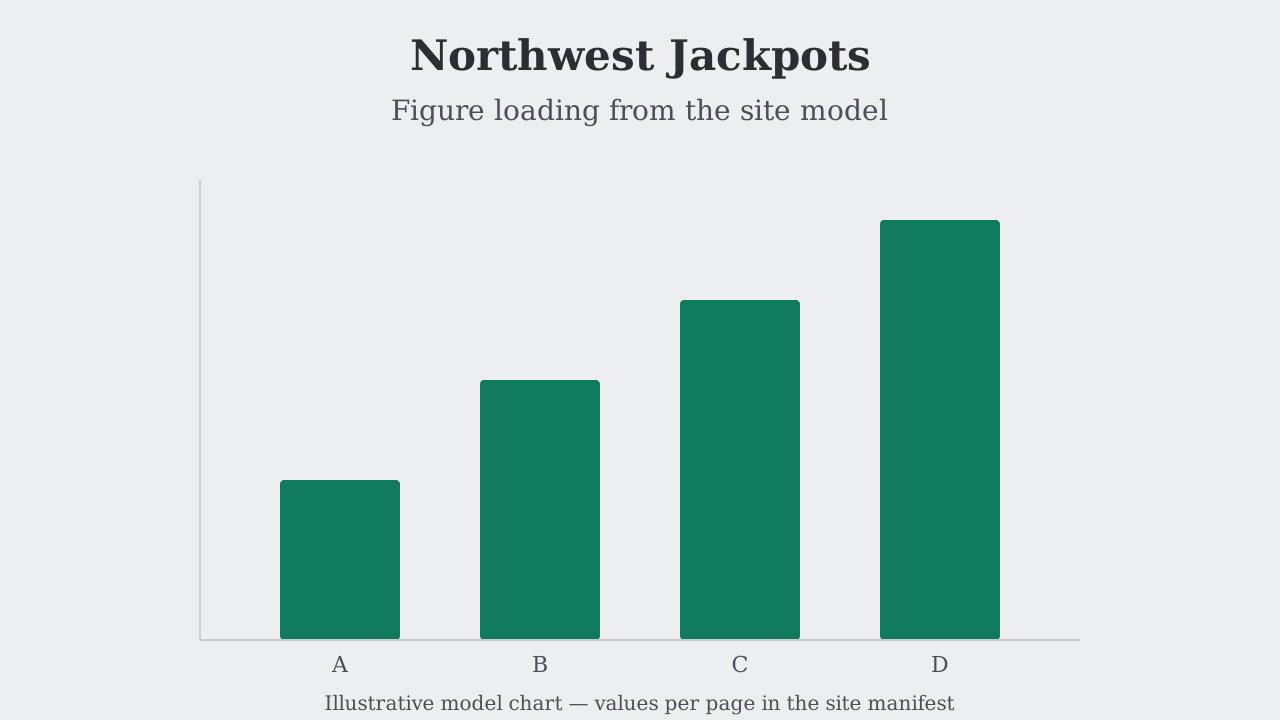
The chart states the model in megabytes per hour. Standard definition sits at around seven hundred, high definition at around one thousand eight hundred and full HD at around three thousand. On a home broadband connection these figures are irrelevant. On a mobile data allowance they are the single largest hidden cost of the category: a month of evening sessions at full HD can consume a sizeable slice of a typical allowance before a single bet is counted. Lowering the stream quality in the video settings does not change the game, the odds or the outcome. It changes only the picture, and the data bill with it.
Connection quality also shapes the experience in a second way that has money attached. A dropped stream mid-hand is not a lost stake, since the table settles the hand on its own record rather than on your screen, but a laggy stream leads to late decisions in games where timing matters, and to mis-clicks in fast betting windows. Playing live tables on a stable connection is not a comfort preference. It is part of playing well.
Studio selection, in the end, matters less than the table rules displayed in each lobby. Two roulette streams from different networks with the same European wheel are the same game. Two blackjack tables from the same network with different rules on dealer soft seventeen or on surrender are not, and the information panel states which is which. Read the panel; the chart above is the model for the bandwidth, the panel is the truth for the edge.
Category comparison: what the ranges look like
The table below sets out category-typical ranges across a spread of sites serving the British market and the offshore market alongside it. Every figure is a range compiled from operator-published terms, not a quote of any single promotion, and no row should be read as the stated offer of the named site on the day you read this. Check the live terms before depositing. The UKGC rows are the British baseline shown for comparison.
| Brand | Licence label | Welcome offer range | Wagering | Minimum deposit | Payout window | Payment rails |
|---|---|---|---|---|---|---|
| Mr Vegas | UKGC | Match package with spins | Commonly 35–40x | £10 | 1–3 days | Debit card, PayPal, Trustly, bank transfer |
| PlayOJO | UKGC | Spin bundle, no wagering style | Often none on spins | £10 | 1–3 days | Debit card, PayPal, Apple Pay, bank transfer |
| LeoVegas | UKGC | Match package with spins | Commonly 30–40x | £10 | 1–3 days | Debit card, PayPal, bank transfer |
| Virgin Games | UKGC | Low-value play credit | Often under 10x | £10 | 1–2 days | Debit card, PayPal, bank transfer |
| Casumo | UKGC | Match package with spins | Commonly 30–40x | £10 | 1–3 days | Debit card, PayPal, Trustly, bank transfer |
| 32Red | UKGC | Match to £150 range | Commonly 30–50x | £10 | 1–3 days | Debit card, PayPal, bank transfer |
| Mystake | Offshore licence — verify on register | Multi-tier match to £1,000 range | Commonly 30–40x | £20 | 0–2 days | Debit card, e-wallets, crypto, bank transfer |
| Goldenbet | Offshore licence — verify on register | Match package with recurring reloads | Commonly 35–45x | £20 | 0–2 days | Debit card, e-wallets, crypto |
| Donbet | Offshore licence — verify on register | Match package with free spins | Commonly 35–45x | £20 | 0–2 days | Debit card, e-wallets, crypto |
| Rolletto | Offshore licence — verify on register | Multi-tier match to £2,000 range | Commonly 40–45x | £20 | 0–2 days | Debit card, e-wallets, crypto, bank transfer |
Read the table as two markets described at once. The UKGC rows show modest headline offers, light-to-moderate wagering, a £10 entry floor and payout windows bounded by published commitments. The offshore rows show larger headline matches, heavier wagering, a £20 floor and faster rails with thinner recourse. Neither story is uniformly better, and the licence section below sets out exactly what the offshore rows leave behind. What matters is that the trade is made consciously rather than by whichever page surfaced first in a search result.
Note where the rows converge. On the game itself there is no convergence question at all: the same studio tables appear at both ends of the market, with the same rules and the same edges, because the studios licence their games to everyone. The difference between the two halves of the table lives entirely in the account around the table: the size of the welcome offer, the weight of its wagering, the speed of the payout and the strength of the recourse behind it. A player choosing between these rows on game quality is comparing identical products; the decision is actually about the wrapper.
The licence question at a live table
Why the licence matters more at a live table than almost anywhere else in the casino comes down to pace. A live session turns stakes over faster per hour than a player’s fingers alone would suggest: hands follow one another, the betting window reopens, and the total staked across an evening climbs well past what the same player would deposit through a machine lobby. Every pound of that turnover is money held by the operator between deposit and settlement. Under a British licence, that money sits within a fund protection regime and any dispute over a settled hand, a declined withdrawal or a closed account has a documented escalation route. Offshore, the same dispute depends on the operator’s policies and the issuing jurisdiction’s willingness to intervene.
A second practical note concerns the deposit rail at live-heavy accounts. Because live play concentrates turnover into sessions, deposit limits set under a British licence bite in a way players notice, and readers who find those limits restrictive should understand that their absence offshore is one half of the trade the aside describes. The other half is the enforcement of self-exclusion. A reader who has registered with GamStop should know that the registration does not reach operators outside the scheme, which is a boundary of the tool rather than a judgement on anyone using it. Both halves of that trade belong in the decision before the deposit, not after the first stalled withdrawal.
None of this changes the odds at the table. The European wheel spins the same under either wrapper. What the licence changes is what happens to the money around the spin, and that is where the practical risk lives.
Table limits, etiquette and the pace of play
Live tables publish their limits on the table card before you sit: a minimum and maximum bet per position, and often separate limits for side bets. Side bets carry edges far steeper than the main game, frequently in the double digits, and the tie bet in baccarat modelled earlier is the classic example. The practical rule that falls out of the session maths is to treat side bets as entertainment priced separately from the main game, and to keep the main position on the low-edge bets: blackjack under standard rules, banker in baccarat, and any even-money roulette position on a European wheel if roulette is the game of choice.
Etiquette at a live table is thinner online than in a physical room but not absent. The dealer cannot see you, yet the chat runs both ways, and the betting windows are timed for everyone at the table. Late bets are rejected rather than waved in, and repeated last-second staking slows the game for every other player. Sizing your stake before the window opens, deciding your moves for the standard blackjack totals in advance and keeping the chat civil are the whole of online table manners. They cost nothing and they keep the pace up, which, as the session maths showed, is the live format’s main financial advantage.
Bankroll structure is the last piece. Because live tables run slower, a two-hundred-pound bankroll at two-pound stakes lasts longer in hours than at a machine, which is precisely its appeal, and it also means losses arrive in smaller steps that are easier to ignore. Set the session length in hands or in minutes before the first bet, decide the stop-loss and the walk-away point in advance, and use the deposit limit and reality check tools the operator provides, which on a licensed site are a condition of the licence rather than a courtesy. The slower format rewards a plan, because it gives the plan time to work and gives variance more room to look like a plan that has failed. Expectation does not bend for anyone; the schedule around it is the part you control.
For readers moving on from here, the hub page on the wider live casino scene covers the games in depth, and the sibling pages on roulette, blackjack and baccarat each work the edge of one game in the same assumptions as this page, so a figure read here means the same thing there.
Frequently asked questions
Is the house edge lower at live dealer tables than online slots?
Usually, yes, substantially. Live blackjack under standard rules sits around half a percent and baccarat banker bets around one percent, while popular slots typically run a four percent edge or more. The comparison is per pound staked, so a slower live pace at the same stake costs far less per hour than a fast slot session.
How much mobile data does an hour of live casino use?
On the model used across this site, roughly seven hundred megabytes per hour at standard definition, about one thousand eight hundred at high definition and around three thousand at full HD. Lowering the stream quality in the video settings does not change the game or the odds, only the data consumed.
Are live dealer games fair?
The outcome is physical rather than software-generated: real cards, a real wheel, a human dealer on camera. Fairness questions concern studio procedures and the broadcast, both of which the table information panel documents. Licensed operators additionally operate under regulator oversight covering the games they offer.
Can I count cards at a live blackjack table?
Shoe penetration, frequent shuffles and deck counts published on the table card make counting largely impractical at live tables, and operators reserve the right to restrict play they judge advantageous. The safer framing is the one this page uses: choose low-edge bets and slow pace, and let those two decisions do the work counting was always meant to do.
What happens if my stream drops mid-hand?
The hand is settled on the table’s own record, not on your screen, so a drop does not forfeit a placed bet. The practical risk is missing a betting window or making a hurried decision on reconnect. Play on the most stable connection available and lower the stream quality before lowering your patience.
Do live dealer wagers count toward bonus wagering?
Usually only at a small fraction, commonly ten percent or zero, because the low house edge makes live tables a cheap way to clear a requirement. If your plan is to clear a bonus at live tables, read the game weighting clause first: the effective requirement may be many times the printed figure.
Are offshore live casino sites different in the games they offer?
The tables themselves are largely the same, since a few studio networks supply the whole market. The differences sit around the table: welcome offers, wagering weight, deposit minimums, payout windows and, most importantly, the protections a British licence provides and an offshore licence does not. The aside on this page sets out that trade in full.
What table limits should a small bankroll look for?
Match the table minimum to your session plan rather than your bankroll in total. On the model used here, a two-pound stake across one hundred bets is a full session, so a table with a one or two pound minimum suits a two-hundred-pound bankroll far better than a five-pound floor, which would shorten the session and raise the pace of loss at the same edge.
Does GamStop cover live dealer sites?
It covers operators licensed by the Gambling Commission, whatever games they run, so live tables at licensed British sites are included. It does not reach offshore operators, and anyone relying on self-exclusion should understand that boundary before considering any site outside the scheme.