Free Spins for Adding Card
A spin bundle granted for nothing more than registering a card sits in an odd corner of the market. No deposit has left your account, yet the operator holds something valuable: a verified payment method and a one-tap route to your money. This page costs the offer honestly, works the wagering maths at fifty spins and ten pence a spin, and sets out exactly what you give away and what you keep when a card detail unlocks the spins.
Free spins awarded for adding card details are usually granted before any deposit is made, with wagering of around forty times applied to whatever the spins win and a cap in the region of £100 on convertible winnings. Those figures are assumptions about this part of the market, not quotes from any named promotion. Verify the current terms on the operator’s own page before adding any card, because the difference between a fair bundle and an expensive habit of mind lives entirely in the small print.
Terms change often. Verify the current terms on the operator’s own page before depositing. Scores are editorial.
8.2/10See offer terms
8.0/10See offer terms
7.8/10See offer terms
7.5/10See offer terms
Why operators ask for a card
Nothing in a casino’s cashier is accidental, and the request for card details in exchange for a spin bundle is one of the most deliberate asks in the industry. Three motivations sit behind it, and understanding them changes how you price the offer. The first is verification. A card that passes an authorisation check confirms the account holder is a real person with a real payment instrument, which filters out the throwaway accounts that multi-accounting bonus hunters open in batches. The operator spends a few pounds of spins and receives an identity signal that would otherwise cost a compliance team far more.
The second motivation is friction reduction. Every extra step between a player and a deposit removes a percentage of would-be depositors, and a registered card removes the largest step of all. An account with a card on file is one tap away from a funded balance; an account without one requires finding a wallet, typing sixteen digits and passing a second check. Operators know from their own funnels that the card-on-file conversion path deposits at many times the rate of the cold path. The spins are, in effect, a payment made to you for pre-building that path.
The third motivation is the future promotion. A card on file makes every subsequent offer cheaper to deliver: reload matches, drip-fed spin bundles and time-limited reloads can all be claimed with a single confirmation rather than a fresh payment journey. Some readers value that convenience; others should read it as a warning about how easily a promotional habit forms. Neither reading is wrong. What matters is knowing that the ask is a commercial investment by the operator, priced against expected future deposits, and that the free spins are the discount on that investment.
There is a fourth, quieter point worth stating. Because no money moves, card-linked spin offers sit legally close to the no-deposit family, and their terms usually resemble no-deposit terms: heavier wagering than a matched bonus would carry, a lower win cap and a shorter expiry window. The operator’s reasoning is straightforward. The offer costs the operator its full promotional value with no offsetting deposit, so the terms are tightened to limit the downside. The section that follows prices those tightened terms in pounds.
The maths of a card-linked spin bundle
The calculator below is set to the standard case for this offer type: fifty spins at £0.10 per spin, forty times wagering on the winnings and a £100 cap. Those are the assumptions this part of the market tends to publish. Change any input and the model recalculates the expected return before wagering, the turnover required to clear it and the value you should rationally expect to hold at the end.
Bonus calculator
Spin credit £5, wagering on winnings £200.
Model assumptions: the multiplier applies to the bonus amount, a house edge in line with popular titles is charged against the staking, and the cap truncates convertible winnings. Adjust the inputs to price your own case.
Four steps run under the model. First, it multiplies the number of spins by the value per spin to find the headline value of the bundle, which at the defaults is £5.00. Second, it applies a return-to-player assumption to find the expected winnings from the spins, which lands close to the headline figure because spins are played at the game’s own RTP. Third, it multiplies the winnings by the wagering multiplier to find the turnover requirement: at forty times on roughly £5 of expected winnings, that is about £200 of staking. Fourth, it applies the cap and shows the effective value of the promotion once the journey’s cost has been charged.
Work the sensitivity honestly and the shape of the offer appears. The expected cost of clearing £200 of turnover at a 4% house edge is about £8, charged not in cash but in the slow erosion of the spin winnings themselves as they are staked. The cap at £100 rarely binds on a bundle this size, since few fifty-spin sessions produce more than £100 of winnings at ten pence a spin. The realistic outcome on the stated assumptions is a modest cashout or a balance that erodes to nothing partway through the wagering, and the spread between those outcomes is variance, not skill.
Two inputs dominate. The first is spin value: a bundle of fifty spins at £0.10 is worth half of a bundle at £0.20 on identical terms, and the difference is rarely advertised next to the headline spin count. The second is the wagering multiplier: at twenty times instead of forty, the turnover halves to roughly £100 and the expected cost of clearing it halves with it, which is why a smaller bundle with lighter terms is frequently the better product. The sibling pages on no-wagering free spins and fifty free spins no deposit model both alternatives on the same yardstick used here.
| Input | Value | Effect on the model |
|---|---|---|
| Spins | 50 | Sets the scale of the bundle |
| Value per spin | £0.10 | Headline value of £5.00 |
| Expected spin winnings | ≈ £4.80 | At an assumed 96% RTP |
| Wagering multiplier | 40x winnings | Roughly £200 of required turnover |
| Expected clearing cost | ≈ £8 | At a 4% house edge on the turnover |
| Winnings cap | £100 | Rarely binds at this bundle size |
| Turnover at 20x | ≈ £100 | Half the staking, half the erosion |
| Turnover at 50x | ≈ £240 | Heavier staking, faster erosion |
Read the last three rows together and the offer’s price becomes visible. The promotion hands you roughly £5 of expected winnings and then charges about £8 of expected erosion to convert any of it into withdrawable cash. On the central assumptions the expected value is negative by a small margin, which is the ordinary state of affairs for no-deposit offers of any kind. The reason to claim one, if you claim it, is a cheap and bounded entertainment session; the reason not to is that the card on file makes the next offer easier to accept, and the one after that.
The terms that move money
Card-linked spin offers compress the full bonus terms architecture into a short document, and every clause in it moves money. Six of them deserve a deliberate read before the card details go in, and this section is the checklist. Run it against any offer and the small print stops being an obstacle and becomes the actual product description.
First, whether a deposit is truly optional. Some offers described as free spins for adding a card quietly require a minimum deposit before the spins credit, which reclassifies the whole promotion as a deposit offer with a spins headline. The test is simple: the terms should state that the spins credit on card verification alone. If any deposit threshold appears anywhere in the claim flow, the offer is not what the headline says. Second, the wagering base. Wagering on spin winnings is far lighter than wagering on a bonus amount, but some terms attach the multiplier to the total spin value regardless of what was won, which multiplies £5.00 rather than your actual result. Read which figure the multiplier applies to before assuming the turnover above.
Third, the eligible game. Card-linked bundles almost always name one slot, and the named title’s RTP and volatility determine the whole shape of the session. A high-volatility named slot produces long losing runs and occasional large wins; a low-volatility title grinds out small frequent results that clear wagering steadily. The game’s information panel publishes its RTP, and a minute spent there is the highest-value minute in the process. Fourth, the maximum bet while wagering, commonly around £5 per spin, with winnings voided retrospectively if the cap is breached. Set a stake level that cannot breach it and the clause becomes inert.
Fifth, the expiry. Spin bundles granted for card verification frequently expire within seven days, and unused spins vanish without compensation; the wagering clock, where one runs separately, may be shorter still. Sixth, the withdrawal trigger. Requesting a withdrawal before wagering completes on the spin winnings usually forfeits the remaining bonus balance. Know where that trigger sits before the moment arrives.
A seventh clause appears specifically at this end of the market and deserves its own sentence: the card-verification charge. A small number of operators place a temporary authorisation on the card, typically £0 or a token amount, to confirm it is live. The authorisation should never become an actual charge, and if any charge appears on the statement, that is grounds for an immediate complaint and, on a licensed site, escalation to the operator’s alternative dispute resolution body. Check the statement after adding the card. Most operators handle this cleanly; the check costs ten seconds.
Market comparison: what the ranges look like
The table below compiles category-typical ranges across a spread of operators serving the British market and the offshore market alongside it. Every figure is a range drawn from operator-published terms at the time of writing, not a quote of any single promotion, and no row should be read as the stated offer of the named brand on the day you read this. Check live terms before adding any card anywhere. The UKGC rows are the British baseline shown for comparison.
| Brand | Licence label | Welcome offer range | Wagering | Minimum deposit | Payout window | Payment rails |
|---|---|---|---|---|---|---|
| Betway | UKGC | Matched credit to £50 | Commonly 10–30x | £10 | 1–3 days | Debit card, PayPal, bank transfer |
| Unibet | UKGC | Low-wagering casino credit | Often under 20x | £10 | 1–2 days | Debit card, PayPal, Trustly |
| PlayOJO | UKGC | Spins bundle without wagering | None on spin wins | £10 | 1–2 days | Debit card, PayPal, Apple Pay |
| Casumo | UKGC | Match plus spins package | Commonly 30–35x | £10 | 1–3 days | Debit card, PayPal, bank transfer |
| Mr Vegas | UKGC | Matched credit with spins | Commonly 20–35x | £10 | 1–2 days | Debit card, Trustly, bank transfer |
| 32Red | UKGC | Matched credit to £150 range | Commonly 30–40x | £10 | 1–3 days | Debit card, PayPal, bank transfer |
| Rolletto | Offshore | Multi-tier match to £2,000 range | Commonly 35–45x | £20 | 0–2 days | Debit card, e-wallets, crypto |
| Kinghills | Offshore | Match package with spins | Commonly 35–50x | £20 | 0–2 days | Debit card, e-wallets, crypto |
| NineWin | Offshore | Multi-tier match with spin bundles | Commonly 35–45x | £20 | 0–2 days | Debit card, e-wallets, crypto |
| JackpotCity | Offshore | Match package to £1,000 range | Commonly 35–50x | £10–£20 | 0–2 days | Debit card, e-wallets, bank transfer |
| Roobet | Offshore | Crypto-first match package | Commonly 40–50x | £20 equivalent | 0–1 days | Crypto, e-wallets |
| Gamdom | Offshore | Rakeback-led crypto package | Commonly 30–45x | £20 equivalent | 0–1 days | Crypto, e-wallets |
Two patterns in the table matter for the specific question of card-linked spins. The first is that the British baseline rarely leads with free-spin offers at all: a licensed operator’s welcome is more often a small match with light wagering, because the regulator’s fairness expectations and affordability rules constrain how promotional credit is structured. Where spins do appear on licensed sites, wagering on spin winnings is frequently lighter or absent altogether, which changes the maths of this page considerably in the player’s favour. The second pattern is that offshore operators lean on headline size, and their spin bundles, where offered, tend to carry the heavier end of the wagering range with tighter caps.
Note also where the columns do the work that the headline cannot. The minimum deposit column shows the £10 versus £20 split that separates the two halves of the market on day one. The payout window column shows that the rails determine most of the speed difference, so the rail list matters more than any processing promise. And the payment rails column carries a regulatory signal: offshore rows lean on e-wallets and crypto partly because some British payment providers decline gambling transactions with operators outside the Commission’s register, which is worth reading as information rather than decoration.
The licence question, stated plainly
With the aside stated, the comparison can be run on the merits. Licensed operators face genuine constraints on promotions: caps on stake sizes during wagering, restrictions on how bonus credit may be structured, affordability checks at thresholds their licence conditions govern, and advertising rules that limit how an offer may be presented. Those constraints are why a licensed spin offer looks smaller than an offshore headline. For many readers the constraints are precisely the value of the licence. The card question sharpens this, because handing card details to an offshore operator means the instrument that funds the offer is held by an entity outside the Commission’s oversight, and any dispute about a charge, an authorisation or a withheld withdrawal sits outside the documented British escalation route. A reader who has never had a payment dispute may price that at zero. A reader who has had one prices it differently, and both are rational; the requirement is only that the pricing happen before the card is added, not after.
Payments, withdrawals and the card you registered
The card added to claim the spins becomes the default rail for everything that follows, which makes the choice of card worth a moment’s thought. Debit card deposits are the British default, and debit card withdrawals at licensed sites typically settle within one to three days, with card scheme clearing plus the operator’s pending period stacked together. Since April 2020, credit cards may not be used for gambling in Great Britain, so the card in question should be a debit card, and on a licensed site it must be. Offshore operators are outside that ban, which is itself part of the trade-off the aside describes.
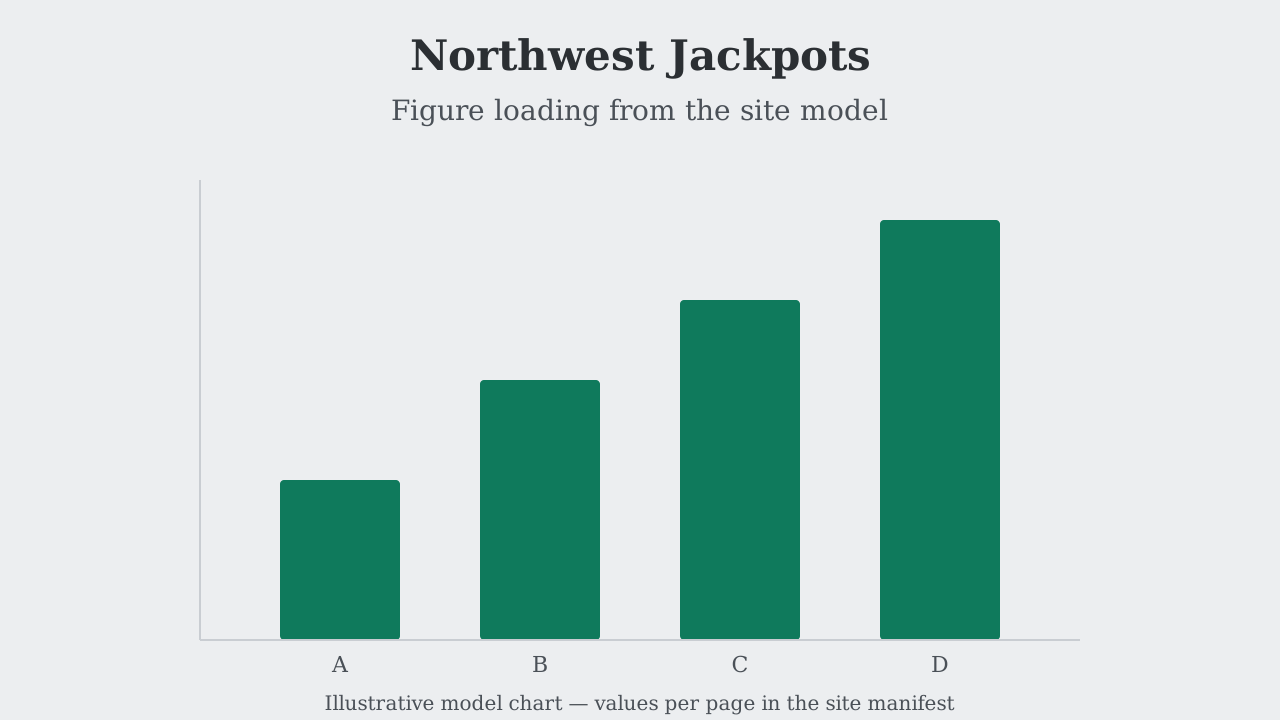
The chart above shows the offer’s expected value decaying across the claim window. The pattern is structural. Unused spins expire, typically inside seven days, and the wagering clock erodes the winnings of any spins that were used. A bundle claimed and ignored reaches expiry worth nothing; a bundle claimed and cleared within a day or two holds most of what variance allows. The practical instruction is therefore simple: claim card-linked spins when you have time to use them, not on the evening you registered the account for a different reason. Value left on the table through expiry is the most common outcome for this offer type, and it is entirely avoidable.
Withdrawal mechanics deserve the same forward planning as the claim. Identity verification is most commonly triggered at the first withdrawal rather than the deposit, so the first cashout is the slowest across most of the market; uploading documents before requesting a payout makes the first withdrawal behave like the second. Withdrawals generally return by the rail used to deposit, and where no deposit was ever made, operators typically ask for a verified rail before releasing spin winnings, which loops back to the card on file. The route is coherent, but it runs through the details you handed over at the start, which is the cleanest illustration of why the operator asked for them.
For readers whose priority is keeping what the spins produce rather than maximising the spin count, two alternatives price better on identical assumptions. Registration-only spin offers skip the card entirely and suit readers who want to try a site without any payment instrument on file. No-wagering spin offers skip the turnover requirement altogether, so every penny the spins win is withdrawable cash, usually on a smaller bundle. The hub page for free spins no deposit casino links the whole family, and each sibling prices its offer on the same yardstick used here, so a figure read on one page means the same thing on all of them.
How to judge a card-linked offer
Judging this offer type takes four questions, and they take less time than the claim flow itself. Question one: is the deposit genuinely optional? Read the claim steps in the terms. If any deposit threshold appears before the spins credit, the headline is wrong and the offer should be judged as a deposit offer instead. Question two: what is the spin value and the named game? Fifty spins at £0.10 on a 94% RTP title is worth roughly half of the same count at £0.20 on a 96.5% title, and the difference is knowable in advance from the terms and the game panel.
Question three: what do the wagering terms attach to, and how far does the cap reach? Wagering on winnings is the lighter structure; wagering on total spin value is the heavier one, and the difference can double the turnover. The cap matters less on bundles this size, but a £25 ceiling on a fifty-spin session with a volatile named slot is a real constraint, and it is printed in the terms where it can be found. Question four: which licence stands behind the operator, and what does your answer to that question change? Read the aside again if the answer is unsettled, and remember that adding a card is a different order of commitment from registering an email. A payment instrument on file is a standing invitation to the next offer, and the reader who knows that is the reader who decides it deliberately.
Answer the four questions and the choice makes itself, which is the honest definition of a good decision tool. The terms describe the product. The maths prices it. The licence question frames the trade. The reader closes the loop. Nothing on this page substitutes for the last step, and nothing on it tries to.
Frequently asked questions
Do I have to deposit to get spins for adding my card?
On a genuinely card-verification offer, no: the spins credit once the card passes the operator’s checks. Some promotions described the same way do require a minimum deposit before anything credits, so read the claim steps in the terms. If a deposit threshold appears anywhere in the flow, treat the offer as a deposit offer regardless of the headline.
Is it safe to add my card details to claim free spins?
At a Gambling Commission-licensed operator, card details sit under the same security and fund-protection rules as any other payment the site processes. At an offshore operator, the protections differ, and the aside on this page sets out what is given up. Also check your statement after verification: the process should produce at most a temporary token authorisation, never an actual charge.
What are the spins usually worth?
Spin values at this end of the market commonly sit between £0.05 and £0.20, and fifty spins at £0.10 carries a headline value of £5.00. The expected return before wagering tracks the named game’s RTP, so the real value depends as much on the game and the wagering terms as on the spin count in the headline.
How does wagering work on spin winnings?
The usual structure multiplies your actual spin winnings by the wagering factor: forty times on roughly £4.80 of expected winnings requires about £200 of staking before a withdrawal unlocks. Some terms instead multiply the total spin value regardless of what you won, which raises the requirement. Read which figure the multiplier applies to before claiming.
What happens if the spins expire before I use them?
Unused spins typically vanish at the end of the expiry window, commonly seven days, with no compensation. The chart on this page models the value decay across the window. Claim card-linked spins when you actually have time to play them, because value left unclaimed is the most common outcome for this offer type.
Can I withdraw spin winnings straight away?
Usually not. Wagering on the winnings must complete first, and requesting a withdrawal before it completes typically forfeits the remaining bonus balance. On genuinely no-wagering spin offers the winnings are withdrawable immediately, which is why those offers price better per spin on identical headline values.
Why does the operator want my card if no deposit is needed?
Three commercial reasons: the card verifies you are a real account holder, it removes the largest step from any future deposit journey, and it makes every subsequent promotion deliverable with a single confirmation. The spins are the operator’s payment for building that path, and knowing that is part of pricing the offer honestly.
Do card-linked offers appear at licensed UK sites?
They do, though licensed operators more often lead with small matched offers or no-wagering spin bundles, because British licence conditions constrain how promotional credit is structured. Where spins appear at licensed sites, wagering on winnings is frequently lighter than the offshore norm, which changes the maths in the player’s favour.
Which card should I register?
A debit card, both because credit cards may not be used for gambling in Great Britain since April 2020 and because withdrawals generally return by the depositing rail. Registering a card you are happy to have on file matters more than optimising between brands, since the registered card becomes the default route for everything that follows.
What is the realistic outcome of a fifty-spin card bundle?
On the stated assumptions of fifty spins at £0.10, forty times wagering and a 4% house edge, the expected cost of clearing the winnings slightly exceeds their expected value, so the central outcome is a small cashout or an erosion to nothing partway through. Variance produces better and worse individual sessions. Price the offer before claiming it and treat any completed withdrawal as a favourable variance result rather than a plan.