Bitcoin Casinos
A bitcoin deposit does not ask a bank for permission. It asks the network for confirmations, and the network answers in minutes for a fair fee or in most of an hour for a cheap one. That single structural difference explains most of what follows on this page: why offshore sites lean on this rail, why British licensed sites largely decline it, and why the arithmetic of a bonus cleared in a volatile coin is not the same arithmetic as one cleared in pounds.
Offers of this kind in the crypto-facing market usually ask around forty times the bonus amount in wagering before a withdrawal unlocks, and the coin you deposit in changes the value of that journey in ways the promotions page never mentions. Verify the current terms on the operator’s own promotions page before depositing, and remember that a figure denominated in bitcoin on Monday can be worth a different sum in pounds by Friday.
Terms change often. Verify the current terms on the operator’s own page before depositing. Scores are editorial.
8.2/10See offer terms
8.0/10See offer terms
7.8/10See offer terms
7.5/10See offer terms
- Why bitcoin changed the cashier
- Confirmations and fees: the timing of a deposit
- Wallet basics before the first transfer
- The bonus maths when the balance moves in bitcoin
- Category comparison: what the ranges look like
- What a licence buys: the honest offshore question
- Volatility management and provably fair checks
Why bitcoin changed the cashier
Every payment rail in ordinary casino banking has a middleman. A debit card has the acquiring bank and the card scheme. An e-wallet has the wallet operator and whatever bank sits behind it. A bank transfer has the clearing system. Each middleman adds time, adds a compliance step and adds a party that can decline the transaction. Bitcoin removes all of them. A transfer goes from your wallet to the operator’s wallet across a public ledger, and the only gatekeeper between the two is the network’s own confirmation process, which is indifferent to what the transfer is for and to who is sending it.
That structural difference explains the shape of the crypto casino market as British readers find it. Sites holding a Gambling Commission licence operate inside a payment environment where cards, PayPal and bank transfer work smoothly and where the regulator’s rules are enforceable through the rails themselves, because British payment providers can be required to refuse business with unlicensed operators. Licensed British casinos therefore have little reason to adopt a rail that exists mainly to route around intermediaries, and in practice almost none of them accept bitcoin for deposits. The market for bitcoin play sits almost entirely with offshore operators, and the honest starting point of this page is that the rail and the licence gap travel together.
It also explains the speed claims. When a crypto site advertises withdrawals in minutes, the claim is partly true and partly misdirected. The true part is the rail: once the operator signs the transaction and broadcasts it, the network confirms it within the windows described in the next section, and no bank adds a day of clearing. The misdirected part is the word that precedes it, because the operator’s own review queue sits in front of every request regardless of rail. On a first withdrawal, when identity and source-of-funds checks are most likely to trigger at an offshore site, that queue can add hours or days, and the coin’s speed does nothing to shorten it.
There is a cost side too, and it is smaller than most players expect but not zero. Network fees on the bitcoin chain vary with congestion, from a matter of pence at quiet times to several pounds when the mempool is crowded. The operator usually passes on a fixed withdrawal fee that may or may not match the true network cost at the moment of transfer. None of this compares badly with card or bank processing on large sums, but on small withdrawals a £10 cashout carrying a £3 fee has lost nearly a third of its value before the journey starts, which is why the sizing of crypto withdrawals deserves a thought that fiat withdrawals never needed.
What bitcoin does not change is the gambling itself. The games, the house edges, the wagering requirements and the terms pages look much the same as anywhere else in this part of the market. What the rail changes is the plumbing, and the plumbing changes three things worth a page each: how long money takes to arrive, how much of the journey the reader controls, and what recourse exists when something goes wrong. Those three threads run through everything below.
Confirmations and fees: the timing of a deposit
A bitcoin deposit is not credited the moment you press send. The transaction must first be included in a block by a miner, and most operators then wait for one or more further confirmations before the balance becomes playable. How long that takes depends chiefly on the fee attached to the transaction, because miners prioritise transactions that pay more. The chart below states the model this site uses: a deposit at a high fee level crediting in around ten minutes, a medium fee in around half an hour, and a low fee in around ninety minutes. Those are assumptions about typical conditions, not measurements of any operator’s cashier, and congestion can stretch every one of them.
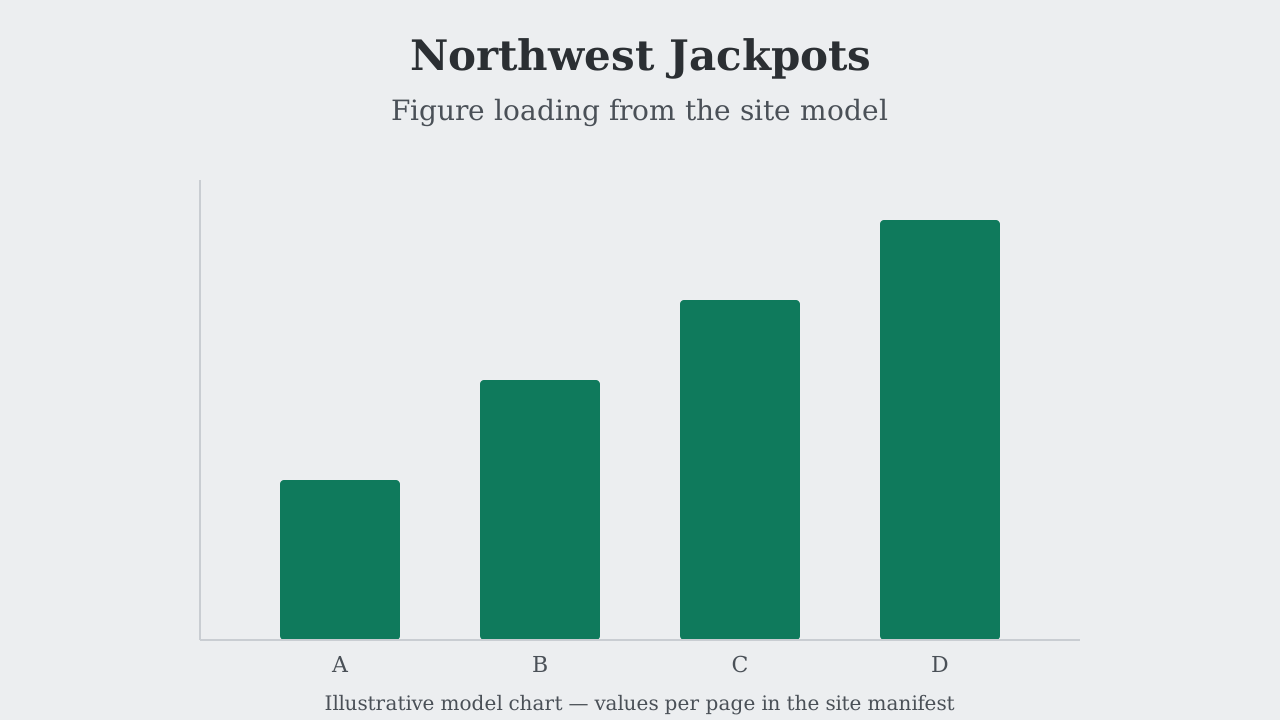
The fee choice is a genuine trade rather than a technicality. A high fee buys speed and buys nothing else; the deposit credits the same either way. A low fee is the correct choice when the deposit is not urgent and you are happy for it to land while you do something else. What is never sensible is setting a fee so low that the transaction sits unconfirmed for hours, because most wallet software will let you bump the fee, but an operator’s cashier has no way to know your intent and some sites will credit a deposit only after a fixed number of confirmations arrive within a stated window.
Withdrawals reverse the trade. On a withdrawal you are usually paying the operator’s stated fee rather than setting your own, so the lever disappears and what remains is the operator’s processing queue. The rail itself, once broadcast, clears at the same speed in either direction: minutes at a fair fee, longer when the network is busy. Reading a site’s crypto withdrawal promise therefore requires separating two sentences that marketing tends to blur. One sentence covers the network, which is fast and largely outside the operator’s control. The other covers the operator, which is entirely inside its control and is where the delay, when there is one, actually lives.
A practical note on units completes the timing picture. Bitcoin amounts are quoted to eight decimal places, and a deposit of fifty pounds’ worth of coin is a figure with five zeros after the point. Operators convert at their own prevailing rate, which may differ from the exchange rate you checked minutes earlier, and small conversion differences between the amount you sent and the amount credited are normal. Record the transaction ID from your wallet for every transfer in either direction. If a deposit fails to credit, that identifier is the only proof that the money left your wallet, and no support conversation gets far without it.
Wallet basics before the first transfer
Casino banking with bitcoin begins and ends with a wallet, and the mistakes that cost players money happen at the wallet more often than at the casino. The first principle is custody. A wallet whose private keys you control, whether a hardware device or a software wallet on your own device, is yours in a way that a balance held on an exchange or in a casino account is not. Funds left sitting on an offshore casino balance carry no British fund-segregation protection whatsoever, and the prudent habit is to treat a casino deposit as spent until a withdrawal brings it back.
The second principle is address hygiene. Every bitcoin transfer names a destination address, and a transfer to the wrong address is irreversible with no support desk to appeal to. Copy and paste addresses; never retype one. Check the first several and last several characters after pasting, because clipboard-swapping malware exists precisely to replace a copied address with an attacker’s. And match the network: bitcoin addresses are not compatible with other coins, and a transfer of bitcoin to an address on a different chain is usually unrecoverable. Sites that accept several coins sometimes display separate addresses per coin, and the addresses are not interchangeable.
The third principle concerns where the wallet itself lives. A hardware wallet is the appropriate choice for any sum whose loss would hurt. A reputable mobile wallet is workable for modest play budgets. An exchange account is a poor casino cashier in both directions: exchanges may decline deposits that originated from gambling sites, may hold funds pending review, and add their own identity checks to the journey. Players who intend to move money between an exchange and casinos regularly are better served by a personal wallet in the middle, which keeps the exchange out of the gambling chain entirely.
Recovery deserves its own paragraph because it is the one mistake that cannot be patched. A wallet’s recovery phrase is the master key to the funds. Write it on paper, store it somewhere a house fire or a dead phone cannot reach it, and never type it into any website, any support chat or any form. No legitimate casino, wallet provider or exchange will ever ask for it. A reader who takes one precaution from this page should take that one, because every other risk on this page is bounded by the amount deposited and this one is not.
The bonus maths when the balance moves in bitcoin
The wagering arithmetic on a crypto bonus is the same arithmetic this site applies everywhere: the bonus amount multiplied by the wagering multiplier is the staking requirement, and the house edge on the games you clear on prices the journey. What differs is the unit. A bonus credited in bitcoin carries the coin’s volatility on top of the casino’s terms, so the paper value of the offer changes before you have staked a single spin. Below sits the calculator set to the standard case used across this site: a £100 deposit, a 100% match, a forty-times multiplier and a £500 cap.
Bonus calculator
Bonus £100, staking requirement £4,000.
Model assumptions: the multiplier applies to the bonus amount, a house edge in line with popular titles is charged against the staking, and the cap truncates convertible winnings. Adjust the inputs to price your own case.
Worked at the defaults: the bonus is £100 in equivalent value, the staking requirement is £4,000, and at a 4% house edge assumption the expected cost of clearing it is £160, leaving the expected value of the promotion negative on those assumptions. Now add the coin. If bitcoin moves twenty percent against the pound during a multi-day wagering period, the pound value of everything in the journey moves with it: the bonus, the running balance, the eventual withdrawal. A bonus that was worth £100 at the deposit can be worth £80 or £120 at the cashout purely from the exchange rate, before the house edge has taken its share.
Some operators structure their crypto promotions to remove that exposure by denominating the bonus in a stablecoin or by converting deposits to a fixed internal value. Others leave the balance in the deposited coin and let the market do what it does. The distinction is in the terms, usually one sentence, and it changes the expected value of an identical headline more than most term differences do. A reader who wants the wagering journey to be purely a casino transaction should look for balance denomination in a stablecoin or in sterling equivalent. A reader who accepts the coin exposure is making a second, separate bet on top of the first, and should know it is being made.
The sensitivity table below restates the standard case with the variables that matter most. The staking requirement moves one for one with the multiplier. The expected cost moves with the house edge. The cap truncates the upside. And the exchange-rate row, which has no equivalent on a fiat page, moves everything simultaneously.
| Input | Value | Effect on the model |
|---|---|---|
| Deposit | £100 | Sets the scale of everything downstream |
| Match | 100% | Bonus amount equals the deposit |
| Wagering multiplier | 40x bonus | £4,000 total staking requirement |
| House edge assumption | 4% | £160 expected cost of clearing |
| Winnings cap | £500 | Ceiling on the convertible balance |
| Expected cost at 3% edge | £120 | £40 cheaper than the base case |
| Expected cost at 5% edge | £200 | £40 dearer than the base case |
| Requirement at 35x | £3,500 | £500 less staking, £140 expected cost |
| Coin falls 20% mid-wagering | Bonus worth £80 | Requirement unchanged in coin, value down in pounds |
One further wrinkle belongs here. Wagering contributions and maximum-bet caps are usually printed in the operator’s display currency, which on a crypto site is often a coin amount converted live. If the coin appreciates sharply during wagering, a stake that was comfortably under the cap in coin terms may breach the cap in the operator’s converted valuation, and a cap breach commonly voids winnings retroactively. Keeping the stake level well below the published cap, by a margin wide enough to absorb ordinary market movement, is the cheap insurance against the most common crypto bonus dispute.
Category comparison: what the ranges look like
The table below compiles category-typical ranges across a spread of sites serving the British market and the offshore market alongside it. Every figure is a range, not a quote: these are the terms operators of each kind commonly publish, compiled from operator-published terms, and no row should be read as the stated promotion of the named site on the day you read this. Check the live terms before depositing. The UKGC rows are the British baseline shown for comparison; none of them claimable at the offshore offers, and almost no UKGC row in practice accepts bitcoin at all, which is precisely the market gap this page describes.
| Brand | Licence label | Welcome offer range | Wagering | Minimum deposit | Payout window | Payment rails |
|---|---|---|---|---|---|---|
| 32Red | UKGC | Match credit to modest value | Commonly low tens | £10 | 1–3 days | Debit card, PayPal, bank transfer |
| Unibet | UKGC | Matched casino credit to £50 range | Commonly 20–40x | £10 | 1–3 days | Debit card, PayPal, bank transfer |
| PlayOJO | UKGC | Spin bundle on first deposit | No wagering on spin wins | £10 | 1–2 days | Debit card, PayPal, Trustly |
| Casumo | UKGC | Match plus spins package | Commonly 30–40x | £10 | 1–3 days | Debit card, PayPal, bank transfer |
| Mr Vegas | UKGC | Match package with spins | Commonly 30–40x | £10 | 1–3 days | Debit card, Trustly, bank transfer |
| LeoVegas | UKGC | Matched credit to £100 range | Commonly 30–40x | £10 | 1–3 days | Debit card, PayPal, Apple Pay |
| Kinghills | Offshore | Multi-tier match to £1,000+ range | Commonly 35–50x | £20 | 0–2 days | Debit card, e-wallets, crypto |
| NineWin | Offshore | Match package with spins | Commonly 35–45x | £20 | 0–2 days | Debit card, e-wallets, crypto |
| Rolletto | Offshore | Multi-tier match with crypto uplift | Commonly 40–50x | £20 | 0–2 days | Debit card, e-wallets, crypto, bank transfer |
| Roobet | Offshore | Crypto-first match structure | Varies by coin and tier | Coin equivalent | 0–1 days | Crypto primarily |
| Gamdom | Offshore | Crypto-first rake and match style | Varies by product | Coin equivalent | 0–1 days | Crypto primarily |
| JackpotCity | Offshore | Multi-tier match to £1,000 range | Commonly 35–50x | £20 | 0–2 days | Debit card, e-wallets, crypto |
Read the two halves as different products built for different readers. The UKGC rows describe a market where the deposit rails are familiar, the minimums sit at £10, the payouts are measured in days and bitcoin appears nowhere in the cashier. The offshore rows describe a market where the rails are broader, the crypto rows among them settle in minutes once released, the headline matches run larger and the wagering runs heavier to compensate. The £10 against £20 minimum-deposit split and the presence or absence of a coin in the rail list are the two most visible day-one differences between the halves, and both are visible before any promotion is read.
Note also what the offshore crypto rows compress. Where a casino’s entire banking runs on chain, the payout window column loses most of its spread, because the operator queue is the only variable left. That compression is real and it is the genuine advantage the rail buys. What it does not buy is any of the protections described in the next section, and the two facts must be carried together or the comparison has been misread.
What a licence buys: the honest offshore question
With the aside stated, the licensed side deserves its merits run fairly. A British licence brings verification at registration rather than at the cashout, deposit limits that the operator must offer, reality checks during play, enforced participation in GamStop and a documented complaint route that ends at independent adjudication. It also brings the payment environment in which the rails most British readers prefer operate cleanly, and the constraint that credit cards cannot be used for gambling in Great Britain applies on the licensed side, as it does everywhere in British commerce since April 2020. For readers whose priority is the protection rather than the headline, the licensed market is the correct answer and the absent bitcoin rail is a cost worth paying.
The intersection of the licence question with the coin itself is worth spelling out, because it is sharper than the general offshore case. Gambling winnings are not taxable for a consumer in the United Kingdom, and that position does not depend on the rail. But a bitcoin balance that appreciated between deposit and withdrawal introduces a question the licensed market never poses, because a licensed site pays out in pounds. A reader converting coin back to sterling after a winning session may have acquired and disposed of a taxable asset in the process, and the tax treatment of that disposal is a personal matter outside this page’s scope. It is mentioned here because it is a difference the rail creates, and it is better known before the session than after.
Volatility management and provably fair checks
Two subjects round out the picture, and both are ones the crypto casino market talks about more than it explains. The first is volatility management, which on a page like this means one thing only: separating the gambling decision from the exchange-rate decision. The clean way to do it is to deposit a coin amount whose pound value you have decided, to treat that pound figure as the bankroll for every calculation on this site, and to withdraw to a stablecoin or straight back to your own wallet rather than letting winnings ride in a volatile asset. The untidy way, letting a balance sit in bitcoin across weeks of occasional play, turns the account into a second portfolio that nobody consciously chose to manage, and the wagering arithmetic of the earlier section stops describing reality.
The second subject is provably fair gaming, the verification method by which a player can check that an individual game outcome was not altered after the fact. The mechanism, where a site offers it, publishes a server seed in hashed form before play and reveals it later, letting the player confirm that the results derived from it were fixed in advance. It is a genuine innovation of the crypto market and it answers a specific question: whether the operator could have manipulated a round. It does not answer the questions a British licence answers, because knowing a round was fair is not the same as having a dispute route, fund protection or self-exclusion when play stops being entertainment. A site can be provably fair on every round and still be an offshore operator with all the gaps the aside describes, and the two assessments are made separately.
For readers weighing the whole picture, the decision compresses into three questions. What do you want the rail for: speed, cost, breadth of coins or privacy, and does the answer justify the licence gap on its own? Is your exposure to the coin a choice or an accident, and if it is an accident, which stable-denominated alternative fixes it? And does the operator’s terms page answer the six standard clauses, the multiplier’s base, the game weights, the maximum bet, the cap, the time limit and the withdrawal trigger, in plain language? A site that answers those three questions to your satisfaction is a defensible pick for you. One that leaves any of them murky is asking you to accept a cost you have not been shown, and the whole purpose of this page is to make sure you see it first.
Frequently asked questions
How long does a bitcoin deposit take to appear in a casino account?
On the model used across this site, roughly ten minutes at a high network fee, thirty minutes at a medium fee and ninety minutes at a low fee, with congestion able to stretch all three. The operator then applies its own crediting rule, commonly a set number of confirmations, so the cashier total is the network time plus the operator’s requirement.
Why do almost no UK licensed casinos accept bitcoin?
Licensed operators bank and pay out through British rails that work well and sit inside the regulatory framework, and there is little commercial reason to add a rail whose main property is operating outside intermediaries. The result is that bitcoin play in practice happens at offshore operators, which is why the licence discussion on this page is unavoidable.
Do crypto casino bonuses have different wagering rules?
The multiplier mechanics are the same, but this part of the market commonly asks in the region of forty times the bonus, sometimes more on large multi-tier packages, and balances may be denominated in the deposited coin. Where the balance moves in a volatile coin, the pound value of the requirement and the bonus changes during the wagering period, which a fiat offer never does.
What happens if I send bitcoin to the wrong address?
The transfer is effectively irreversible. Bitcoin transactions cannot be recalled, and a transfer to a valid address on the wrong network or to an address you do not control is in most cases unrecoverable. Copy addresses, verify the first and last characters after pasting, and confirm the network matches before sending.
Are crypto withdrawals really instant?
The rail is fast: once the operator broadcasts the transaction, the network confirms it in minutes at a fair fee. The operator’s review queue sits in front of that, and on a first withdrawal, when checks are most likely, it can add hours or days. The accurate reading of “instant” is that the rail adds little delay, not that the operator adds none.
What is a recovery phrase and why does it matter here?
A wallet’s recovery phrase is the master key that restores access to its funds on any device. Whoever holds it holds the money. It should be written on paper and stored offline, never typed into a website or shared in a chat, and no legitimate operator or wallet provider will ever ask for it. Losing both the wallet and the phrase means losing the funds permanently.
Does GamStop cover bitcoin casinos?
GamStop is the national self-exclusion scheme covering operators licensed by the Gambling Commission. Operators without a British licence are not covered, so an exclusion registered there is not enforced at an offshore bitcoin site. Anyone relying on self-exclusion should understand that boundary before considering any operator outside the scheme.
What does provably fair actually verify?
It lets a player confirm that a game outcome was determined before the round, using a pre-published hashed server seed revealed after play. It addresses manipulation of individual rounds. It does not provide dispute resolution, fund protection or self-exclusion tools, so it supplements rather than replaces what a licence provides.
Should I keep a balance in bitcoin at a casino?
The prudent habit is to treat a deposit as spent until a withdrawal returns it, since funds on an offshore casino balance carry no British fund-segregation protection. Keeping winnings in the coin on site also carries the exchange rate with it. Withdrawing to your own wallet after each session keeps the exposure where you chose it to be.
Are bitcoin casino winnings taxable in the UK?
Gambling winnings for a consumer are not taxable in the United Kingdom regardless of rail. However, acquiring and later disposing of bitcoin is itself a disposal for tax purposes, so a coin that appreciated between purchase and conversion back to sterling may raise a separate question outside the gambling rules. Personal tax matters belong with a qualified adviser.