PayPal Casinos
PayPal sits in a peculiar position in British casino banking. Deposits clear in seconds, withdrawals commonly land inside an hour, and the buyer protection machinery behind the wallet is real. Yet the same wallet is also the first place a deposit gets declined, because PayPal polices gambling transactions on its own terms as well as the regulator’s. On this page we cost the rail honestly: what it does well, where it refuses to play, what it means for bonus eligibility, and how the licence question changes everything when a withdrawal stalls.
The figures used across this page are models of category-typical behaviour, stated as assumptions rather than quotes from any named operator. PayPal withdrawal windows of around half an hour to an hour are the ordinary case at licensed British sites once the operator has released the request, but every cashier sets its own pending period and every reader should verify the live terms before depositing.
Terms change often. Verify the current terms on the operator’s own page before depositing. Scores are editorial.
8.2/10See offer terms
8.0/10See offer terms
7.8/10See offer terms
7.5/10See offer terms
- Why PayPal behaves differently from every other rail
- The costing model: deposits, withdrawals and the bonus link
- Payout windows in minutes, not marketing
- Category comparison: what the ranges look like
- Declines, limits and the verification queue
- The licence trade-off when the rail goes offshore
- How to choose a PayPal casino
Why PayPal behaves differently from every other rail
Most payment methods are passive pipes. A debit card moves money because a bank permits it; an e-wallet moves money because a wallet operator permits it. PayPal is different in kind, not just degree, because the wallet holds funds in its own right, applies its own acceptable-use policy on top of any gambling regulation, and runs a dispute process that a cardholder or wallet holder can invoke independently of the casino. That triple layer is why the rail earns its own page rather than a paragraph in a general payments guide.
The first layer is speed. A PayPal deposit credits an operator account in seconds, and withdrawals, once the operator releases them, travel back to the wallet at a speed few other rails match. The model used across this site puts typical PayPal payout windows at around thirty minutes in the fast case, a few hours in the standard case, and up to a day where an operator queue or a manual review sits in the way. Compare that with debit cards, where card scheme clearing pushes the ordinary window toward two days, and the reason players ask for the wallet by name becomes obvious.
The second layer is the acceptable-use policy. PayPal’s own rules govern whether gambling transactions are permitted in a given market, and the wallet has historically been stricter than the law strictly requires. This is why a PayPal deposit can be declined at an operator whose licence is perfectly valid: the refusal comes from the wallet, not the casino. It is also why the wallet is largely absent from the offshore half of the market, where operators hold licences PayPal declines to service. A reader who wants the rail should understand that wanting the rail narrows the field of sites, sometimes severely.
The third layer is buyer protection, and it is the one most often overstated. PayPal’s dispute machinery exists, but gambling transactions sit in a special category, and the protections that apply to an undelivered parcel do not automatically apply to a settled casino withdrawal. What the wallet does provide, reliably, is a buffer between your bank details and the operator, instant visibility of every transaction, and a complaint route that is at least documented. That is worth something. It is not worth what marketing pages sometimes imply, and this page prefers to say so early.
There is a fourth difference worth a sentence: bonus eligibility. Some operators exclude e-wallet deposits, PayPal included, from welcome offers, on the reasoning that the rail carries processing costs or attracts abuse. Others accept it freely. The rule is printed in the terms of each offer, not in the cashier, and a reader who deposits by PayPal expecting a matched bonus and finds none has learned an expensive lesson about reading terms before funding. The costing section below builds that risk into the model.
The costing model: deposits, withdrawals and the bonus link
The calculator below is set to the standard case used across this site: a £100 deposit, a 100% match, a forty-times multiplier on the bonus and a £500 cap on convertible winnings. Those defaults describe what offers of this kind usually ask, stated as an assumption rather than a quote. Change any input and the model recalculates the staking requirement, the expected cost of clearing it and the effective value of the promotion once the house edge has been charged against it.
Bonus calculator
Bonus £100, staking requirement £4,000.
Model assumptions: the multiplier applies to the bonus amount, a house edge in line with popular titles is charged against the staking, and the cap truncates convertible winnings. Adjust the inputs to price your own case.
Worked at the defaults: a £100 deposit matched at 100% produces a £100 bonus. At forty times, the staking requirement is £4,000. Slots usually contribute fully toward that total; table games and live dealer titles commonly contribute a fraction, often 10% or nothing, so the same requirement balloons if you clear on low-edge games. At an assumed 4% house edge on the slots you clear through, the expected cost of the journey is £160. Set against a £100 bonus, the promotion’s expected value is negative on those assumptions, and the cap truncates whatever upside variance delivers beyond £500 of convertible winnings.
Where does the rail enter this arithmetic? In three places. First, deposit minimums: PayPal minimums at this end of the market commonly sit at £10, in line with the ordinary British floor, though some operators set higher minimums for e-wallet funding. Second, bonus eligibility: where an offer excludes the wallet, the effective match is zero and the whole calculation collapses to a straight playing session at the house edge. Third, withdrawal friction: a wallet payout arrives faster, which matters most when a wagering requirement completes and you want the converted balance out before a time limit or a change of mind intervenes.
Run the sensitivity honestly. If the offer excludes PayPal and you fund by the wallet anyway, the matched-bonus journey costs £160 of expected loss and returns nothing but play. If the offer accepts the wallet and the terms match the standard case, the promotion is a priced ticket: you pay the expected cost knowingly. The difference between those two states is a single clause in a terms page, which is why the checklist later on this page puts eligibility first among the things to verify.
One more assumption belongs on the table. This page models the wallet as free of fees for casino transactions, which is the ordinary case at licensed British operators: the operator absorbs the processing cost. Some offshore-facing cashiers pass a charge to the player, and currency conversion on a wallet holding a balance in another currency carries PayPal’s own exchange spread. If you play in pounds from a pound-denominated wallet at a pound-denominated site, conversion costs should be zero. Anything else deserves a second look before the deposit.
Payout windows in minutes, not marketing
The figure below states the model used across this site for PayPal payout windows: around thirty minutes in the fast case, around three hours in the standard case, and up to a day where an operator’s pending period or a manual review holds the request. These are planning numbers, not quotes from any named operator, and the assumptions behind them deserve their own paragraph before the chart.
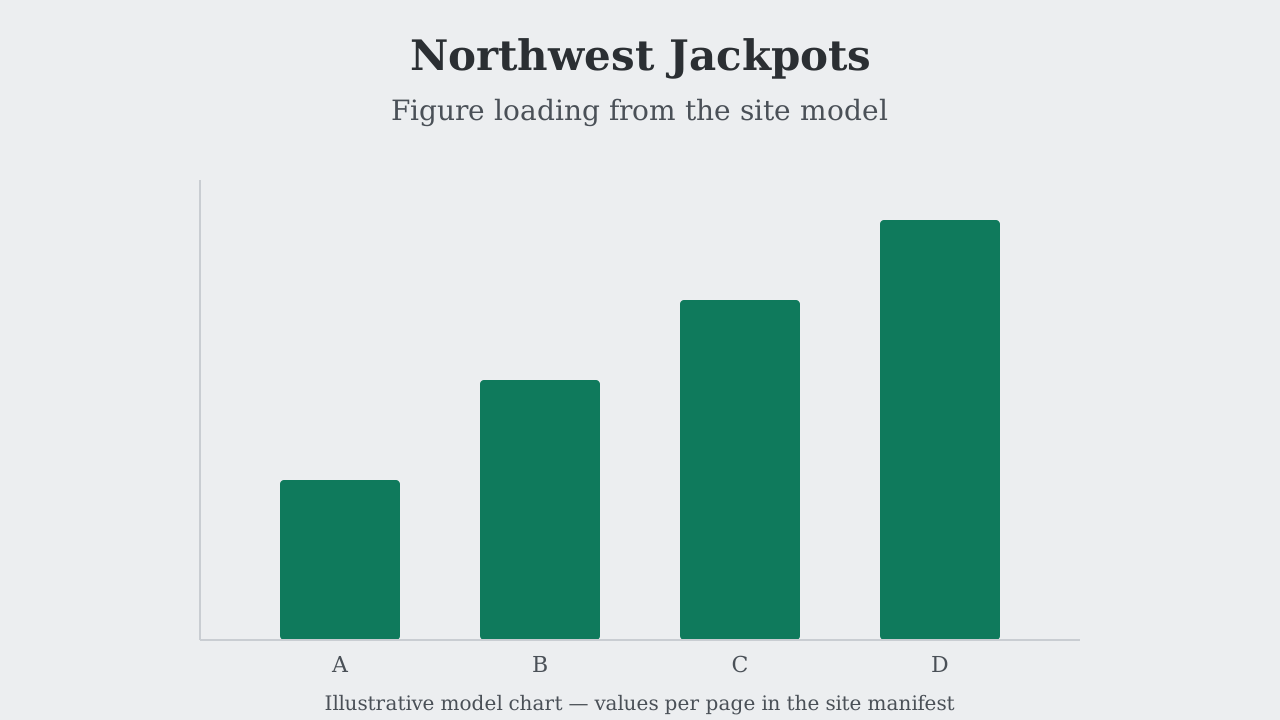
What produces the spread? The wallet itself executes a transfer in seconds once it is sent, so nearly all of the window is the operator’s side: the pending period before release, any identity check triggered by the request, and the cashier’s processing batches. A first withdrawal is the slowest across most of the market because that is where verification usually lands. A reader who uploads documents before the first request effectively converts their first payout into a normal one, and the minutes in the chart apply from the second cashout onward.
Two practical notes sharpen the picture. Withdrawals generally return by the rail used to deposit, so funding by PayPal is the only reliable way to withdraw by PayPal; a card deposit followed by a hope of wallet payout is a common and avoidable disappointment. And the wallet window is bounded by the operator’s own published commitments only where a British licence applies, because licence conditions require withdrawals to be processed without unreasonable delay. Where no such licence exists, the window is a matter of policy alone, a distinction the licence section takes up in full.
Category comparison: what the ranges look like
The table below compiles category-typical ranges across a spread of operators serving the British market and the offshore market alongside it. Every figure is a range compiled from operator-published terms at the time of writing, not a quote of any single promotion, and no row should be read as the stated offer of the named site on the day you read this. The UKGC rows are the British baseline shown for comparison; check live terms before depositing.
| Brand | Licence label | Welcome offer range | Wagering | Minimum deposit | Payout window | Payment rails |
|---|---|---|---|---|---|---|
| Virgin Games | UKGC | Spin bundle on first deposit | Often under 20x | £10 | 1–2 days | Debit card, PayPal, bank transfer |
| MrQ | UKGC | Low-wagering spin offer | Frequently under 10x | £10 | 1–2 days | Debit card, PayPal, bank transfer |
| Betfred | UKGC | Matched stake credit to £50 range | Commonly 10–20x | £10 | 1–3 days | Debit card, PayPal, Apple Pay, bank transfer |
| PlayOJO | UKGC | Spins with no wagering attached | None on spin wins | £10 | 1–2 days | Debit card, PayPal, bank transfer |
| All British Casino | UKGC | Deposit match to £100 range | Commonly 30–35x | £10 | 1–3 days | Debit card, PayPal, bank transfer |
| Pink Casino | UKGC | Match package to £150 range | Commonly 30–40x | £10 | 1–3 days | Debit card, PayPal, bank transfer |
| Mystake | Offshore | Multi-tier match to £1,000 range | Commonly 30–40x | £20 | 0–2 days | Debit card, e-wallets, crypto, bank transfer |
| Goldenbet | Offshore | Match package with recurring reloads | Commonly 35–45x | £20 | 0–2 days | Debit card, e-wallets, crypto |
| Rolletto | Offshore | Multi-tier match to £2,000 range | Commonly 35–45x | £20 | 0–2 days | Debit card, e-wallets, crypto, bank transfer |
| Donbet | Offshore | Match package with free spins | Commonly 35–45x | £20 | 0–2 days | Debit card, e-wallets, crypto |
| Kinghills | Offshore | Multi-tier match to £1,500 range | Commonly 35–50x | £20 | 0–2 days | Debit card, e-wallets, crypto |
Read the table as two distributions rather than a ranking. The British rows show modest headline offers, wagering that ranges from light to standard, a £10 entry floor and payout windows bounded by published commitments, with PayPal present across the set. The offshore rows show larger headline matches, heavier wagering, a £20 floor and faster rails with thinner recourse, and the wallet is largely absent from those cashiers because the wallet declines to serve unlicensed operators. The rail list is itself a signal: a cashier advertising PayPal is almost certainly not in the offshore column.
Note where the two halves overlap. On wagering multipliers the middle of both distributions sits close enough that the multiplier alone rarely decides a comparison. On minimum deposit the £10 against £20 split is the most visible day-one difference. On payouts, the rail determines most of the speed story, so the presence of the wallet in the British rows is worth more than any processing promise printed on a promotions page.
Declines, limits and the verification queue
Three friction points account for nearly every complaint about the wallet at casinos, and all three are avoidable with a few minutes of preparation. The first is the decline. A PayPal casino deposit can be refused by the wallet itself, by the card backing the wallet, or by the operator’s risk system. The refusal message rarely says which layer produced it. The practical remedy is unglamorous: check that the wallet holds a balance or a valid backing card, confirm the operator accepts the rail for deposits rather than withdrawals only, and try a smaller amount before abandoning the attempt.
The second friction is limits. Wallet deposits at this end of the market commonly carry a £10 minimum and a per-transaction ceiling in the thousands, but the limits that actually bite are the operator’s own deposit caps and the affordability checks a British licence obliges operators to run at thresholds they set. A reader planning a large deposit should expect to be asked about income or spending at some point, should expect that request to pause play while documents are reviewed, and should understand that the offshore market’s absence of such checks is one of the trade-offs described in the next section rather than a pure convenience.
The third friction is the verification queue, which lands almost always at the first withdrawal rather than the deposit. Operators licensed in Britain must verify age and identity, and the request most commonly arrives when money tries to leave. The queue is measured in hours to a couple of days where documents are not ready in advance, and in minutes where they are. A reader who photographs a proof of address and a proof of identity before making the first deposit has already removed the largest single source of payout delay on this page, whatever the cashier’s published window claims.
A fourth point deserves a line even though it is rarer: closed loops. Because withdrawals generally return by the depositing rail, a player who funds by PayPal and later wants a bank transfer out is asking the cashier to break its own process, and many will decline. Plan the exit rail at the moment of entry. The decision costs nothing at deposit time and saves a support ticket at withdrawal time.
The licence trade-off when the rail goes offshore
On the licensed side, the combination of the wallet and a British licence is the strongest payout posture in the ordinary market. Licence conditions require withdrawals to be processed without unreasonable delay, the wallet executes in seconds once released, and a documented ADR route exists if the operator’s own complaints process fails. None of that means a dispute will never happen. It means the dispute has a map, a regulator and an adjudicator, which is precisely what is missing elsewhere.
One further note on the wallet’s own standards. PayPal requires gambling merchants to hold a licence in the markets they serve, which is why the rail’s presence at a site is itself a soft verification signal. It is not a substitute for checking the register yourself, and a reader who wants certainty should look the operator up on the Commission’s public register rather than inferring legitimacy from a cashier’s logo wall. The signal is useful; the register is authoritative.
How to choose a PayPal casino
Four questions decide the choice, and the costing on this page feeds directly into all of them. None of them requires more than a few minutes, and together they turn a cashier decision into a priced one.
Question one: does the offer accept the wallet? Read the eligibility clause before depositing, not the cashier icon. Where the offer excludes the rail, the matched-bonus arithmetic on this page collapses and you are buying play at the house edge. Where it accepts the rail, run the calculator with the operator’s actual terms and see whether the expected value suits you before the deposit.
Question two: which direction does the rail need to work? Deposit convenience is universal; withdrawal is the real question. If you want wallet-speed payouts, fund by the wallet, because the return journey generally follows the depositing rail. If you intend to withdraw to a bank, consider whether the wallet is serving any purpose beyond a middleman, and note that a middleman adds a step to every dispute.
Question three: where does the operator stand on the licence trade-off? The aside above sets out what is given up offshore, and the comparison table shows what is gained in headline terms. A reader with no dispute history, no GAMSTOP registration in force and no need for the Commission’s protections may weigh the trade lightly. A reader for whom any of those applies should weigh it heavily, and no headline percentage should tip the scales against it. Verify any operator’s licence on the Commission’s public register rather than trusting the cashier’s own claims.
Question four: what does the terms page hide that the promotion page does not? Run the six-point check: the base of the wagering multiplier, the game weightings, the maximum bet during wagering, the winnings cap, the time limit, and the withdrawal trigger. Add a seventh for this rail specifically: whether wallet deposits carry any fee and whether the minimum for the wallet matches the minimum for other methods. An operator whose terms answer all seven plainly is a better product than one whose terms obscure them, and the difference is visible before any money moves.
Answer the four questions and the shortlist builds itself. The hub page on payment methods extends the comparison to the other rails, and the sibling pages below cost each alternative on the same assumptions as this one, so a figure read here means the same thing there. The terms narrow the field. The calculator prices it. The licence aside frames the trade. The last step, the weighing, is yours alone, and nothing on this page tries to do it for you.
Frequently asked questions
How fast are PayPal casino withdrawals in practice?
On the model used across this site, around thirty minutes in the fast case, a few hours in the standard case and up to a day where an operator queue or manual review applies. The wallet executes in seconds once the operator releases the request, so nearly the whole window is the operator’s side. First withdrawals are the slowest because identity checks usually trigger there.
Do PayPal deposits qualify for welcome bonuses?
Sometimes, and the answer is printed in each offer’s terms rather than in the cashier. Some operators exclude e-wallet funding from welcome offers; others accept it freely. Check the eligibility clause before depositing, because a deposit made through an excluded rail typically receives no bonus at all, and the promotion’s value collapses to plain play.
Why was my PayPal deposit declined at a casino?
The refusal can come from the wallet’s own acceptable-use policy, from the card backing the wallet, or from the operator’s risk system, and the message rarely says which. Check that the wallet holds funds or a valid backing card, confirm the operator accepts the rail for deposits, and try a smaller amount. If the operator is offshore-facing, the wallet may not service it at all.
Can I withdraw to PayPal if I deposited by debit card?
Usually not. Withdrawals generally return by the rail used to deposit, so a card deposit normally pays back to the card at card-clearing speed. A reader who wants wallet-speed payouts should fund by the wallet from the start, and plan the exit rail at the moment of entry rather than at withdrawal time.
Are there fees for casino deposits through PayPal?
At licensed British operators the ordinary case is no fee to the player, with the operator absorbing the processing cost. Some offshore-facing cashiers pass a charge to the player, and currency conversion carries the wallet’s exchange spread if balances sit in more than one currency. Playing in pounds from a pound wallet at a pound site should cost nothing in fees.
Do offshore casinos accept PayPal?
Largely no. The wallet requires gambling merchants to hold a licence in the markets they serve, and it generally declines to service operators licensed outside the recognised frameworks. That is why offshore cashiers lean on cards, crypto and lesser-known e-wallets, and why the rail list at a site is itself a signal about which column of the market it belongs to.
What is the minimum deposit at PayPal casinos?
At this end of the market the ordinary floor is £10, in line with the general British minimum, though some operators set higher minimums for e-wallet funding and a few accept less by other methods. The minimum is printed in the cashier and should be checked for the specific rail rather than assumed from the site’s general terms.
Does PayPal buyer protection cover casino losses?
Not in the way parcel protection does. Gambling transactions sit in a special category, and the protections that apply to undelivered goods do not automatically extend to settled gambling outcomes. What the wallet reliably provides is a buffer between your bank details and the operator, full transaction visibility and a documented complaint route, which is worth something but less than marketing implies.
Is PayPal safer than a debit card for gambling?
It differs rather than dominates. The wallet adds a layer between your bank details and the operator and speeds up the return journey, while a debit card deposits and withdraws without a middleman and carries the card scheme’s own dispute machinery. Both rails are safe in the ordinary sense; the choice is about speed, visibility and where a dispute would be handled.