Pay by Phone Casino
Charging a casino deposit to your mobile bill sounds like the simplest banking in gambling, and on the deposit side it nearly is. Three pounds in, no card details typed, confirmation by text. The complication arrives later, because the same rail that takes your money in seconds cannot carry it back out. This page costs the convenience honestly: what the limits are, why withdrawals need a second method, and what the licence on the site you choose changes about all of it.
Pay by phone deposits at British-facing casinos usually run between £3 and £30 per day, charged to a monthly mobile bill or deducted from prepaid credit, and offers of the promotional kind attached to such deposits typically carry wagering near forty times the bonus before anything withdraws. Verify the current limits and terms on the operator’s own cashier page before depositing, because carrier arrangements and bonus rules both move without much notice.
Terms change often. Verify the current terms on the operator’s own page before depositing. Scores are editorial.
8.2/10See offer terms
8.0/10See offer terms
7.8/10See offer terms
7.5/10See offer terms
- How charge-to-mobile deposits actually work
- Limits, daily caps and what the deposit really costs
- The withdrawal problem and how to plan around it
- Category comparison: what the ranges look like
- Bonus terms on phone-billed deposits
- What a licence changes: the honest offshore question
- Choosing a pay by phone site without regret
How charge-to-mobile deposits actually work
The mechanism is older than most players assume and simpler than any other rail in the cashier. You choose pay by phone, enter your mobile number, and receive a text asking you to confirm the charge. Once confirmed, the amount either adds to your monthly contract bill or deducts from the credit balance on a pay-as-you-go handset. The casino receives the money through an intermediary that brokers between the operator and the mobile networks. No card number crosses the screen, no banking app opens, and the whole sequence rarely takes more than a minute from selection to credited balance.
Two intermediaries dominate this rail in the British market, and both work the same way in principle. They underwrite the charge, collect it from the network on your billing date, and pay the operator. The casino sees a completed transaction; the network sees a premium-rate style charge on your account; you see the amount on your bill next to a reference you may not immediately recognise. That last point matters more than it sounds. A deposit made on the twentieth of the month may not appear on the bill until the following cycle, and players who track spending through bank statements will find phone-billed deposits essentially invisible there, aggregated inside a single network line.
The invisibility cuts both ways. On one hand, your bank never sees a gambling transaction, which some readers prefer for privacy. On the other, the budgeting tools built into banking apps, the spending categories and the flags you may have set, all sit one step removed from a rail that bypasses them. A player using phone billing as the primary deposit method should keep their own ledger, because no statement will do it for them. This is not a small point at £3 or £10 a time; small amounts charged frequently accumulate faster than a single visible debit does.
There is also a structural limit on who can use the rail at all. Contract customers depend on their network allowing gambling charges, and several major networks restrict or block them by default. Pay-as-you-go users need sufficient credit at the moment of deposit. Business contracts almost never permit it. Before planning a deposit around this method, check that your own carrier supports the charge, because the cashier page will list the method regardless of whether your specific tariff can complete it. The failed deposit, not the fee, is the most common first experience of this rail.
Limits, daily caps and what the deposit really costs
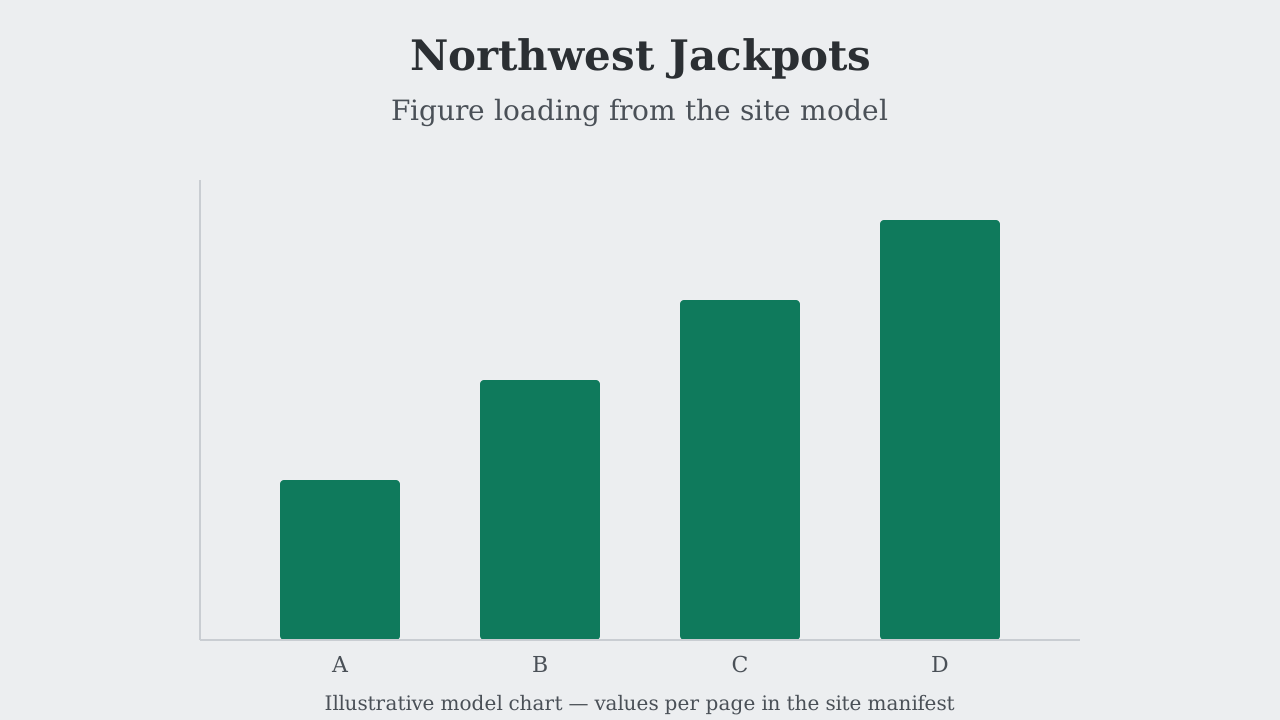
The defining numbers of this rail are small, and that is by design rather than accident. Minimum deposits commonly start at £3, a floor below almost every card or e-wallet minimum in the market. Daily caps commonly sit around £30, sometimes £20 on stricter arrangements, with the occasional operator extending to £50 under specific carrier agreements. The figure above illustrates the model the site uses across this category: a £3 minimum, a typical daily cap of £30 and a wider exception under particular network terms. Treat those as planning assumptions, not promises, because the actual ceiling on your account is set jointly by the operator and your carrier and can differ from both.
Why so low? The rail’s cost structure explains most of it. The intermediary takes a fee on each charge that is large in percentage terms, sometimes a fifth or more of the transaction, and the mobile network takes its own slice. An operator absorbing that cost on a £50 deposit would be giving away a material share before any house edge applied. At £3 the absolute fee is trivial and the operator can treat the rail as a customer-acquisition channel rather than a banking service. The low limits are the price of the rail’s existence, and they are also, less cynically, a spending brake that the rail imposes automatically.
| Parameter | Typical figure | What moves it |
|---|---|---|
| Minimum deposit | £3 | Operator policy; some set £5 or £10 |
| Typical daily cap | £30 | Carrier agreement; stricter tariffs see £20 |
| Wider cap exception | £50 | Specific carrier arrangements, rarely advertised |
| Deposit speed | Under a minute | Text confirmation turnaround |
| Withdrawal by this rail | Not available | No mechanism exists to credit a phone bill |
| Statement visibility | Aggregated on mobile bill | Billing cycle timing |
| Bonus eligibility | Varies | Some operators exclude the rail from promotions |
| Carrier support | Not universal | Network policy on gambling charges |
The row that reshapes most readers’ plans is the withdrawal one. Money deposited by phone bill cannot return by phone bill. The rail has no reverse mechanism, because you cannot credit a network account with winnings any more than a shop could refund a cash purchase into a vending machine. Every deposit made this way therefore implies a second, verified rail for the cashout, and that rail needs setting up before the withdrawal is requested rather than after. The section below deals with the mechanics; the point to carry from here is that pay by phone is a deposit-only product by nature, and choosing it means accepting a two-step banking relationship from day one.
Whether the rail qualifies for bonus credit is the other variable worth checking before the first deposit. Some operators treat phone-billed deposits as fully promotional-eligible; others exclude them from welcome offers or from certain reload promotions, citing the fee structure as the reason. The exclusion, where it exists, is printed in the bonus terms rather than on the cashier page, which is exactly where a hurried reader will not look. Five minutes with the terms page settles it. An operator whose welcome offer accepts a £3 phone deposit is rare enough that when you find one, the finding is worth more than the deposit itself.
The withdrawal problem and how to plan around it
Below sits a calculator set to the standard case used across this site: a £100 deposit, a 100% match, forty-times wagering and a £500 cap. On the pay by phone rail the standard case is worth reading differently, because a £100 deposit through a rail capped at £30 a day takes at least four separate charges across four days, and the wagering clock on a matched bonus usually starts on the first one. The model still prices the arithmetic; the reader should overlay the pacing problem on top of it.
Bonus calculator
Bonus £100, staking requirement £4,000.
Model assumptions: the multiplier applies to the bonus amount, a house edge in line with popular titles is charged against the staking, and the cap truncates convertible winnings. Adjust the inputs to price your own case.
Run at the defaults, the model produces a £100 bonus, a £4,000 staking requirement and, at a 4% house edge assumption, a £160 expected cost of clearing it. On this rail the deposit pattern adds a constraint the model does not show: four days of £30 charges to assemble the deposit, with the bonus credited progressively and the wagering window running against the earliest portion. A reader planning a £100 phone-billed deposit against a fourteen-day wagering window has spent nearly a third of it on assembly. Smaller deposits, matched at the £10 to £30 scale the rail naturally produces, avoid that squeeze entirely, which is one reason the low-limit product and the low-limit rail suit each other.
The withdrawal plan should exist before the deposit does. Three practical routes cover most cases. The first is verifying a debit card at registration even though you intend to deposit by phone, which costs nothing and removes the most common friction later, because withdrawals to a verified card are the market’s default. The second is an e-wallet, useful where an operator prefers paying back through the rail that carries no gambling-charge stigma and where the e-wallet itself clears in minutes to hours. The third is bank transfer, slower but universal. Whichever route you choose, the identity verification that most operators trigger at first withdrawal applies regardless of deposit rail, so uploading documents early is the single highest-value five minutes in this whole process.
One further wrinkle deserves plain language. Because the deposit rail and the withdrawal rail differ, some operators apply an anti-laundering check to the mismatch, holding the first payout until the source of funds is confirmed. This is routine rather than sinister, and the hold is usually a day or two if your documents are already in the system. A player who deposited £30 by phone and requests a £900 withdrawal should expect more scrutiny than one whose flows match rail for rail, and should not read the delay as a judgement on the withdrawal’s legitimacy. Plan the first cashout for a quiet week and the experience stays uneventful.
For readers whose whole interest is speed, the honest counsel is to use this rail for deposits only when its strengths fit the situation, and to route the main banking through a method that handles both directions. Sibling pages on this site cover the e-wallet options and the card routes in the same framework used here, so the comparison can be made on one set of assumptions across all of them.
Category comparison: what the ranges look like
The table below compiles category-typical ranges across a spread of sites serving the British market and the offshore market alongside it. Every figure is a range compiled from operator-published terms, not a quote of any single promotion on the day you read this. Check live terms before depositing. The UKGC rows are the British baseline shown for comparison; the offshore rows are shown because some readers will meet these brands through this rail and deserve the licence label in the same frame as the offer.
| Brand | Licence label | Welcome offer range | Wagering | Minimum deposit | Payout window | Payment rails |
|---|---|---|---|---|---|---|
| MrQ | UKGC | Low-value spin bundle | Often none on spin wins | £5 | 1–2 days | Debit card, PayPal, bank transfer |
| PlayOJO | UKGC | Spin bundle, no wagering on wins | None on spin wins | £10 | 1–2 days | Debit card, PayPal, bank transfer |
| Pub Casino | UKGC | Match to £100 | Commonly 10–20x | £10 | 1–2 days | Debit card, bank transfer |
| Virgin Games | UKGC | Low-value bonus credit | Often under 10x | £10 | 1–3 days | Debit card, PayPal, bank transfer |
| 32Red | UKGC | Match to £150 range | Commonly 30–40x | £10 | 1–3 days | Debit card, PayPal, bank transfer |
| All British Casino | UKGC | Match to £100 range | Commonly 30–40x | £10 | 1–2 days | Debit card, bank transfer |
| Kinghills | Offshore | Multi-tier match to £1,000+ range | Commonly 35–45x | £20 | 0–2 days | Debit card, e-wallets, crypto |
| Rolletto | Offshore | Match package with spins | Commonly 35–45x | £20 | 0–2 days | Debit card, e-wallets, crypto, bank transfer |
| NineWin | Offshore | Multi-tier match to £1,000 range | Commonly 35–45x | £20 | 0–2 days | Debit card, e-wallets, crypto |
| Fat Pirate | Offshore | Match package with recurring reloads | Commonly 35–45x | £20 | 0–2 days | Debit card, e-wallets, crypto |
Read the two halves of the table as different answers to the same question. The UKGC rows show modest headline offers, frequently light wagering, £10-class minimums and payout windows bounded by published processing commitments. The offshore rows show headline matches an order of magnitude larger, wagering in the thirty-five to forty-five times band, £20 minimums and payouts that clear faster on the rails with thinner recourse behind them. Note also that the offshore operators lean on e-wallets and crypto rather than on British high-street banking, partly because the charge-to-mobile intermediary network concentrates around licensed operators. A reader set on phone billing should verify the rail is actually listed in the cashier of any row before drawing conclusions from the range alone.
Where the distributions overlap, the overlap is instructive. On wagering, the middle of both groups sits close enough that the multiplier alone rarely decides a choice. On minimum deposit, the £10 against £20 split is the most visible day-one difference, and it is precisely where the phone rail’s £3 floor stands apart from both, offered by a subset of operators rather than by a licence class. On payout windows, the rails do most of the work, which returns the argument to the earlier point: choose the withdrawal rail before choosing the site, because that choice constrains everything else.
Bonus terms on phone-billed deposits
Because the rail produces small deposits, the bonus terms that matter most are the ones priced for small amounts, and the ones that hurt most are the ones written without them in mind. A £3 deposit against a welcome offer with a £10 minimum earns nothing, which is a plain disappointment but a cheap lesson. A £10 deposit into a forty-times match produces a £10 bonus and £400 of staking, which on a 4% edge assumption costs £16 in expected losses to clear. The arithmetic is identical to any other rail’s; only the scale changes, and the scale makes mistakes cheaper to recover from.
Game weighting deserves the same attention it gets on larger offers. Slots usually contribute fully toward wagering; table games and live dealer titles contribute a fraction or nothing. A reader clearing a small phone-billed bonus on slots has chosen the efficient route whether they knew it or not. Maximum bet caps during wagering, commonly around £5 per spin, bind less often at this scale but still bind, and exceeding one can void winnings retroactively. Set the stake level below the cap on the first spin and the clause stays inert for the whole journey.
Time limits bite differently on this rail than anywhere else. Seven-day windows are common, and a player assembling a deposit across several daily charges has already spent part of the window before the wagering begins. The practical adjustment is simple: claim the bonus only when the full deposit can be assembled inside two days, or choose an operator whose window runs to fourteen or thirty. The terms page states the window plainly. Read it on the day you claim, because operators adjust promotional windows more often than they adjust any other clause.
The winnings cap closes the list. Ceilings in the hundreds of pounds are typical at this end of the market, and on a small phone-billed bonus the cap rarely binds in practice. Its presence still matters, because the cap is one of the few clauses that changes the expected value of an offer rather than merely the shape of the ride. An operator offering a small match with no cap and light wagering is running a genuinely cheap promotion, and those offers, when the phone rail qualifies for them, are the best products this deposit method can reach.
What a licence changes: the honest offshore question
Applied to the pay by phone rail specifically, the licence question takes a particular shape. Charge-to-mobile depositing depends on an intermediary network with its own compliance relationships, and that network concentrates around licensed British operators. Offshore sites more often list card, e-wallet and crypto routes, with phone billing absent from the cashier entirely. A reader whose priority is this rail may find that the licence decision has in effect been made for them by the payment industry, which is worth knowing before reading a comparison table that mixes the two halves of the market.
Where the rail does appear at an offshore operator, the withdrawal problem compounds with the licence one. The mismatch between deposit and withdrawal rails already invites a source-of-funds check at licensed sites, where the process is documented and bounded by published commitments. Offshore, the same check has no external reference point, and the reader’s recourse if it stretches is the operator’s policy alone. Neither fact makes the rail unusable; both belong in the reader’s model before the first £3 charge is confirmed, because the cheapness of the deposit is not the same thing as the cheapness of the journey.
Two practical notes complete the frame. First, deposit limits and reality checks, which licence conditions require licensed operators to offer, remain available to you on this rail and cost nothing to set. A £30 daily cap imposed by the carrier is not a substitute for a limit you chose yourself. Second, if gambling has stopped feeling like entertainment, the National Gambling Helpline on 0808 8020 133 runs free and confidential around the clock, and GamStop registration covers the licensed market comprehensively. Neither tool reaches offshore operators, which is part of what the aside above describes in kind.
Choosing a pay by phone site without regret
The decision compresses into four checks, and each one takes minutes. First, confirm your own carrier permits gambling charges on your tariff, because no operator-side comparison survives a network that blocks the charge at source. Second, confirm the operator lists the rail in its cashier at a minimum you actually want, since the £3 floor is real but not universal. Third, confirm the rail qualifies for whatever promotion drew you there, by reading the bonus terms rather than the banner. Fourth, set up and verify the withdrawal rail before the deposit, not after the win. A reader who runs those four checks has spent perhaps twenty minutes and eliminated nearly every bad outcome this method produces.
Beyond the checks, the fit question matters more than any ranking. This rail suits readers who deposit small, value the privacy of keeping gambling off a bank statement, and want a hard ceiling on daily spend that the carrier enforces on their behalf. It suits badly anyone chasing large welcome offers, since assembling a big deposit across daily charges wastes the wagering window, and anyone whose withdrawals need to land same-day, since the two-step cashout adds a link to the chain. Matching the rail to the habit is worth more than matching it to a promotion, because habits recur and promotions end.
For readers weighing alternatives at the same small-deposit scale, the sibling pages cover the adjacent rails on the same assumptions used here. Voucher deposits reach a similar floor with a similar withdrawal story. E-wallets cost slightly more to open and handle both directions. Apple Pay sits between, fast on deposits and constrained on withdrawals depending on the operator. The hub page holds the full set side by side, and the comparison holds its meaning across pages because the assumptions stay constant.
The final word belongs to the spending brake. The daily cap on this rail is the only banking method in the market that enforces a limit structurally, outside the operator’s tools and outside your own willpower on the evening in question. Readers who value that property should keep the rail precisely because of it, and readers who find the cap irritating should treat that irritation as information rather than an obstacle. Either way, the small numbers that define this method are not a limitation on the product. They are the product.
Frequently asked questions
Can I withdraw casino winnings by phone bill?
No. Charge-to-mobile depositing has no reverse mechanism, because a mobile network account cannot be credited the way a bank account or e-wallet can. Withdrawals return by a second rail you verify, most commonly a debit card, an e-wallet or bank transfer. Set that second rail up before your first withdrawal rather than during it.
What is the minimum deposit at a pay by phone casino?
£3 is the common floor and the lowest entry point in the British market, though some operators set £5 or £10 on the same rail. The minimum on your account is set jointly by the operator and the intermediary, so the figure in the cashier is the one that binds. Check it before assuming the headline £3 applies to you.
How much can I deposit by phone in a day?
Daily caps commonly sit around £30, with some arrangements allowing £50 and stricter tariffs holding £20. The cap is structural rather than promotional, set between the carrier and the intermediary, and it applies across all merchants billed through the same channel on some networks, not just to the one casino.
Do pay by phone deposits qualify for welcome bonuses?
It varies by operator. Some treat phone-billed deposits as fully promotional-eligible; others exclude the rail from welcome offers or specific promotions, citing the fee structure. The exclusion, where it exists, is printed in the bonus terms rather than on the cashier page, so read the terms before claiming rather than after.
Will phone casino charges show on my bank statement?
No. The charge appears on your mobile bill or deducts from prepaid credit, aggregated with other network charges. That keeps gambling transactions off bank statements, which some readers value for privacy, but it also means banking-app spending tools will not track the deposits for you. Keep your own record of amounts and dates.
Why are the deposit limits on this rail so low?
The intermediary and the mobile network each take a percentage fee that is large relative to small transactions, so operators cap charges to keep the rail economically viable. The low limits also function as a spending brake, which many readers regard as a feature. The structure is the same across every operator using the rail.
Do all UK mobile networks allow gambling charges?
No. Several major networks restrict or block gambling charges by default, and business contracts almost never allow them. Pay-as-you-go users need enough credit at the moment of deposit. Confirm your own tariff supports the charge before planning a deposit around this method, because the cashier will list the rail regardless.
When do phone bill casino charges appear on my bill?
On a contract, the charge is added to your account and appears on the next billing cycle, which can be weeks after the deposit. On pay-as-you-go, the deduction is immediate. Plan your record-keeping around the delay, because a deposit made late in one cycle may surface on a bill you had already budgeted.
Is pay by phone depositing safe?
The rail avoids sharing card or bank details with the operator, which removes one class of exposure, and the text confirmation prevents charges you did not authorise. The main risks are practical rather than security ones: the deposit-only structure, the aggregated statement visibility and the carrier’s fee loaded into the transaction. A licensed operator plus a prepared withdrawal rail covers the rest.
Can I use pay by phone at offshore casinos?
Less often than at licensed British sites. The intermediary network that processes charge-to-mobile payments concentrates around UKGC-licensed operators, so offshore cashiers usually list cards, e-wallets and crypto instead. Where the rail does appear offshore, the withdrawal and recourse considerations described on this page apply with less external backing, and the licence aside above sets out what that means in kind.