Bingo Bonus Codes
A bingo code that grants eight pounds of bonus credit sounds like eight pounds of tickets, and it rarely is. Bingo bonus balances usually carry their own wagering rules, win caps and expiry windows that decide what the code is actually worth before the first ball is called. This page walks through where codes surface, how redemption works, what the wagering on bingo credit typically asks, and how to price a bundle in tickets rather than in marketing numbers.
Bingo bonus codes of the kind seen across the British market typically unlock small credit bundles or free ticket packs, and the terms attached to that credit, wagering of four times to eight times the bonus on bingo spend is a common pattern, decide how much of it ever converts to withdrawable cash. Terms change often, so verify the current promotion on the operator’s own site before entering any code.
Terms change often. Verify the current terms on the operator’s own page before depositing. Scores are editorial.
8.2/10See offer terms
8.0/10See offer terms
7.8/10See offer terms
7.5/10See offer terms
How bingo bonus codes work
A bonus code is a text string, entered at registration or in a promotions page, that flags your account for a particular offer. In bingo the offer is usually one of three things. The first is a credit bundle, a few pounds of bonus balance credited on top of a deposit or, less commonly, without one. The second is a free ticket pack, a set number of prepaid tickets for named rooms or session types. The third is a room pass, time-limited access to a room or event that carries its own prize structure. Each behaves differently once it is on the account, and a code’s value depends far more on which of the three it delivers than on the size printed next to it.
Codes reach players through a small number of routes. Operator emails and SMS campaigns carry the majority of them, targeted at accounts that have been quiet for a while or that have just completed a deposit. On-site promotions pages hold a second tier, often tied to seasonal events or new room launches. Affiliate sites, this one included, surface codes published by operators for wider distribution. What rarely happens is a code appearing in paid advertising with terms attached in full, which is why the redemption step always ends in the same place: the operator’s own terms page, read before the code is entered rather than after.
It is worth separating codes from the ordinary welcome offer. A welcome offer applies automatically and is documented on the site’s main promotions page. A code offer applies on demand, is often targeted at a narrower audience and, because of that, its terms are frequently shorter, more specific and sometimes more generous than the standing welcome deal. That is the actual appeal of codes: not free money, but access to a variant of the standard offer with different numbers attached. The reader’s task is to compare the variant against the standard on the same terms, and the rest of this page provides the framework for that comparison.
One caution belongs here. Codes carry expiry windows that are usually shorter than standing offers, sometimes a matter of days from publication. A code quoted on a page without a stated expiry may already be dead by the time you read it. Check the operator’s promotions page for the current version of any offer before spending time on the redemption process, because an expired code fails silently and the only symptom is a credit balance that never arrives.
Redemption, step by step
The process is short, and each step has a failure mode worth knowing in advance. Four steps cover nearly every code in the market.
Step one is account eligibility. Most codes require a registered account in good standing, and many require it to be a first deposit or a reactivation, so a code intended for lapsed accounts will not apply to an account that deposited last week. Read the eligibility line first, because it is the most common reason a valid code does nothing. Step two is code entry. On most sites the field lives in the cashier, on the deposit screen, or in a dedicated promotions section of the account menu. Case matters on some platforms and not others, so entering the code exactly as published avoids one avoidable failure. Step three is the qualifying action, which is usually a minimum deposit or a ticket purchase in a named room. The qualifying action is where the offer’s real minimum commitment hides: a code granting eight pounds of credit against a ten pound deposit is a ten pound offer with eight pounds of bonus attached, not an eight pound offer. Step four is confirmation, which should show the credit or tickets on the account immediately. If the balance does not move, the code was ineligible, expired or mistyped, and the operator’s support chat is the route to establish which.
Two practical notes shorten the process. First, screenshot the terms page before entering the code, because promotion terms occasionally change between the day a code is published and the day it is redeemed, and a screenshot dated before redemption is the cleanest evidence of what was advertised. Second, redeem codes one at a time. Stacking a code on top of an unfinished welcome offer usually causes the newer promotion to override or queue behind the older one, and which of those happens varies by operator. Redeem sequentially, finish one wagering obligation before starting another, and the account stays legible.
Wagering on bingo credit, costed
Bingo bonus balances usually carry their own wagering rules, and the pattern differs from casino credit in one important way: bingo wagering is typically measured in total tickets purchased, and the multipliers are lower than casino equivalents. Four to eight times the bonus amount is a common band for bingo credit, against the thirty-five to fifty times often seen on casino matches. That lower multiplier reflects how bingo economics work, since a ticket purchase returns a share of the prize pool to players collectively and the operator’s margin sits inside that share.
The calculator below is set to a session model: a two hundred pound bankroll, two pound stakes, an assumed house edge of four percent and ten sessions. Those are the defaults across this site’s bingo pages, and they exist to show the expected cost of play over a series of sessions rather than to forecast any single evening. Swap the inputs for your own figures and the model returns the expected position.
Bonus calculator
Expected cost across 10 sessions: £32.
Model assumptions: the multiplier applies to the bonus amount, a house edge in line with popular titles is charged against the staking, and the cap truncates convertible winnings. Adjust the inputs to price your own case.
Worked at the defaults, ten sessions of two pound stakes produce two hundred pounds of total staking per session pattern, and at a four percent assumed edge the expected cost of that play across the bankroll is eight pounds per hundred staked. Over the full ten sessions the expected position is a bankroll of one hundred and twenty pounds, on those assumptions. Expectation is not a prediction of any single night. Variance in bingo is wide, because prize pools concentrate wins on few tickets and most sessions return nothing on most of the tickets bought. The model exists to put a long-run price on the entertainment, not to tell you what tonight holds.
Where code credit enters this picture is as a subsidy to the staking. If a code grants eight pounds of bonus balance and the wagering requirement is four times that, thirty-two pounds of ticket purchases must be made with bonus funds before the balance converts. Those thirty-two pounds of tickets carry the same expected return as any other tickets in the same room, so the wagering requirement costs you the expected margin on thirty-two pounds of play, which at the four percent assumption is about one pound twenty-eight. That is the honest price of clearing a typical code bundle: low in absolute terms, which is why bingo codes are among the cheaper promotions in the wider market, provided the wagering is measured on bingo play and not pushed across into side games where weights differ.
Check one clause to keep the maths honest: whether bingo tickets count fully toward the wagering or at a reduced weight, and whether side games such as slots in the bingo lobby count at all. An operator that weights bingo spend at full value and slots at zero produces a very different clearing journey from one that accepts any lobby spend equally. The weights are printed in the promotion terms, usually in a single table, and they are the first thing to read after the multiplier.
What a bundle is worth in tickets
The sensible unit for pricing any code bundle is the ticket. A bundle’s value in tickets depends on the rooms it can be spent in, because ticket prices vary from a few pence in penny rooms to a pound or more in premium sessions. The chart below shows the model used across this site: bundles graded small, standard and large at assumed values of three, eight and fifteen pounds.
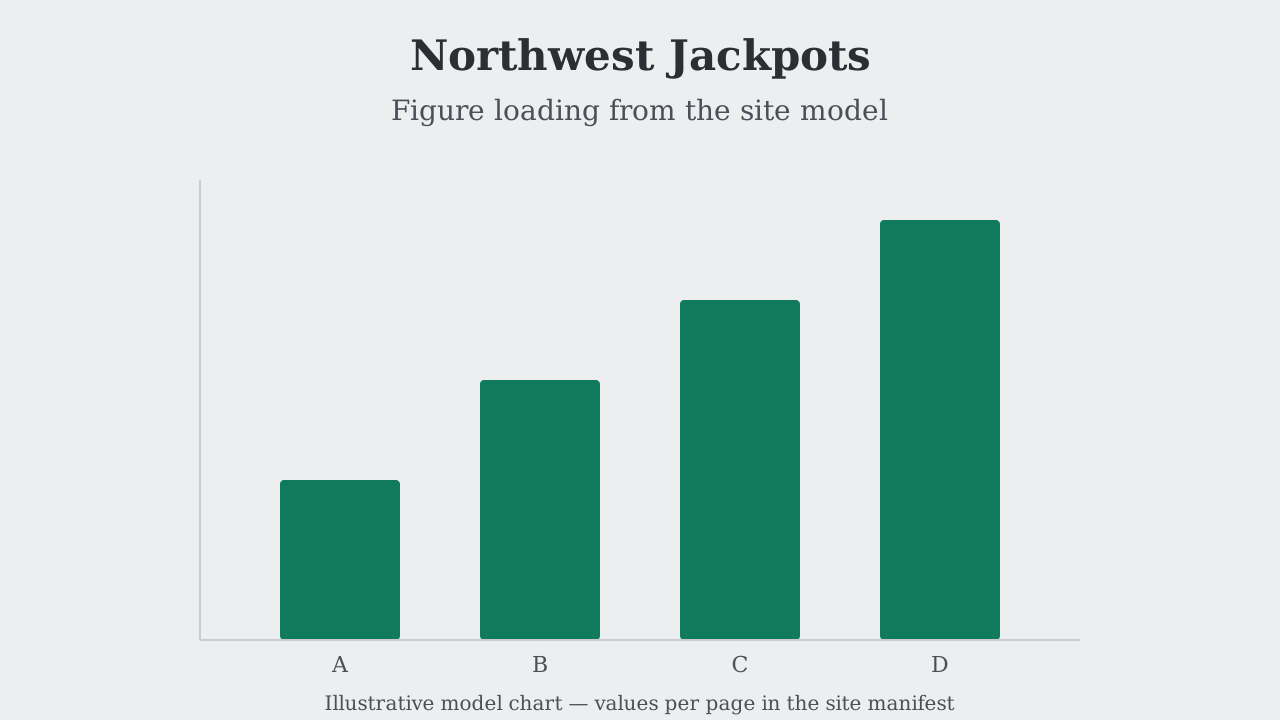
Translate those figures into tickets and the differences sharpen. A three pound bundle at a penny room buys three hundred tickets, which is a full evening of play in most rooms’ schedules. The same three pounds in a twenty-five pence room buys twelve tickets, which is a short session. An eight pound bundle spans three hundred and twenty penny tickets, thirty-two standard tickets or eight premium ones. Fifteen pounds triples those counts again. The lesson is that bundle size and bundle value are different questions, and the room schedule the credit can reach decides which of the two you have actually received. A smaller bundle locked to penny rooms can deliver more play than a larger one tied to premium sessions, and neither is objectively better; the match between the bundle and the rooms you would have played anyway is what makes one code worth redeeming and another worth ignoring.
| Bundle | Assumed value | Penny room tickets at 5p | Standard room tickets at 25p | Premium room tickets at £1 |
|---|---|---|---|---|
| Small | £3 | 60 | 12 | 3 |
| Standard | £8 | 160 | 32 | 8 |
| Large | £15 | 300 | 60 | 15 |
| Standard bundle, 4x wagering | £8 | £32 of qualifying ticket spend required | Clearing cost at 4% edge, about £1.28 | Window commonly 7 to 30 days |
| Large bundle, 8x wagering | £15 | £120 of qualifying ticket spend required | Clearing cost at 4% edge, about £4.80 | Window varies, check terms |
The last two rows matter most. The clearing cost column prices the wagering obligation in expected terms, using the same four percent edge assumption as the calculator, and it shows how modest the true cost of a bingo code usually is compared with casino credit. The condition that changes the picture is a cap on convertible winnings. If a code caps what the bonus balance can convert to at, say, twice the bonus amount, the large bundle’s upside is clipped at thirty pounds regardless of how the tickets run, and readers who find that acceptable can treat the cap as the price of the free entry. Readers who do not can compare the capped code against the operator’s standing welcome offer, which usually carries no such ceiling.
Category comparison: typical ranges
The table below compiles category-typical ranges across a spread of bingo and combined casino-bingo operators serving the British market, alongside offshore-facing brands for context. Every figure is a range, not a quote: the values are compiled from operator-published terms at the time of writing and no row should be read as the stated promotion of the named site on the day you read this. Verify live terms before depositing. UKGC rows are the British baseline shown for comparison.
| Brand | Licence label | Welcome offer range | Wagering | Minimum deposit | Payout window | Payment rails |
|---|---|---|---|---|---|---|
| Gala Bingo | UKGC | Ticket pack plus spins bundle | Often 2–4x on bingo credit | £10 | 1–3 days | Debit card, PayPal, bank transfer |
| Foxy Bingo | UKGC | Matched ticket bundle to £30 range | Commonly 2–4x | £10 | 1–3 days | Debit card, PayPal, bank transfer |
| Sun Bingo | UKGC | Spend-based ticket offer to £50 range | Commonly 2–4x | £10 | 1–3 days | Debit card, PayPal, Apple Pay, bank transfer |
| Heart Bingo | UKGC | Low-value credit plus spins | Often under 5x | £10 | 1–2 days | Debit card, PayPal, bank transfer |
| Double Bubble Bingo | UKGC | Spins bundle with modest credit | Often under 5x | £10 | 1–3 days | Debit card, PayPal, bank transfer |
| Lucky Pants | UKGC | Ticket and spins combination | Commonly 2–5x | £10 | 1–3 days | Debit card, PayPal, bank transfer |
| Mystake | Offshore | Multi-tier match to £1,000 range | Commonly 30–40x | £20 | 0–2 days | Debit card, e-wallets, crypto, bank transfer |
| Goldenbet | Offshore | Match package with recurring reloads | Commonly 35–45x | £20 | 0–2 days | Debit card, e-wallets, crypto |
| Donbet | Offshore | Match package with free spins | Commonly 35–45x | £20 | 0–2 days | Debit card, e-wallets, crypto |
| Kinghills | Offshore | Multi-tier match package | Commonly 35–45x | £20 | 0–2 days | Debit card, e-wallets, crypto |
| Rolletto | Offshore | Match package with bonuses on early deposits | Commonly 35–45x | £20 | 0–2 days | Debit card, e-wallets, crypto, bank transfer |
| Pink Casino | UKGC | Spins-led welcome bundle | Often under 10x | £10 | 1–3 days | Debit card, PayPal, bank transfer |
Two stories run through the table. The UKGC bingo rows show a market built on small ticket-led offers with light wagering, ten pound minimum deposits and payouts measured in a day or three, bounded by published processing commitments. The offshore rows show match packages far larger in headline terms, with wagering in the thirty-five to forty-five times band applied to bonus amounts and a faster rail story alongside thinner recourse. The comparison is not entirely like for like, since the offshore brands are casino-first operations with bingo rooms where they exist at all, while the UKGC rows are bingo-first operators. That difference is itself informative: dedicated bingo operators compete on room quality and light terms, whereas casino-first brands compete on headline size.
Note where the ranges overlap and where they do not. Minimum deposits split cleanly at ten pounds against twenty, and that split is the most visible day-one difference between the two halves. Payout windows overlap heavily because the rails dominate, with e-wallets and crypto clearing fastest at both ends of the market. Wagering does not overlap at all: single-digit multipliers on bingo credit against thirty-five plus on casino matches, which is why readers comparing a bingo code against a casino bonus are comparing two differently priced products rather than two prices for the same one.
Expiry, caps and the clauses that decide value
With that on the record, the terms checklist for bingo codes is short, and four clauses do nearly all the work. The first is expiry, both on the code itself and on the credit it grants. Code expiry is often days; credit expiry, once redeemed, commonly runs seven to thirty days. A bundle that expires before the room schedule suits your evenings is worth nothing regardless of its size, so match the expiry window to the rooms you would actually attend. The second is the wagering multiplier and its base. Four times the bonus and four times deposit plus bonus differ by a factor of several on a small credit bundle, and the base is printed in the same sentence as the multiplier. The third is game weighting, covered earlier: confirm that bingo tickets count fully and know what the lobby’s side games contribute. The fourth is the winnings cap or maximum conversion, which truncates the upside and, at this end of the market, is the clause most often omitted from the code’s own description.
A fifth clause appears often enough to mention: room restrictions. Some bundles can only be spent in named rooms, or in rooms on a particular network, or outside peak hours. Restrictions of that kind do not change the arithmetic but they change the practical value, because a bundle locked to rooms you would not otherwise visit is a nudge toward unfamiliar play rather than a subsidy of your usual session. Read the eligible-rooms list before redeeming, and if it names rooms you know, the code is probably worth the five minutes the redemption takes.
Finally, a note on expectations. Bingo codes are small promotions priced for regulars, and their honest expected value after wagering is modest: pounds, not tens of pounds, in most cases. Their real function is to extend a session at a reduced marginal cost and to let a player sample rooms they might not have funded alone. Priced that way, on the assumptions stated above, a standard bundle is a reasonable purchase for a regular player and a poor one for anyone chasing a withdrawal. The sibling pages on free bingo rooms and no-deposit bingo cover the zero-cost end of the same market, and the hub’s variant guides cover how 90 ball and 75 ball play changes the ticket maths. Between them and this page, the yardstick stays the same: price the bundle in tickets, check the four clauses, and let the terms rather than the headline decide.
Frequently asked questions
Where do bingo bonus codes actually come from?
Most are published by operators themselves through email, SMS and on-site promotions pages, with a wider distribution set passed to affiliate sites. A code is a flag that applies a specific offer to your account, so its terms live on the operator’s promotions page, and that page is the authoritative source for whether the code still works.
Do bingo codes work without a deposit?
Occasionally. Some codes grant credit or free tickets purely for registration or for logging in during a promotional window. More commonly the code requires a minimum deposit or a qualifying ticket purchase, so the offer’s real commitment is the qualifying action, not the bundle size. Read the eligibility line before assuming a code is free.
What wagering applies to bingo bonus credit?
Four to eight times the bonus amount is a common band for bingo credit, measured in qualifying ticket purchases. That is far lighter than casino bonus wagering, which typically runs thirty-five to fifty times. Confirm whether bingo tickets count fully and what the lobby’s side games contribute, because the weights decide how the requirement is actually cleared.
Can I withdraw bonus credit straight away?
Generally no. Bonus balances are locked until the wagering requirement completes, and requesting a withdrawal early usually forfeits the bonus and any winnings from it. The balance converts to withdrawable cash once the requirement is met, subject to any maximum conversion or winnings cap printed in the terms.
Why did my code not work?
Three causes cover nearly all failures: the code expired, the account was ineligible, for example it was not a first deposit or reactivation as required, or the entry was mistyped. Check the expiry and eligibility lines, re-enter the code exactly as published, and if it still fails, support chat is the route to establish whether the promotion is still live.
How long do code bundles last once redeemed?
Commonly seven to thirty days from credit, with the window printed in the promotion terms. Free ticket packs sometimes expire faster, particularly if they are tied to specific sessions or events. Match the window to the room schedule you would actually play, because a bundle that expires before you would use it has no practical value.
Is a bigger bundle always better value?
Not necessarily. Value depends on which rooms the credit can reach, since the same pounds buy many more tickets in penny rooms than in premium sessions. A smaller bundle locked to rooms you play anyway can deliver more useful play than a larger one tied to sessions you would not attend, so compare bundles in tickets, not in pounds.
Do code offers stack with the welcome bonus?
Rarely. Stacking a code on an unfinished welcome offer usually causes one promotion to override the other or to queue behind it, and the outcome varies by operator. Redeem one offer at a time, complete its wagering before starting another, and keep the account legible.
What is a maximum conversion clause?
It limits how much of the bonus balance can convert to withdrawable cash regardless of the balance size. Caps of twice to a few times the bonus amount are typical on small code offers. The clause clips the upside of the promotion, which is the trade for low-cost or free entry, and it is worth checking before redeeming.