1 Pound Deposit Casino
A single pound is the smallest stake the British-facing market will take seriously, and it buys less than most players assume. On this page we price that pound honestly: what it deposits, what bonus it unlocks, what wagering stands between the credit and a withdrawal, and where the offshore market’s lower floors come with strings attached. Every figure is an assumption about category-typical terms, stated as such, so you can swap in your own before any money moves.
Offers of this kind in the British-facing market usually apply the same wagering multipliers as larger deposits, typically around forty times the bonus amount, and a one pound deposit frequently falls below the threshold where any match credit is granted at all. Verify the current terms on the operator’s own promotions page before depositing, because low-value deposits are the tier most often excluded from headline offers.
Terms change often. Verify the current terms on the operator’s own page before depositing. Scores are editorial.
8.2/10See offer terms
8.0/10See offer terms
7.8/10See offer terms
7.5/10See offer terms
What a single pound actually buys
The phrase “one pound deposit” sounds like a promise of access, and in a narrow sense it is: a site willing to accept a single pound lets you open an account, test the lobby and place a handful of low-value spins for the price of a vending machine snack. That is a genuine product, and for players managing spend carefully it is a useful one. The mistake is to assume the smallest deposit tier behaves like the standard tier in miniature. It usually does not. Bonus thresholds are the clearest example: many welcome offers print a minimum qualifying deposit of £10 or £20, which means the pound you put in buys play only, with no match credit, no spin bundle and no promotion attached.
The second thing a pound buys is a seat at the payment table, and here the differences between rails matter more than at higher tiers. Some methods carry their own minimums above £1, so a site whose published floor is £1 may only honour that floor through one or two rails. Card processing, e-wallets, vouchers and pay-by-mobile arrangements each set their own limits, and the published site minimum is the lowest of them, not a universal rule. Before assuming you can move exactly one pound, check the cashier page for the specific method you intend to use, because the deposit that fails is the one nobody planned for.
The third thing the pound buys is information, and this is the part worth the most. A single pound spent on a new site tells you whether registration works smoothly, whether the lobby loads the games it advertises, and whether the cashier behaves as the terms claim. It is a cheap test of an expensive question. Players who skip the test and deposit larger sums on faith are the ones who later discover slow verification queues, restricted rails or bonus terms that never applied to their tier in the first place. The pound buys a lesson; the larger deposit buys the same lesson dearer.
What a pound does not buy, at most sites, is meaningful progress through any wagering requirement. At stakes of a penny or two per spin, a pound funds perhaps a hundred rounds on a low-value slot, which is enough to see whether you enjoy a title and not enough to clear anything. Treat the smallest tier as a reconnaissance tool and an entertainment budget, and the arithmetic in the next section will hold no surprises.
The bonus maths on a one pound deposit
The calculator below is set to the smallest realistic case this page’s family models: a £1 deposit, a 100% match, a forty-times multiplier and a £10 cap. Those inputs are assumptions, not quotes. They assume the site grants a match at all at this tier, which is the exception rather than the rule; many operators simply exclude deposits below £10 from match credit. Where a match is granted, the model prices what it is worth once the wagering has been done.
Bonus calculator
Bonus £1, staking requirement £40.
Model assumptions: the multiplier applies to the bonus amount, a house edge in line with popular titles is charged against the staking, and the cap truncates convertible winnings. Adjust the inputs to price your own case.
The mechanics run in four steps, the same four steps used across this site’s costing pages. The deposit is multiplied by the match percentage to find the bonus, the bonus is multiplied by the wagering multiplier to find the staking requirement, a house edge assumption prices the expected cost of that staking, and the cap bounds the maximum convertible withdrawal. At the defaults the bonus is £1, the requirement is £40 of staking, and at a 4% assumed house edge the expected cost of clearing is about £1.60. The cap sits at £10.
Read those numbers for what they show. The paper value of the promotion is £1. The expected cost of clearing it, on ordinary assumptions, is slightly above the bonus itself. That is not a scam; it is arithmetic. Small matches clear cheaply in absolute terms but their relative cost is unchanged, because a forty-times requirement on one pound costs the same fraction of the bonus as a forty-times requirement on a hundred pounds. The cap, meanwhile, bounds the upside at £10, so the best case on this model is a few pounds of profit and the typical case is a pound of extended play that returns nothing at the end. A promotion whose expected cost roughly matches its headline value and whose ceiling sits at ten pounds is best understood as a cheap entertainment purchase rather than a value play.
| Input | Value | Effect on the model |
|---|---|---|
| Deposit | £1 | Sets the scale of everything downstream |
| Match | 100% | Bonus equals the deposit, if one is granted at this tier |
| Wagering multiplier | 40x bonus | £40 of staking to unlock a withdrawal |
| House edge assumption | 4% | £1.60 expected cost of clearing |
| Winnings cap | £10 | Ceiling on the convertible balance |
| Requirement at 20x | £20 | Half the staking, £0.80 expected cost |
| Requirement at 60x | £60 | Half again more staking, £2.40 expected cost |
| No match at tier | £0 bonus | Pound buys play only, no requirement attached |
| Spin-only offer | Bundle of spins | Wagering usually applies to spin winnings, not the spins |
Two rows in that table deserve a second look. The first is the no-match row, because it describes the most common outcome at this tier: the deposit stands alone, the pound funds play at whatever stake level you choose, and there is no wagering journey because there was no bonus. Many players find that outcome preferable. Money deposited without bonus credit is usually withdrawable at any time, subject to the operator’s own minimum withdrawal, and that flexibility is worth more than a pound of matched credit at this scale. The second is the spin-only row, because one pound deposits at some sites are the trigger for a small spin bundle rather than a match, and spin bundles carry their own structure: the spins play at a fixed value, winnings accumulate as bonus balance, and the wagering multiplier applies to those winnings. The dedicated pages in the free spins family cost that structure in detail; this page notes it because it is the offer most often found at the lowest deposit tier.
The honest conclusion of the maths is short. At one pound, no bonus structure changes your fortunes, and the decision worth making is not which offer to take but whether to take any bonus at all. Declining the promotion keeps the pound withdrawable. Accepting it buys play with a small lottery ticket attached. Both are rational. Only one of them is chosen with the terms read first.
Payment rails and getting money back out
A low deposit only pays off if a low withdrawal is possible, and this is where the smallest tier meets its sharpest limit. Operators commonly print a minimum withdrawal, often around £10 or £20, which is well above a one pound deposit. A player who deposits £1, plays it down to £3 and requests a cashout may find the request below the site’s payout floor and the balance stranded until further deposits lift it over the line. The page model on this site’s fast withdrawal hub covers payout speeds; this section covers the floor that speed cannot cross.
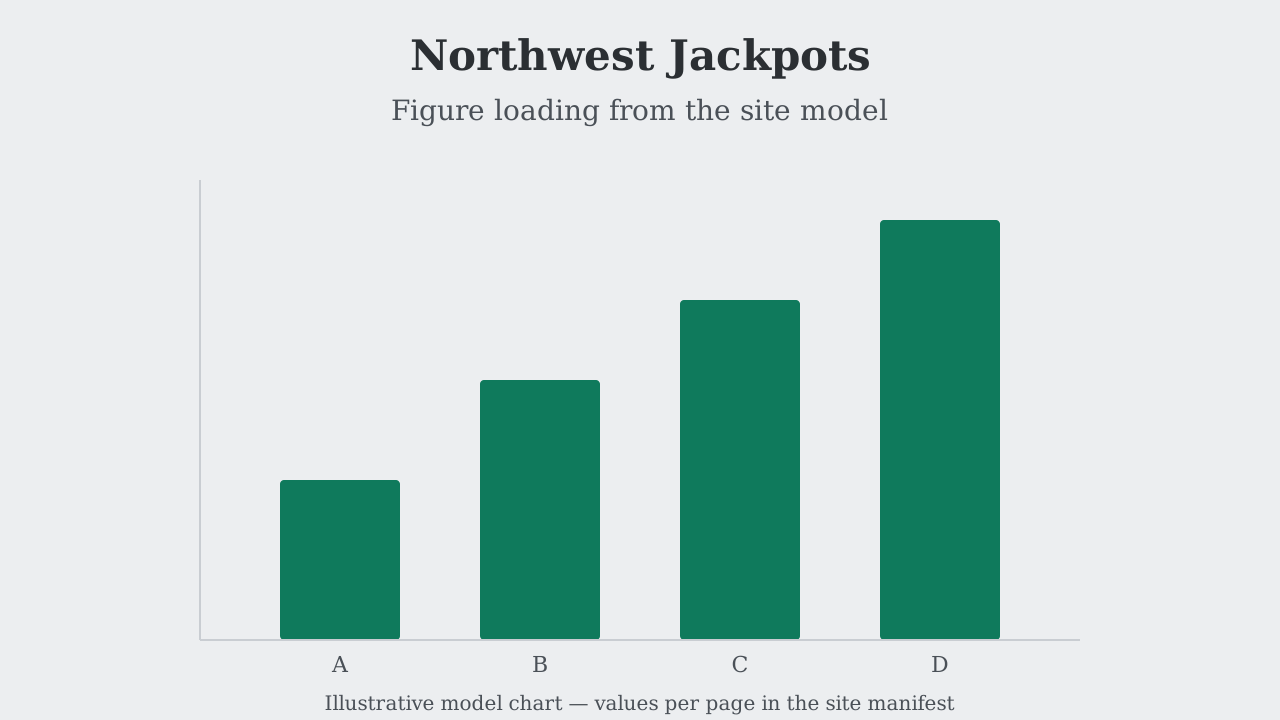
The chart above prices the three outcomes of a one pound deposit on the assumptions used throughout this page. Credit alone is worth the pound deposited. A small spin bundle roughly doubles the play value. A full match, where one is granted, takes the total to about two pounds fifty of combined play. None of those figures approaches a typical withdrawal floor, which is the point: at this tier the value is in the play, not the payout, and anyone depositing a pound with a withdrawal in mind has mismatched the product to the goal.
Rail choice still matters, for two reasons. First, the minimum deposit itself varies by method, so the rail you pick at the cashier determines whether the one pound deposit is accepted at all. Voucher-based methods and pay-by-mobile arrangements tend to carry the lowest floors; card and e-wallet minimums sit higher. Second, withdrawals generally return by the rail used to deposit, and some rails cannot accept a return at all, which forces a bank transfer route and its own minimums. Choosing the rail with the withdrawal path in mind costs nothing at the deposit and saves friction at the cashout. It is the single most useful habit a small-stake player can build.
Verification is the third rail consideration. Identity checks are most commonly triggered at the first withdrawal rather than the first deposit, and they apply at every tier. A player who deposits a pound, wins a few pounds on spin winnings and requests a payout may still face document requests before the money moves. Uploading documents early, before any request, makes the first payout behave like a later one. The pages on fast verification casinos cover the document set in detail; the summary is that proof of identity and proof of address prepared in advance remove most of the delay.
Category comparison: where the floors sit
The table below compiles category-typical ranges across a spread of sites serving the British market and the offshore market alongside it. Every figure is a range, not a quote: these are the terms operators of each kind commonly publish, compiled from operator-published terms, and no row should be read as the stated promotion of the named site on the day you read this. Check the live terms before depositing. The ranges exist to show the shape of the market, and the UKGC rows are the British baseline shown for comparison.
| Brand | Licence label | Welcome offer range | Wagering | Minimum deposit | Payout window | Payment rails |
|---|---|---|---|---|---|---|
| Pub Casino | UKGC | Match credit to £50 range | Commonly 10–20x | £10 | 1–2 days | Debit card, bank transfer |
| All British Casino | UKGC | Match to £100 range | Commonly 20–35x | £10 | 1–2 days | Debit card, bank transfer |
| PlayOJO | UKGC | Spin bundle, no-wagering style | Often none on spins | £10 | 1–2 days | Debit card, PayPal, bank transfer |
| 32Red | UKGC | Match to £150 range | Commonly 20–40x | £10 | 1–3 days | Debit card, PayPal, bank transfer |
| Pink Casino | UKGC | Match or spin bundle to £100 range | Commonly 20–40x | £10 | 1–3 days | Debit card, PayPal, bank transfer |
| Magic Red | UKGC | Match package to £200 range | Commonly 35–40x | £10–£20 | 1–3 days | Debit card, Trustly, bank transfer |
| Mystake | Offshore | Multi-tier match to £1,000 range | Commonly 30–40x | £20 | 0–2 days | Debit card, e-wallets, crypto, bank transfer |
| Goldenbet | Offshore | Match package with recurring reloads | Commonly 35–45x | £20 | 0–2 days | Debit card, e-wallets, crypto |
| Rolletto | Offshore | Multi-tier match to £2,000 range | Commonly 40–50x | £20 | 0–2 days | Debit card, e-wallets, crypto |
| Donbet | Offshore | Match package with free spins | Commonly 35–45x | £20 | 0–2 days | Debit card, e-wallets, crypto |
| Kinghills | Offshore | Multi-tier match with spins | Commonly 35–50x | £20 | 0–2 days | Debit card, e-wallets, crypto |
| NineWin | Offshore | Match package with spins | Commonly 35–50x | £20 | 0–2 days | Debit card, e-wallets, crypto |
Read the table against the subject of this page and one gap stands out immediately: none of the rows shows a £1 minimum. That is not an oversight. The one pound floor is rare across both halves of the market, and sites that advertise it usually reach it through a single rail, most often a pay-by-mobile or voucher method, while card and e-wallet minimums sit at £5, £10 or £20. Players specifically hunting the smallest floor should expect to trade convenience for it, because the lowest-limit rails are also the ones with the fewest withdrawal options.
The two halves of the table tell their usual stories. The UKGC rows show modest offers, lighter or clearly stated wagering, £10 floors and payout windows measured in days under published processing commitments. The offshore rows show far larger headline matches, heavier wagering, £20 floors and faster rails with thinner recourse. At the one pound tier the offshore larger matches are irrelevant, since a £20 minimum deposit excludes the tier entirely. That is a practical point worth stating plainly: the reader looking to play on single pounds is, in practice, mostly shopping in the British-licensed half of the table or at a narrow set of low-floor sites in between.
The licence trade-off at the lowest tier
At the smallest deposit tier the trade-off takes on a particular shape. A player depositing a pound is not protecting a large balance, so the fund-segregation argument weighs lightly at this level. But the self-exclusion argument does not scale down. A reader who has registered with GamStop should understand that any offshore deposit, however small, sits outside the scheme they joined, because the scheme covers Gambling Commission licensees only. A one pound deposit does not dilute that fact; it simply lowers its price. Anyone using self-exclusion as a serious tool should treat the offshore market as fully outside it, at every tier, before the question arises.
The disputes argument scales oddly as well. Small stakes generate small disputes, but the process cost of a dispute is the same whether £3 or £3,000 is at issue. Under a British licence, that cost is carried by a documented route through the operator to independent adjudication, free at the point of use. Offshore, the cost falls on the player in time and uncertainty, and at a £3 balance most players will simply walk away rather than pursue it, which is exactly why operators face no practical pressure at this tier. The protection matters less because the amounts are small. Whether that matters to you is the weighing only you can do.
One tier-specific note completes the picture. Safer-gambling tools, deposit limits and reality checks are licence conditions for British operators, and they function at one pound exactly as they function at a thousand. A player using low deposits as a spending-control strategy is well served by the licensed market, where a £1 limit set in the account genuinely binds. Offshore sites set their own policies, and a control that depends on the operator’s goodwill is not the same kind of control. For readers whose whole interest in the smallest tier is budget discipline, the licensed market is the natural home.
Terms to check before you deposit a pound
The terms that matter at this tier are the same six clauses that govern every offer, but two of them bite differently at one pound, and this closing section marks the differences. Run the list against any offer before depositing; it takes a few minutes and it converts the promotions page from marketing into a price list.
First, the qualifying deposit for the bonus. This is the decisive clause at the smallest tier, because it answers the only question that matters: does a £1 deposit trigger any promotion at all? Most commonly it does not, and the headline offer printed above the cashier applies from £10 or £20. Read the threshold before assuming, and note that thresholds can differ by rail, with some payment methods excluded from bonus qualification entirely.
Second, the minimum withdrawal. This is the clause unique in its importance to small-stake players. A £10 floor on payouts means any balance below that figure must wait for further deposits, and a player who never adds them simply abandons small amounts. Third, the wagering base. “40x bonus” and “40x deposit plus bonus” differ by a factor of two; at one pound that is £40 versus £80 of staking, and the second figure turns the promotion into a poor purchase at any scale. Fourth, the maximum bet during wagering, commonly around £5 but worth reading, since a breach can void winnings retroactively and at this tier the void wipes out everything won. Fifth, the winnings cap, which at the smallest tier is usually set in proportion to the deposit and renders the best case modest. Sixth, the time limit, typically seven to thirty days, though at one pound the likelier outcome is that the balance is spent long before any deadline arrives.
A final word on choosing among the low tiers. The one pound floor suits testing and strict budgeting; the three pound and five pound tiers, covered on their own pages in this family, unlock more offers and often reach spin-bundle territory; the £10 tier is where most full welcome offers begin. Pick the tier for the job rather than the job for the tier, run the six clauses against whatever you find there, and the smallest deposit in the market becomes what it should be: a cheap, deliberate, well-understood purchase.
Frequently asked questions
Can I actually deposit just £1 at UK casinos?
Some sites accept a one pound deposit, usually through a narrow set of rails such as pay-by-mobile or voucher methods, while card and e-wallet minimums sit at £5 to £10 or above. The published site minimum is the lowest across its methods, not a rule for every method, so check the cashier page for the specific rail you plan to use.
Do one pound deposits qualify for welcome bonuses?
Usually not. Most welcome offers print a minimum qualifying deposit of £10 or £20, and deposits below the threshold receive no match credit or spin bundle. A handful of promotions are built for low deposits, typically small spin bundles, but the standard headline offer almost always starts higher.
What is the point of depositing a pound if there is no bonus?
Three things: it tests the site cheaply before a larger commitment, it buys a short session of play at a known cost, and it keeps the pound withdrawable since deposited cash without bonus credit carries no wagering requirement. For budget-conscious players, depositing without a bonus is often the better structure.
Are winnings from a £1 deposit withdrawable?
In principle yes, subject to two practical limits: most operators set a minimum withdrawal, commonly around £10 to £20, and any bonus taken at the deposit carries wagering before winnings convert. A small win on deposited cash with no bonus can be withdrawn once the balance clears the site’s payout floor.
Which payment methods work at a £1 minimum?
Pay-by-mobile and voucher-based methods most commonly carry the lowest floors, with some e-wallets and cards close behind. Availability varies by operator and changes without notice, and some methods cannot receive withdrawals, which forces a bank transfer route with its own minimums.
Do offshore casinos accept £1 deposits?
Most offshore-facing operators print minimum deposits around the equivalent of £10 to £20, so the one pound tier is rare there. Sites that do accept it do so as a matter of their own policy, and players should weigh the licence trade-off described on this page, including the fact that GamStop does not cover offshore operators.
How much wagering attaches to a £1 bonus?
On the assumptions used on this page, a 100% match on one pound at a typical forty-times multiplier means £40 of staking. If the requirement applies to deposit plus bonus, it becomes £80. Some offers at this tier carry lighter multipliers, and some carry none, so the terms page decides.
Is a £1 deposit a good way to control spending?
It can be, particularly at licensed British sites where deposit limits, reality checks and self-exclusion are licence conditions and function at any stake level. Setting a low deposit limit in the account is a stronger control than relying on small deposits alone, and the two together suit players treating gambling strictly as entertainment.
Will identity checks apply to small deposits?
Yes. Verification is most commonly triggered at the first withdrawal rather than the first deposit, and the balance size does not exempt you. Preparing proof of identity and address before requesting a payout removes most of the delay.